Study Links Diet Quality and Functional Ability to Cardiometabolic Risk in Disabled Adults
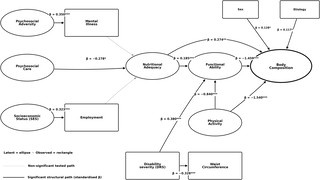
A recent study published in PLOS One investigates the pathways linking diet quality, functional ability, and cardiometabolic risk among adults with disabilities. This cross-sectional study involved 123 participants from Palestine, with a mean age of 31.9 years. The research aimed to clarify how nutrition and functional ability interact to influence cardiometabolic health, an area that has not been sufficiently defined in existing literature.
The findings reveal that a significant proportion of participants exhibited indicators of cardiometabolic risk, with 58.5% classified as overweight or obese and 51.2% showing inadequate dietary intake. The study utilized structural equation modeling to analyze the relationships between various factors, including disability severity, nutritional adequacy, and functional ability. Notably, the results indicate that nutritional adequacy positively predicted both body composition and functional ability, suggesting that better diet quality is associated with improved health outcomes.
Moreover, the study found that disability severity correlated with reduced muscle mass and poorer diet quality. Functional ability and physical activity were inversely related to adiposity, while sedentary behavior moderated the relationship between diet quality and waist circumference. Interestingly, mental health issues were found to specifically impair diet quality without affecting caloric intake. Urban living conditions and lower educational attainment were also linked to poorer dietary outcomes.
The model developed in this research explained a substantial portion of the variance in body composition (63.7%) and functional ability (94.4%). These findings underscore the importance of addressing multiple interrelated factors when considering cardiometabolic risk in adults with disabilities. The authors suggest that interventions should focus on enhancing nutritional adequacy, fostering functional independence, and addressing mental health challenges, as well as reducing environmental barriers to healthy eating.
This study contributes to the understanding of how complex interactions between diet, functional capacity, and psychosocial elements shape health outcomes in this vulnerable population. It highlights the need for comprehensive strategies that consider both nutritional and functional aspects to mitigate cardiometabolic risks among adults with disabilities.