Study Links Nutritional Risk to Immune Response in Community-Acquired Pneumonia Patients
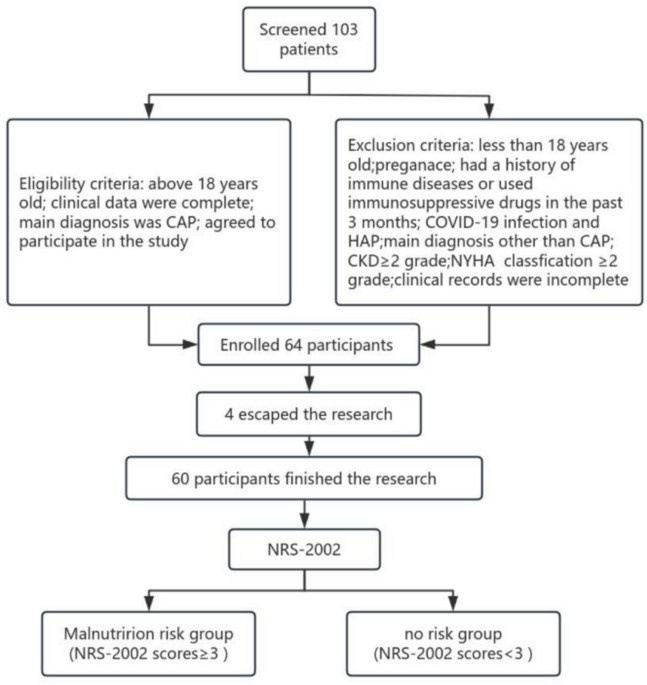
A recent study aimed to explore the relationship between nutritional status, T cell-mediated immunosuppression, and the prognosis of patients diagnosed with community-acquired pneumonia (CAP). The study involved 60 participants whose medical records were reviewed, and blood samples were analyzed to assess the expression of PD-1 and CTLA-4 across various T-cell subsets. The findings revealed no significant association between PD-1/CTLA-4 expression and severe CAP (SCAP) or 28-day mortality. However, higher levels of PD-1 and CTLA-4 on CD4+ T cells were linked to increased Pneumonia Severity Index (PSI) scores. Notably, patients identified as being at risk of malnutrition, indicated by a Nutritional Risk Screening (NRS-2002) score of 3 or higher, exhibited a greater proportion of SCAP and longer hospital stays compared to those without nutritional risk. Furthermore, the malnutrition risk group showed elevated expression levels of PD-1 and CTLA-4, suggesting that nutritional status may influence the development of immunosuppression through these pathways. Nutritional status is crucial for overall health, particularly among individuals with comorbidities or advanced age, and is closely tied to disease prognosis and mortality rates. In Asia, malnutrition risk among the elderly population can reach up to 73%. The increasing rates of hospitalization and mortality associated with CAP have raised concerns, especially in the post-COVID-19 era, with some studies reporting in-hospital mortality rates as high as 40%. Malnutrition can impair immune function, leading to reduced antibody production and increased infection risk. The NRS-2002 is a validated tool used to assess nutritional status, categorizing patients into malnutrition risk and no-risk groups. This study followed established clinical guidelines for defining and assessing CAP, and it was conducted with ethical approval and informed consent from participants. The research highlights the critical role of nutritional status in immune competence and suggests that addressing malnutrition may improve outcomes for patients with CAP. The study's findings underscore the importance of further research into the interplay between nutritional status and immune response in infectious diseases, particularly given the high stakes involved in managing conditions like CAP.