Research Links Grip Strength to Longevity and Mortality Risk

Recent research suggests that grip strength may be a more telling indicator of future health than traditional measures such as blood pressure. A series of studies, including a significant analysis from the UK Biobank involving over half a million adults and a recent study from the University at Buffalo, highlight grip strength's potential as a low-cost predictor of mortality. Researchers at the University at Buffalo tracked over 5,000 women aged 63 to 99 for nearly a decade, finding that each 7 kg (15 pound) increase in grip strength correlated with a 12 percent reduction in overall mortality risk. Additionally, faster completion times on a five-repetition sit-to-stand test were associated with a further 4 percent decrease in death risk. These findings remained significant even after adjusting for factors such as physical activity, heart health, and body inflammation. Notably, women who did not meet standard weekly cardiovascular exercise guidelines still exhibited increased longevity when they maintained strong muscles.
This research builds on a decade of evidence linking grip strength to various health outcomes. The UK Biobank study found that lower grip strength was strongly associated with cardiovascular disease, respiratory disease, several types of cancer, and all-cause mortality. A 2015 study published in The Lancet reported that each 5-kilogram decrease in grip strength increased the risk of all-cause mortality by 16 percent.
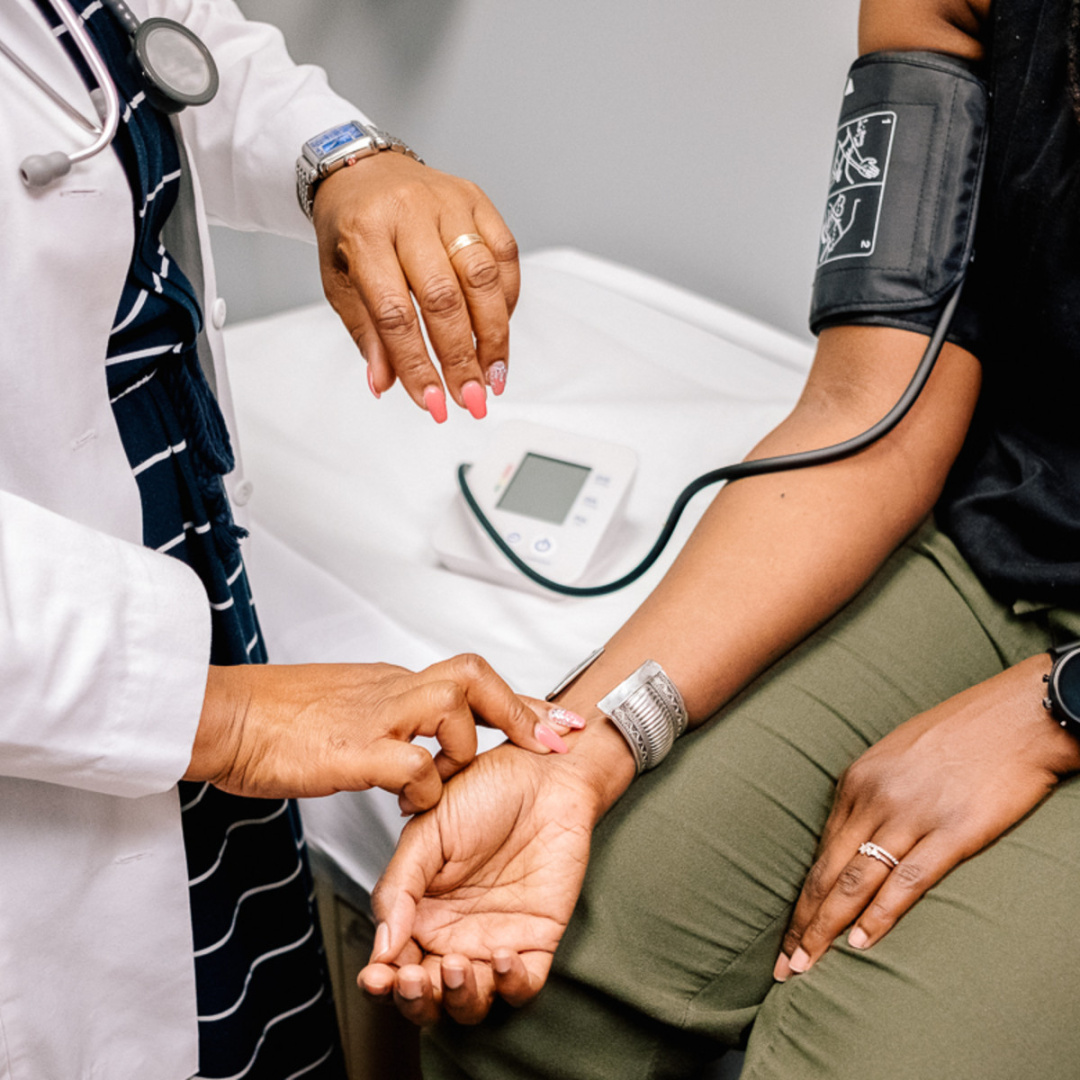
Three primary factors are driving the growing interest in grip strength as a clinical measure. First, the measurement is inexpensive and easy to reproduce. The UK Biobank authors noted that grip strength is simpler to assess than other physical measures, such as cardiorespiratory fitness, making it a practical tool for clinical practice. Their data indicated that grip strength was a more reliable predictor of all-cause and cardiovascular mortality than systolic blood pressure.
Second, the biological significance of grip strength is becoming clearer. A 2022 study in the Journal of Cachexia, Sarcopenia and Muscle found that individuals with weaker grip strength exhibited accelerated biological aging, as indicated by DNA methylation markers. This suggests that grip strength may reflect underlying biological processes more accurately than chronological age alone.
Lastly, demographic trends are emphasizing the need for effective mortality and functional screenings. According to Michael LaMonte, lead author of the Buffalo study, women aged 80 and older represent the fastest-growing age group in the U.S., necessitating accessible and effective health assessments that do not rely on complex equipment.
While grip strength is unlikely to replace traditional measures like blood pressure or cholesterol screening, the evidence supporting its clinical relevance is substantial. As a result, several shifts in healthcare practices are anticipated. Primary care providers may begin to incorporate grip strength assessments into routine check-ups, especially during Medicare Annual Wellness Visits. Additionally, the development of consumer-grade dynamometers for at-home strength testing is likely to emerge, allowing individuals to track their grip strength conveniently.
Public health messaging may also evolve to provide clearer guidelines on strength training for older adults, emphasizing that even simple resistance exercises using household items can be beneficial. LaMonte highlighted that building protective strength can be achieved through accessible means, such as using soup cans or books for resistance training.
In summary, grip strength is transitioning from an interesting correlation to a practical health metric. Monitoring and improving grip strength could play a crucial role in enhancing longevity and overall health, particularly among older adults. As LaMonte aptly stated, maintaining the ability to move independently is essential for health and well-being as we age.