Cyclospora Outbreak: Expert Insights on Symptoms, Transmission, and Prevention
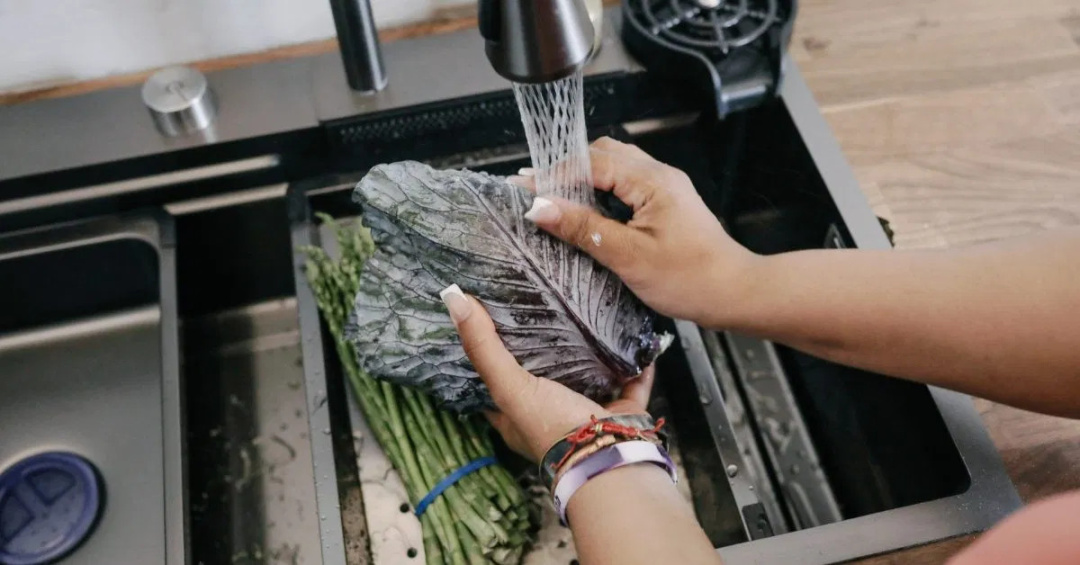
On May 13, 2026, the first case of illness caused by the parasite cyclospora was reported to the U.S. Centers for Disease Control and Prevention (CDC) and the U.S. Food and Drug Administration (FDA). By July 21, the CDC announced that it had received reports of 4,173 laboratory-confirmed cases of cyclosporiasis across 41 states, with Michigan and Ohio being particularly affected. The FDA traced one possible cause of the outbreak to iceberg lettuce supplied by Taylor Farms de Mexico to Taco Bell restaurants and Walmart stores, which led to a voluntary recall. However, subsequent testing revealed this to be a false positive, leaving the source of the outbreak uncertain. Medical experts stress the importance of understanding cyclospora, its transmission, and how to stay safe. Cyclospora cayetanensis is a microscopic parasite that infects the small intestine. It is transmitted through contaminated food or water, damaging the intestinal lining and leading to a condition known as cyclosporiasis. Symptoms typically manifest about a week after ingestion, with watery diarrhea being the most common sign. Experts warn that the diarrhea can be severe, leading to dehydration, particularly in vulnerable groups such as young children, older adults, and those with weakened immune systems. Treatment usually involves antibiotics, but early diagnosis can be challenging due to the similarity of symptoms with other gastrointestinal pathogens. Prevention focuses on food and water safety, emphasizing the need to wash fresh produce thoroughly and avoid potentially contaminated sources. This year's outbreak has been larger than usual, with South Florida historically being one of the hardest-hit areas. Experts recommend prioritizing produce that can be easily washed and suggest that cooking can reduce the risk of infection. Despite the outbreak, experts remind the public that fruits and vegetables are vital for a balanced diet and can be safely enjoyed with proper hygiene and cooking techniques.