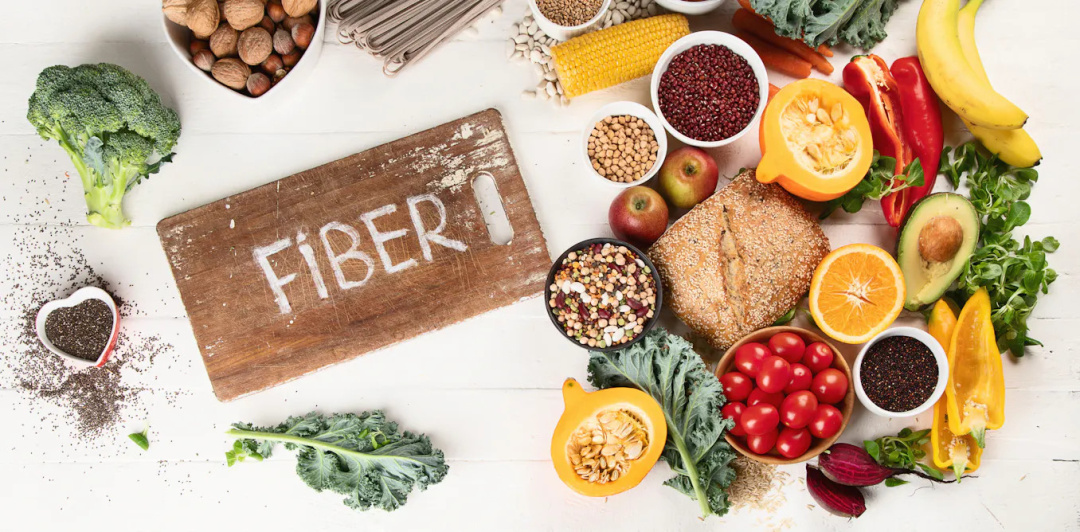
Addressing the Fiber Gap: Only 5% of Americans Meet Daily Recommendations
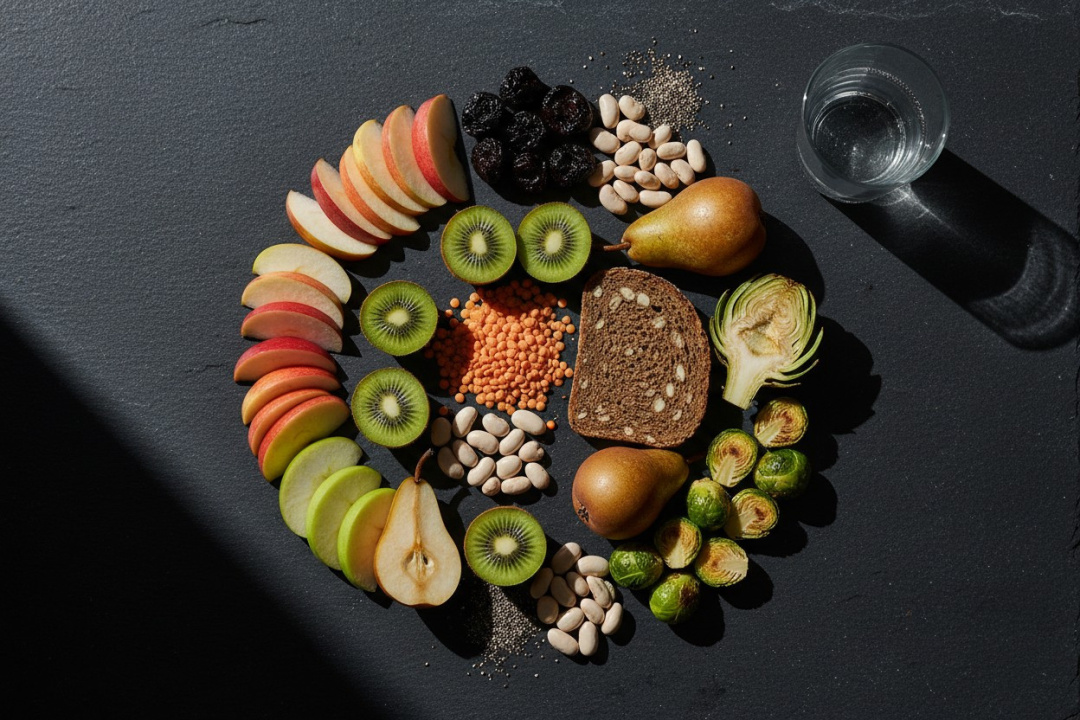
In January 2014, a Food & Fiber Summit convened in Washington, D.C., to address a significant public health issue: despite the known benefits of dietary fiber in reducing risks for heart disease, stroke, hypertension, obesity, type 2 diabetes, and certain cancers, only about 5% of Americans meet the daily recommendations set by the Institute of Medicine, which range from 19 to 38 grams depending on age and gender. The summit identified a key challenge: widespread confusion about fiber sources and the appropriate amounts to consume. However, solutions to this issue are straightforward and increasingly supported by research indicating that prebiotic fibers—specific types of fiber that nourish beneficial gut bacteria—may provide even greater health benefits than previously recognized.
Not all dietary fibers function the same way. Prebiotics, such as inulin, fructo-oligosaccharides, and galacto-oligosaccharides, are fibers that the human body cannot digest but serve as nourishment for healthy bacteria in the lower digestive tract. These compounds are naturally present in foods like dandelion greens, garlic, chicory root, onions, Jerusalem artichokes, bananas, whole oats, and apples. Evidence suggests that a daily intake of 3 to 5 grams of prebiotics can enhance gut health by promoting the growth of beneficial microorganisms, which support immune function, reduce inflammation, and even aid in calcium absorption for bone health.
This distinction between types of fiber is crucial, as many consumers mistakenly rely on packaged foods labeled as 'whole grain,' believing they are good sources of fiber. Research presented at the summit revealed that 85% of respondents expected products with 'whole grain ingredients' to be excellent fiber sources. However, an audit of the cereal aisle indicated that nearly one-third of cereals claiming to be whole grain were not adequate sources of fiber. This misunderstanding, coupled with the increasing popularity of gluten-free diets that often exclude fiber-rich grains, has intensified the national fiber deficit.
To help consumers bridge the fiber gap, summit attendees proposed three key strategies. First, nutrition communicators should provide clear, simple recommendations. For example, opting for a high-fiber cereal with fruit for breakfast, incorporating kidney beans into a salad for lunch, or enjoying broccoli as a side dish can help individuals reach their daily fiber goals without drastic lifestyle changes. Experts emphasized the importance of focusing on food and flavor rather than getting bogged down in technical details about nutrients. Practical suggestions, such as enjoying a freshly baked bran muffin or a vibrant salad, resonate more effectively than abstract discussions about grams of fiber.
Second, consumers should be encouraged to read Nutrition Facts panels to identify foods that contain at least 3 grams of fiber per serving, which qualifies as a 'good source.' This is particularly important for whole-grain products, as fiber content can vary significantly among different grains. For instance, hulled barley contains 17.3 grams of fiber per 100 grams, while brown rice offers only 3.4 grams. Third, it is essential to communicate the benefits of fiber beyond just digestive health. Many people associate fiber solely with alleviating constipation, but adequate fiber intake also aids in weight management by enhancing satiety, lowers cholesterol levels by reducing dietary fat absorption, and may decrease the risk of colorectal cancer through fermentation processes involving colonic bacteria.
The Dietary Guidelines for Americans have recognized fiber as a 'nutrient of concern' since 2005, yet average daily intake has only slightly increased from 15.1 grams in 2001-2002 to 16.2 grams in 2009-2010. This persistent gap carries significant economic implications. A 2014 analysis indicated that increasing dietary fiber intake by just 3 grams per day among half the adult population could save over $2 billion annually in healthcare costs associated with functional constipation alone. Achieving the full recommended intake of 25 grams per day could potentially save an estimated $12.7 billion each year. However, these figures likely underestimate the total savings, as sufficient fiber intake also mitigates costs related to diabetes, heart disease, and certain cancers.
The findings from the 2014 summit remain relevant today. While fiber supplements are available, whole foods are preferable as they provide a variety of fiber types along with essential vitamins, minerals, and antioxidants that supplements cannot replicate. Experts recommend gradually increasing fiber intake over several weeks while ensuring adequate hydration to allow the digestive system to adapt. Gas and bloating, often cited as barriers to increasing fiber consumption, are normal indicators of fermentation—a process that contributes to many of fiber's health benefits. Healthcare professionals, nutrition communicators, and food manufacturers all play a role in delivering consistent, food-first messages. For consumers, the path forward is clear: incorporate fruits and vegetables with their skins, select whole grains that provide at least 3 grams of fiber per serving, and include prebiotic-rich foods like garlic, onions, and bananas in daily meals. The health of the body's beneficial bacteria—and overall well-being—depends on it.