Japanese Researchers Develop Pumpkin Peel Film to Reduce Food Waste
According to the Food and Agriculture Organization of the United Nations, between 30% to 40% of total food production is lost or wasted, with a large portion of this loss occurring during early stages like storage and transport before reaching retail markets. This issue is particularly severe for root crops, fruits, and vegetables, where losses can reach 40-50%. While plastics are commonly used to protect food, they come with substantial environmental costs.
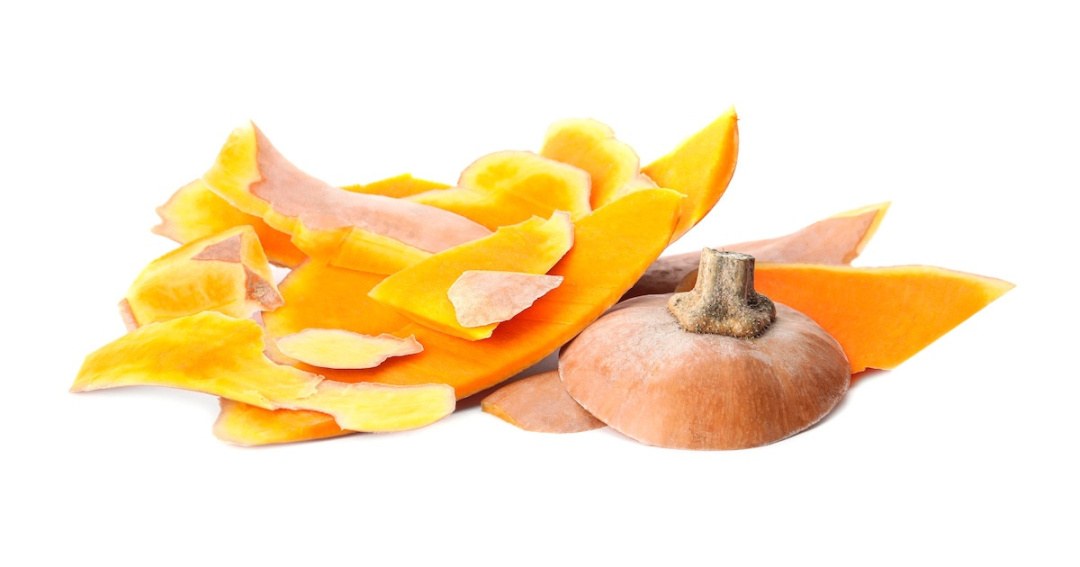
In response to this challenge, researchers at Kyushu University in Fukuoka, Japan, have developed an innovative solution for food preservation using a natural resource. The team has synthesized a nanomaterial for food packaging derived from pumpkin peel, which constitutes about 10% of the fruit's weight and is typically discarded. This new material has been shown to slow the deterioration of fruits and vegetables while also reducing damage during transport, as reported in the journal Food Research International.
Professor Fumihiko Tanaka, from Kyushu University’s Faculty of Agriculture, shared that their lab has long focused on extending the shelf life of agricultural produce while decreasing reliance on petroleum-based plastics. The project was inspired by a student from Southeast Asia, where cold-chain logistics are often underdeveloped. The researchers hope their technology, which preserves food at ambient temperatures, can be beneficial in regions lacking adequate infrastructure.
The pumpkin peel was subjected to high-pressure heating, followed by cooling and freeze-drying, resulting in carbon quantum dots (CQDs), a fine black powder with antimicrobial and UV-blocking properties. This was then combined with carboxymethyl cellulose and gelatin to create a composite film that is resistant to vibration and impact during transport, effectively preventing spoilage due to moisture loss.
Associate Professor Fumina Tanaka noted that conventional antimicrobial packaging often relies on metal nanoparticles like zinc oxide or silver, which have a larger environmental footprint compared to CQDs. The pumpkin peel-derived material exhibits good biocompatibility at effective concentrations, a crucial factor for any food contact material.
The researchers tested their pumpkin peel film with packaged cherry tomatoes, a highly perishable item, comparing it against both unpackaged and plastic-wrapped controls. The results indicated that the pumpkin peel-based film significantly suppressed microbial growth and reduced both weight loss and softening, thereby preserving freshness more effectively than the alternatives. This material can be utilized as a packaging film or sprayed directly onto produce, potentially minimizing excess packaging and costs.
Beyond its environmental advantages, the researchers hope this material could also add an element of fun to food packaging. The carbon dots fluoresce under UV light, with color changes depending on particle size. They envision a future where text or illustrations could be rendered using this innovative material, enhancing the packaging experience.