FDA Panel to Consider Compounding of Popular Peptides Amid Growing Consumer Demand
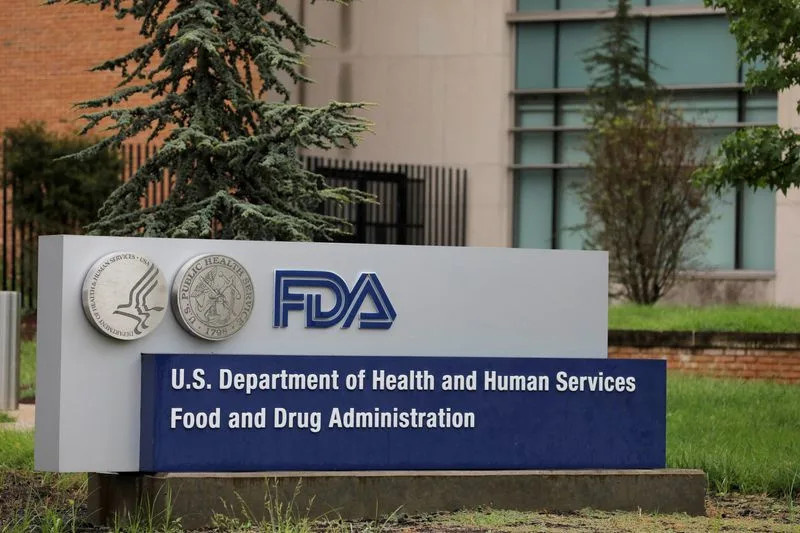
The U.S. FDA's Pharmacy Compounding Advisory Committee is scheduled to convene on July 23 and 24 to evaluate whether seven popular peptides should be included in the agency's 503A Bulks List. This decision would allow state-licensed compounding pharmacies to prepare these substances for patients with prescriptions. The peptides under consideration include BPC-157, TB-500, and Semax, which have gained popularity among fitness enthusiasts and biohackers. Proponents claim these peptides can aid in recovery, enhance performance, and address various health conditions. However, FDA staff reviewers have previously indicated that there is insufficient evidence supporting the safety and effectiveness of these peptides for their intended uses, citing a lack of adequate human clinical trials. This raises significant concerns, particularly in light of public endorsements from figures such as Health Secretary Robert F. Kennedy Jr., who has claimed personal benefits from peptide use. Kennedy argues that stringent regulations have pushed consumers toward an unregulated gray market for these compounds. Despite the FDA's crackdown on compounded peptides earlier this year, which limited access through licensed pharmacies, consumer demand remains strong. Online communities, particularly on platforms like Reddit, have become active forums for users to share experiences and discuss the latest research on peptides. Carrie Carda, national medical director at 10X Health, notes that peptides have become a household name, with public interest unlikely to wane. The FDA's meeting will also consider the implications of allowing these peptides to be compounded, as several committee members have ties to businesses involved in peptide therapies, raising potential conflicts of interest. Experts argue that the wellness sector is largely consumer-driven, lacking the clinical oversight typical of pharmaceutical development. Many peptides are naturally occurring compounds that do not have the patent protections necessary to justify extensive clinical trials. The FDA has expressed concerns regarding the immunogenicity of these peptides and the limited data available on their quality, stability, and consistency. Advocates for expanded access argue that a regulated system would allow for better oversight, ensuring that patients can verify the origin and quality of the peptides they receive. The Alliance for Pharmacy Compounding has urged the FDA to implement targeted safeguards rather than impose outright restrictions, emphasizing the need for accountability in the compounding process. Michael Hall, founder of Hall Longevity Clinic, has stated that the 503A pathway could provide a framework for accountability and realistic projections for peptide use. As the FDA panel prepares to meet, over 100 individuals are expected to rally outside the FDA campus in Maryland, advocating for expanded access to these popular peptides.