Wood Frogs Exhibit Remarkable Freeze Tolerance, Surviving Winter's Harshest Conditions
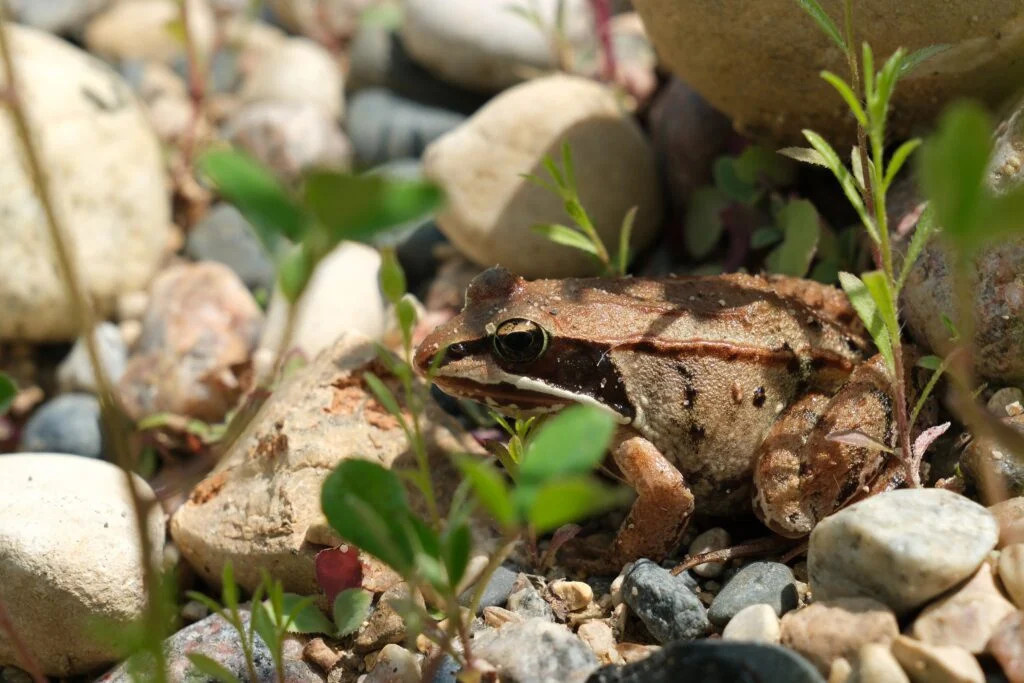
Wood frogs, scientifically known as Lithobates sylvaticus, exhibit an extraordinary ability to survive winter by entering a state where up to 70% of their body water freezes. During this frozen state, the frogs show no detectable heartbeat, breathing, or circulation, and their limbs become rigid, leading to the impression that they have succumbed to death. However, when temperatures rise, these frogs can thaw and resume normal behavior, effectively demonstrating a remarkable physiological adaptation to extreme cold.
The freezing process begins at the frog's permeable skin and progresses through the blood plasma and extracellular spaces, drawing liquid water out of cells. This careful management of ice formation is crucial; while ice forms around the organs, the frogs manage to keep enough water and protective solutes within their cells to prevent lethal cellular damage. This distinction between controlled freeze tolerance and cellular destruction is vital for their survival.
As the freezing process initiates, the cardiovascular system remains active long enough to distribute protective compounds throughout the body. Research indicates that the heart rate of a wood frog can nearly double shortly after freezing begins, allowing for the circulation of glucose, which is critical for their survival. This glucose is derived from the rapid breakdown of liver glycogen, which floods the blood and tissues with sugar, providing energy and protection against ice formation.
Interestingly, glucose serves not as an antifreeze in the traditional sense but rather reduces the amount of ice that forms and helps stabilize cellular structures under stress. Alongside glucose, urea accumulates in the frogs' bodies as they prepare for winter, further aiding their survival by altering water movement and protecting cellular integrity.
Field studies have shown that wood frogs can endure temperatures as low as minus 16 degrees Celsius, significantly below the lethal limits for their southern counterparts. This adaptation is not uniform across all populations; northern frogs tend to carry more glycogen and urea, enhancing their freeze tolerance.
The physiological cost of this freeze tolerance becomes apparent upon thawing. Frogs that have been frozen for extended periods may exhibit reduced endurance levels, indicating that while they can recover quickly enough to breed and feed, they do not emerge from the experience unscathed. Their recovery is a complex process involving the gradual restoration of heart function and circulation, which aids in reestablishing oxygen flow and metabolite distribution.
The implications of this research extend beyond the survival of wood frogs. Understanding their unique adaptations could inform cryobiology and organ preservation techniques, although it is important to note that the mechanisms evolved in wood frogs are not directly applicable to human biology. Nevertheless, the ability of these frogs to endure and recover from freezing highlights the intricate balance of physiological processes that can be harnessed for scientific advancement in metabolic health and organ preservation.