Cocoa By-Products May Reduce Chikungunya Virus Replication and Oxidative Stress
Recent studies have highlighted a significant correlation between oxidative stress and the replication of the Chikungunya virus (CHIKV), suggesting that understanding these biochemical interactions could lead to the development of novel antiviral therapies. Cocoa (Theobroma cacao L.) by-products, known for their potent antiviral and antioxidant properties, may offer promising therapeutic alternatives. A recent investigation aimed to evaluate the effectiveness of cocoa pod husk (CPH) and cocoa bean shell (CBS) extracts in suppressing viral replication and oxidative stress in an in vitro model of CHIKV infection.
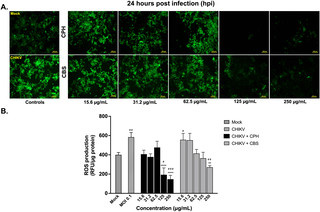
In this study, the viability of Huh-7 cells treated with various concentrations of the extracts (ranging from 15.6 to 250 µg/mL) was assessed using the resazurin reduction assay. The antiviral activity of the extracts was determined through RT-qPCR and plaque assays, while the reduction of oxidative stress in infected cells was measured using the dichloro-dihydro-fluorescein diacetate (DCFH-DA) assay at 12 and 24 hours post-infection. The results indicated that both CPH and CBS extracts exhibited minimal cytotoxicity in Huh-7 cells and demonstrated significant antiviral and antioxidant properties at concentrations above 62.5 µg/mL, particularly at 12 hours post-infection. This was evidenced by a notable reduction in viral RNA copies and infectious virus particles, alongside decreased levels of reactive oxygen species (ROS) in CHIKV-infected cells.
The findings suggest that cocoa extracts can effectively reduce oxidative stress induced by CHIKV in Huh-7 cells while also exhibiting antiviral properties. This dual action highlights their potential role in modulating both oxidative stress and viral replication, warranting further studies to elucidate the underlying mechanisms of these extracts. Given the public health implications of Chikungunya fever, which is characterized by severe symptoms and long-term chronic conditions, the exploration of natural products like cocoa as alternative therapeutic options is timely and relevant.
Chikungunya fever, transmitted by Aedes mosquitoes, has seen a rise in cases globally, with significant health impacts. Current clinical management primarily focuses on symptomatic relief, underscoring the urgent need for effective antiviral strategies. The exploration of cocoa-derived compounds, which have shown promise in enhancing cellular antioxidant defenses and mitigating oxidative damage, provides a strong rationale for their investigation as potential modulators of CHIKV-induced pathogenic mechanisms.
This study not only contributes to the understanding of the antiviral potential of cocoa by-products but also opens avenues for future research aimed at developing effective treatments for viral infections linked to oxidative stress.














