Study Investigates Role of LNC297 in Bovine Skeletal Muscle Differentiation During Ketosis
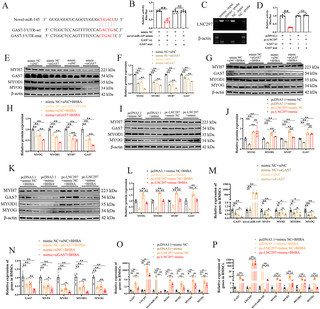
Recent research published in PLoS One investigates the impact of β-hydroxybutyrate (BHBA) on the differentiation of bovine skeletal muscle satellite cells (BMSCs) and the regulatory roles of long non-coding RNA LNC297, microRNA miR-145, and gene GAS7. Ketosis in dairy cows is marked by elevated levels of BHBA, which can significantly alter energy metabolism in skeletal muscle. The study found that BHBA inhibits the differentiation of BMSCs in a dose-dependent manner, posing challenges for muscle development during ketosis.
The research team conducted dual-luciferase reporter gene assays and miRNA pull-down experiments to confirm the interactions between LNC297, miR-145, and GAS7. They discovered that LNC297 and GAS7 promote BMSC differentiation and can counteract the inhibitory effects of BHBA. Conversely, miR-145 was found to inhibit BMSC differentiation and amplify the negative impact of BHBA. Mechanistically, LNC297 functions as a competing endogenous RNA (ceRNA) that sequesters miR-145, leading to increased expression of GAS7, which is crucial for muscle differentiation. This suggests that LNC297 could be a potential therapeutic target to mitigate muscle damage associated with ketosis in dairy cows.
The study highlights the complex interplay between metabolic states and muscle development, emphasizing the need for further research into the regulatory mechanisms that govern muscle differentiation in the context of ketosis. The findings could pave the way for new strategies to support the health and productivity of dairy cows during critical periods of energy imbalance, such as late pregnancy and early postpartum.
This research was supported by grants from the Sichuan Innovation Team of National Modern Agricultural Industry Technology System and the Sichuan key research and development project on innovative breeding materials. The ethical treatment of animals was ensured throughout the study, adhering to institutional guidelines for animal care and use.
Overall, this study contributes valuable insights into the molecular mechanisms underlying muscle development disorders in dairy cows and opens avenues for potential interventions to improve animal health during ketosis.














