Study Evaluates Inflammatory Markers for Predicting Peritonitis Risk in Dialysis Patients
Peritonitis is a serious complication associated with peritoneal dialysis (PD), which can lead to severe outcomes such as catheter removal and treatment failure. A recent multicenter cohort study aimed to evaluate the predictive value of inflammatory indices derived from routine complete blood count (CBC) parameters in assessing the risk of peritonitis in PD patients. The study included 2,036 patients from ten centers in China, analyzing various inflammatory markers including the pan-immune inflammatory value (PIV), systemic immune-inflammatory index (SII), platelet-to-lymphocyte ratio (PLR), neutrophil-to-lymphocyte ratio (NLR), monocyte-to-lymphocyte ratio (MLR), and platelet-to-monocyte ratio (PMR). The researchers sought to identify which of these indices could serve as the best predictor of PD-associated peritonitis (PDAP).
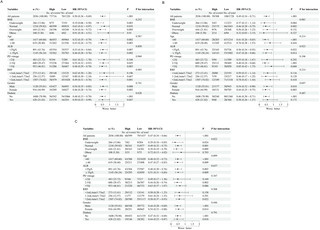
The study found that during the follow-up period, 147 patients, or 7.22%, developed peritonitis. Among the indices analyzed, PIV, SII, and PLR demonstrated significant nonlinear associations with peritonitis risk, with adjusted hazard ratios of 2.004 for PIV, 2.144 for SII, and 2.063 for PLR. The C-indices, which measure the predictive ability of these markers, were found to be 0.67 for PIV, and 0.70 for both SII and PLR, indicating moderate discriminative ability. The study also conducted subgroup analyses based on factors such as gender, age, body mass index (BMI), and diabetes, but no significant interactions were noted.
The findings suggest that elevated levels of PIV, SII, and PLR at the initiation of peritoneal dialysis can independently predict a higher risk of developing peritonitis. While the discriminative ability of these indices is moderate, they are routine and cost-effective measures that could aid in the risk stratification of patients, potentially leading to closer monitoring and preventive interventions. This study underscores the importance of early identification of high-risk patients in improving outcomes and reducing the burden associated with peritonitis in peritoneal dialysis.