Exploring the Link Between PCOS, Food Cravings, and Obesity: Insights from GLP-1 Research
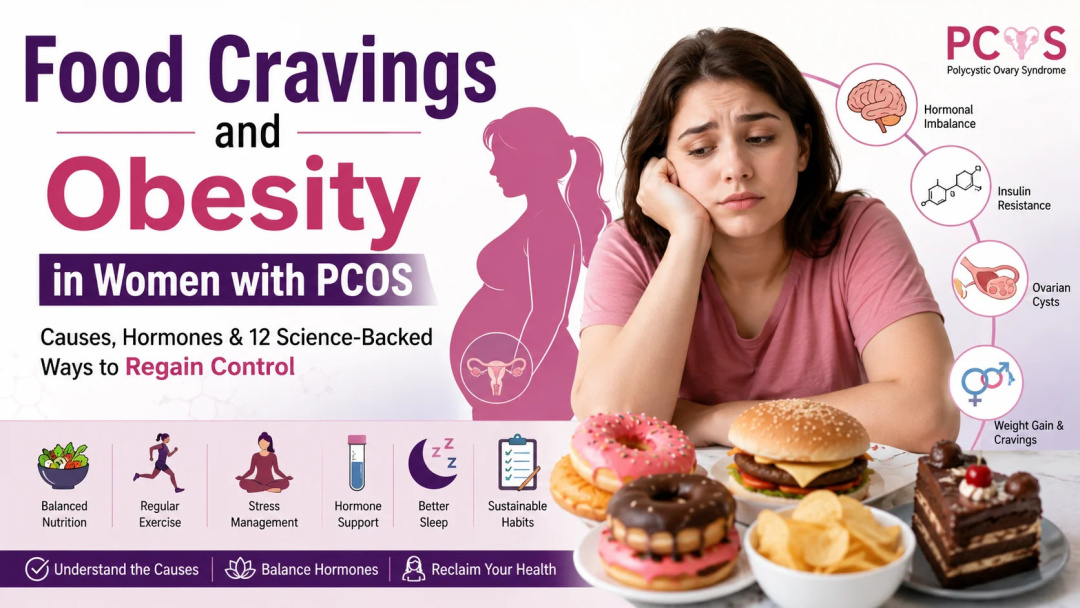
Polycystic Ovary Syndrome (PCOS) is recognized as the most prevalent endocrine disorder among reproductive-aged women, affecting an estimated 9% to 18% globally. This condition is not merely a gynecological issue; it fundamentally represents a complex metabolic disorder. Women diagnosed with PCOS face a significantly heightened risk of insulin resistance—5.46 times greater—along with a 4.35 times increased likelihood of developing type 2 diabetes and a 23.46 times higher risk of metabolic syndrome compared to their healthy counterparts. Alarmingly, about half of those with PCOS are classified as overweight or obese, a factor that not only exacerbates the symptoms of PCOS but can also act as a trigger for the condition itself.
At the heart of the metabolic challenges associated with PCOS lies insulin resistance. When cells become less responsive to insulin, the pancreas compensates by producing more insulin to maintain stable blood glucose levels. This elevated insulin level has a direct effect on the brain's appetite center, leading to increased hunger, particularly for high-carbohydrate and sugary foods. These food choices provide a quick spike in blood glucose, followed by a crash that perpetuates a cycle of cravings and weight gain. Research indicates that women with PCOS typically consume higher amounts of simple carbohydrates and saturated fats while having lower intake of fiber and essential micronutrients compared to healthy women. Furthermore, they exhibit a greater craving for high-fat foods and higher incidences of disordered eating behaviors.
The hypothalamus, which serves as the brain's command center for appetite regulation, is often disrupted in individuals with PCOS. Studies have identified at least four mechanisms that impair hypothalamic function, resulting in a failure to signal satiety effectively. Consequently, while the body may attempt to communicate that it is full, the brain does not receive this message. This hormonal imbalance, compounded by obesity, significantly elevates the risk of mental health issues such as depression and emotional eating, creating a vicious cycle that can be challenging to break.
Beyond metabolic implications, PCOS also has profound effects on mental health. The physical manifestations of the disorder, such as obesity, acne, and hirsutism, can lead to negative body image and low self-esteem, further fueling anxiety, depression, and eating disorders. A notable study involving 455 women with PCOS revealed that even those of normal weight exhibited significantly higher binge-eating scores than healthy women, indicating that PCOS itself increases the risk of eating disorders, independent of body weight.
Fortunately, there are effective strategies to reverse this cycle. Research supports four key approaches:
1. **Eat Smart, Not Less**: Focus on avoiding blood sugar spikes by replacing refined carbohydrates like white rice and pastries with whole grains such as oats and quinoa. Incorporating lean proteins and low-glycemic index foods can also be beneficial. A modest weight loss of 5% to 10% over three to six months can lead to significant improvements in PCOS symptoms.
2. **Exercise Regularly**: Physical activity is a powerful ally in improving insulin sensitivity and combating insulin resistance. Regular exercise is a cornerstone of effective PCOS management.
3. **Cognitive Behavioral Therapy (CBT)**: This therapeutic approach can help individuals identify triggers for food cravings and foster a healthier relationship with food, promoting a balanced approach rather than a restrictive mindset.
4. **Seek Medical Support**: For some individuals, medications such as GLP-1 analogs and naltrexone/bupropion may provide positive outcomes in managing cravings and aiding weight management. It is crucial to consult with a healthcare provider for personalized advice.
Women grappling with the challenges of PCOS-related cravings are not alone; scientific evidence underscores that these issues are not merely a matter of willpower. Instead, they require the right tools and strategies tailored to the unique hormonal landscape of PCOS. As research continues to evolve, many women are finding ways to rewrite their PCOS narratives, paving the way for healthier futures.