LED Lights Linked to Increased Diabetes Risk and Weight Gain Through Sleep Disruption
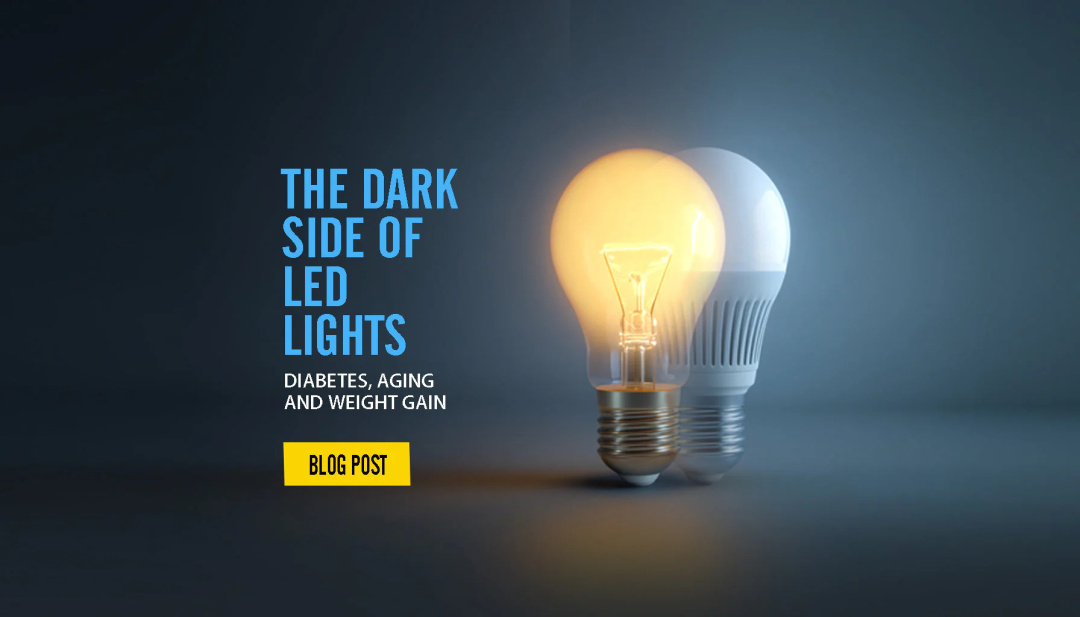
Concerns about the impact of LED lights on health have gained attention, particularly regarding their effects on sleep quality, diabetes risk, and weight gain. Dr. Glen Jeffrey has pointed out that while red light can enhance mitochondrial performance, blue light emitted by standard LED bulbs may have detrimental effects. Natural sunlight provides a balance of light wavelengths, but modern environments often expose individuals to excessive blue light, especially at night. This exposure has been linked to an increased risk of type 2 diabetes, as multiple peer-reviewed studies suggest that nighttime use of LED lights disrupts the body's circadian clock, which is crucial for metabolic regulation.
Research has shown that light at night (LAN) is a significant metabolic hazard. The biological mechanisms at play involve how the body interprets light as a chemical signal that influences various metabolic processes. Standard cool-white LED bulbs emit a high amount of blue light, which can interfere with sleep architecture by reducing deep sleep and REM sleep. This disruption is critical because deep sleep is when the body optimizes glucose tolerance and regulates cortisol levels. Furthermore, melatonin, a hormone that plays a vital role in sleep and metabolism, is suppressed by blue light exposure, which can lead to poor insulin control and elevated blood sugar levels.
Studies indicate that exposure to blue light at night keeps the body's autonomic nervous system in a heightened state of alertness, preventing the transition into a restful state. This elevated state can lead to increased cortisol production, which counteracts insulin and results in higher blood glucose levels. Additionally, LED lights can contribute to weight gain by altering metabolic functions. When the body is exposed to blue light in the evening, it can trigger insulin resistance, requiring more insulin to process the same amount of food, thereby promoting fat storage.
The potential for LED lights to influence aging is also noteworthy. While household LED bulbs are not as harmful as natural UV sunlight, the blue light emitted by screens and cool white LEDs can lead to oxidative stress, which may accelerate skin aging. This is due to the high-intensity blue light penetrating the skin and generating reactive oxygen species that damage cellular structures.
To mitigate the adverse effects of LED lighting, individuals can consider switching to full-spectrum incandescent bulbs or specialized LED lights that minimize blue light emission. These alternatives can help maintain circadian rhythms and support metabolic health. Brands that offer wellness-grade lighting options are emerging, focusing on minimizing the harmful blue light spike while providing a more balanced spectrum of light. By making informed choices about lighting, individuals can potentially improve their sleep quality and metabolic health, reducing the risks associated with LED exposure.