Black Bears' Hibernation Adaptations Offer Insights for Human Health and Space Missions
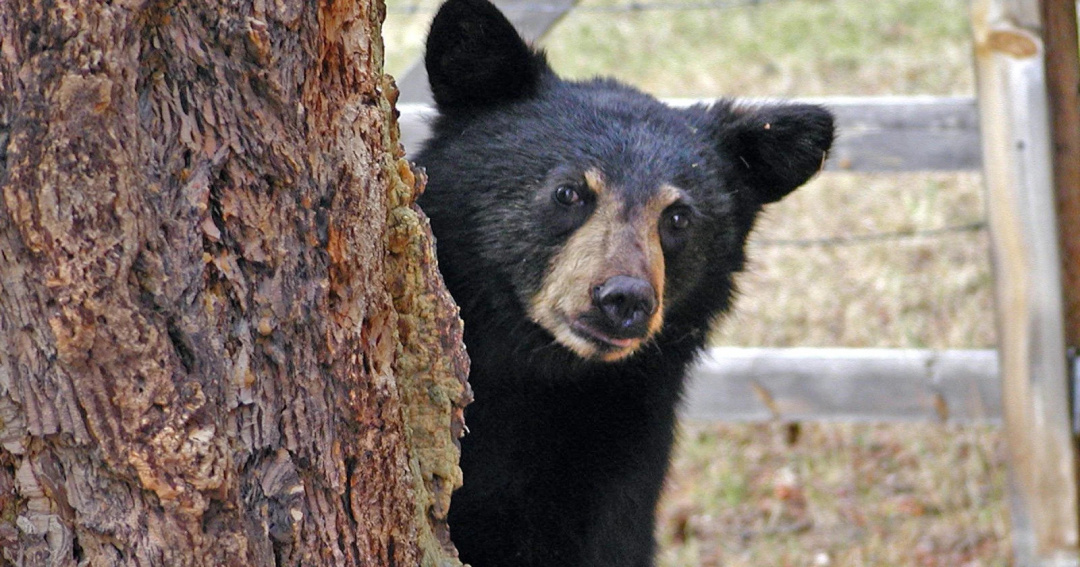
In summer, an American black bear’s heart beats around 55 times a minute, but during hibernation, it can fall to as few as nine beats per minute. This significant reduction in heart rate and metabolism was highlighted in a study led by Øivind Tøien at the University of Alaska Fairbanks, published in the journal Science on February 18, 2011. The study monitored five bears through a winter in dens equipped with telemetry, revealing that bears can reduce their metabolism to about 25 percent of normal while only allowing their core temperature to drop slightly, between 30 and 36 degrees Celsius. This ability to decouple metabolic rate from body temperature is unusual among mammals, as most only slow their metabolism when their body cools.
Upon emerging from hibernation, black bears retain much of their muscle and bone mass, a stark contrast to what would be expected in immobilized humans. Research by Henry Harlow and colleagues published in Nature in 2001 showed that bears lose only about 23 percent of their leg muscle strength over 130 days of hibernation, while humans would typically lose closer to 90 percent under similar conditions. Subsequent studies have confirmed that muscle mass and protein content remain largely intact in bears, indicating that this preservation is a consistent feature of their physiology.
On the bone front, a 2006 study by Seth Donahue’s group in the Journal of Experimental Biology found that while bone breakdown increases during hibernation, bone formation keeps pace and may even peak as bears emerge. This suggests that bears recycle calcium back into their skeletons rather than excreting it, a process that is not observed in inactive humans. Donahue's research points to a bear-specific form of parathyroid hormone as a potential mechanism, which could lead to advancements in osteoporosis treatments for humans.
The implications of these findings extend to space exploration. The European Space Agency (ESA) has identified black bears as a model for understanding how to induce a torpor-like state in astronauts on long missions to Mars. Reducing an astronaut's metabolic rate could significantly decrease the amount of food and supplies needed, which is crucial for long-duration space travel. ESA's studies suggest that mimicking the bear's metabolic suppression could enhance the feasibility of such missions.
While no humans have yet been placed in a torpor state, the research continues to evolve. ESA and NASA are exploring the potential for applying these biological insights to human health, particularly in intensive care settings. The near-term applications of this research may focus on medical advancements rather than space travel, with ongoing studies aimed at translating these bear-derived insights into practical treatments for muscle wasting and osteoporosis in humans. Until substantial progress is made in this area, the black bear remains a vital reference point for understanding metabolic health and preservation during periods of inactivity.