Topical Ointment Combines Natural Bioactives and Nanoparticles for Wound Healing
A recent study published in PLOS One has introduced a novel topical ointment that synergistically combines natural bioactives with therapeutic nanomaterials to enhance wound healing and management. The formulation includes Carica papaya fruit latex powder and Aloe barbadensis Miller gel, integrated into a base consisting of zinc oxide nanoparticles, cassava starch, and white petroleum jelly. This combination aims to leverage the biological properties of these ingredients to create a more effective wound care solution.
The study assessed the antioxidant potential of the components using the 2,2-diphenyl-1-picrylhydrazyl (DPPH) assay, revealing that the IC50 values for Carica papaya latex, Aloe gel, and zinc oxide nanoparticles were 454.54, 312.50, and 490.82 μg/mL, respectively. Notably, Carica papaya latex exhibited significant protease activity, which is crucial for the debridement process in wound healing, at 58.40 units/mg of solid.
The ointment base demonstrated a low blood clotting index of 3.57 ± 6.09%, indicating strong coagulation potential, while zinc oxide showed a higher index of 22.26 ± 1.09%, suggesting minimal clotting ability. The study also found that erythrocyte adsorption was highest in the ointment base, reinforcing its strong interaction with blood components, which is vital for effective wound healing.
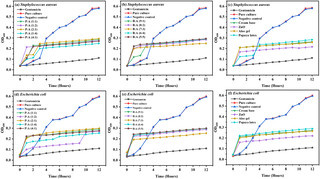
In terms of antibacterial properties, the ointment demonstrated significant activity against common pathogens such as Staphylococcus aureus and Escherichia coli, with a minimum bactericidal concentration/ minimum inhibitory concentration (MBC/MIC) ratio of less than 4, indicating a bactericidal effect. The time-kill curves illustrated a gradual reduction in bacterial survival, particularly with the formulation containing a higher proportion of Aloe vera.
The research emphasizes the importance of combining antimicrobial activity with regenerative support in wound care, addressing the limitations of traditional treatments that often focus solely on infection prevention. The incorporation of natural products like Carica papaya and Aloe vera, known for their biocompatibility and multifunctionality, presents a promising direction for developing advanced wound healing formulations.
While the study provides valuable insights into the formulation and its potential applications, further research, particularly in vivo studies, is necessary to fully evaluate the therapeutic efficacy of this ointment in clinical settings. This work highlights the growing interest in natural and multifunctional approaches to wound management, which could lead to improved healing outcomes and reduced complications in wound care.














