Study Reveals Tuna Evolution Gradually Followed Asteroid Impact, Not a Rapid Response
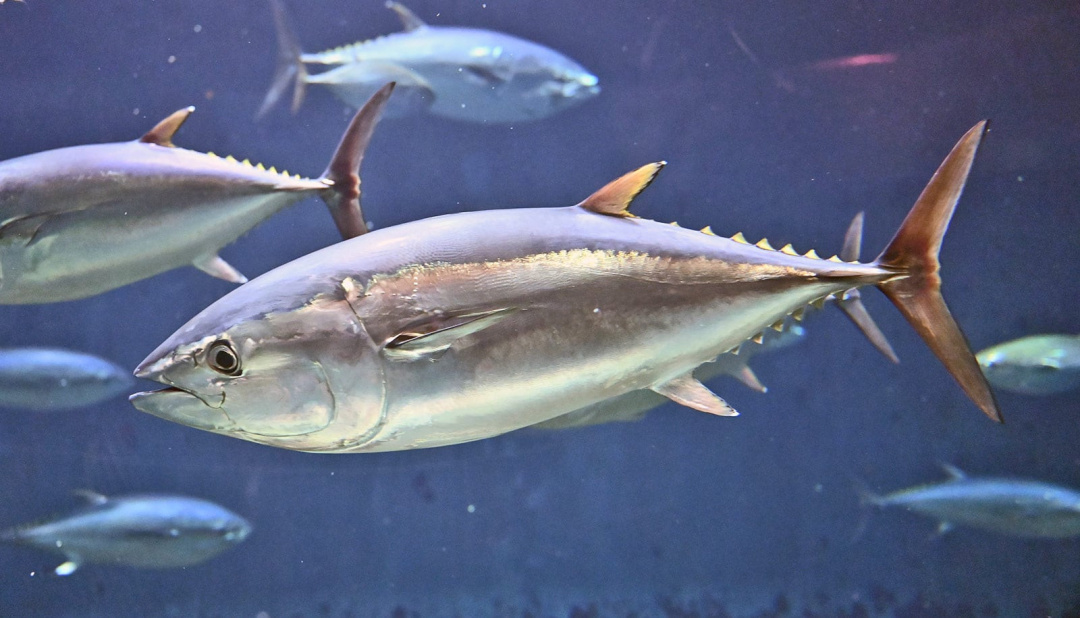
A new study from Yale University reveals that tunas, known for their size, speed, and warm-bloodedness, evolved these characteristics over a period of 50 million years, rather than in a rapid response to the mass extinction event caused by an asteroid strike 66 million years ago. This challenges the long-held notion that the extinction of non-avian dinosaurs and other large marine predators created an ecological niche that spurred the quick evolution of tunas and similar predators.
The research team, led by graduate student Chase Brownstein, combined genetic data with fossil specimens to construct a comprehensive time-calibrated evolutionary tree for the Scombridae family, which includes tunas and mackerels. Their findings indicate that while the origins of Scombridae coincided with the time of the asteroid strike, the evolution of large body sizes and the ability to regulate body temperature—known as endothermy—occurred much later.
Brownstein stated, "Our results demonstrate that the K-Pg extinction did not trigger the evolution of tunas and related large, endothermic predators. We show that the body plans of these predators evolved over tens of millions of years and that there is no connection between the origins of endothermy and large body sizes in these lineages." This study emphasizes the importance of careful interpretation when analyzing the evolution of species based on evolutionary trees.
The researchers found that different types of endothermy evolved independently within Scombridae lineages, with at least two instances occurring 10 to 15 million years after the asteroid impact. The study also revealed that increases in body size happened sporadically throughout the evolutionary history of tunas and related species.
The dataset used for this evolutionary analysis included tissue and DNA samples collected from various institutions, including the Yale Peabody Museum. Understanding the evolutionary biology of tunas is crucial not only for conservation efforts, especially as populations of commercially important species like the Atlantic bluefin tuna have drastically declined due to overfishing, but also for insights into human health.
Professor Thomas Near, the study's senior author, noted that the independent evolution of endothermy in tunas and mackerels could provide valuable information about metabolism and thermoregulation, which are relevant to health conditions such as obesity, diabetes, and metabolic syndrome. While there is no direct connection established, the study of biodiversity and its evolutionary adaptations can enhance our understanding of human health challenges.
The research was supported by the Yale Training Program in Genetics, the Bingham Oceanographic Fund of the Yale Peabody Museum, and the National Science Foundation. Coauthors of the study include researchers from Yale, Virginia Polytechnic Institute and State University, the Santa Barbara Museum of Natural History, the Natural History Museum of Los Angeles County, Purdue University, and the Marine Resources Institute at the South Carolina Department of Natural Resources.














