Machine Learning Framework Enhances Osteoporosis Detection in Resource-Limited Settings
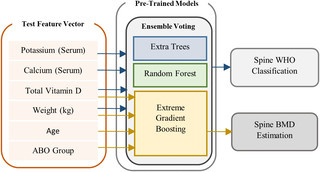
Osteoporosis, a significant global health issue, is characterized by a progressive loss of bone mineral density (BMD) and structural deterioration of bone, leading to an increased risk of fractures. Early detection is crucial, yet it remains a challenge due to the asymptomatic nature of the disease and the limitations of conventional diagnostic methods like Dual-Energy X-ray Absorptiometry (DXA). While DXA is the clinical standard for assessing BMD, its high costs and limited accessibility necessitate the exploration of alternative diagnostic methodologies. A recent study developed a machine learning model designed specifically for clinics in resource-constrained environments, utilizing only basic clinical markers such as ABO blood groups, serum calcium, and potassium levels. This innovative approach aims to facilitate early screening for osteoporosis in settings where advanced imaging techniques are not feasible. The study collected a dataset of 159 patient records from NORI and CDA Hospital, incorporating 17 input features that included demographics, clinical history, and laboratory test results. The machine learning framework achieved an impressive accuracy of 90% and an AU-ROC score of 0.93 in predicting osteoporosis severity, showcasing its potential as a reliable screening tool. Additionally, the model demonstrated an R2 of 0.536 for estimating lumbar spine BMD. This dual-task framework not only addresses the need for cost-effective diagnostic tools but also highlights the importance of leveraging machine learning to enhance osteoporosis detection and fracture risk assessment. The findings underscore the potential for integrating machine learning into routine clinical practice, particularly in underfunded healthcare settings where traditional diagnostic methods may be out of reach. The study's implications are significant, suggesting that with the right technological advancements, early intervention for osteoporosis could become more accessible, ultimately improving patient outcomes in populations at risk for this debilitating condition. The research was conducted ethically, with all patient data anonymized to protect confidentiality, and the authors encourage further exploration of machine learning applications in healthcare to address similar challenges.