Innovative Food Preservation Method Using Pumpkin Peel Shows Promise
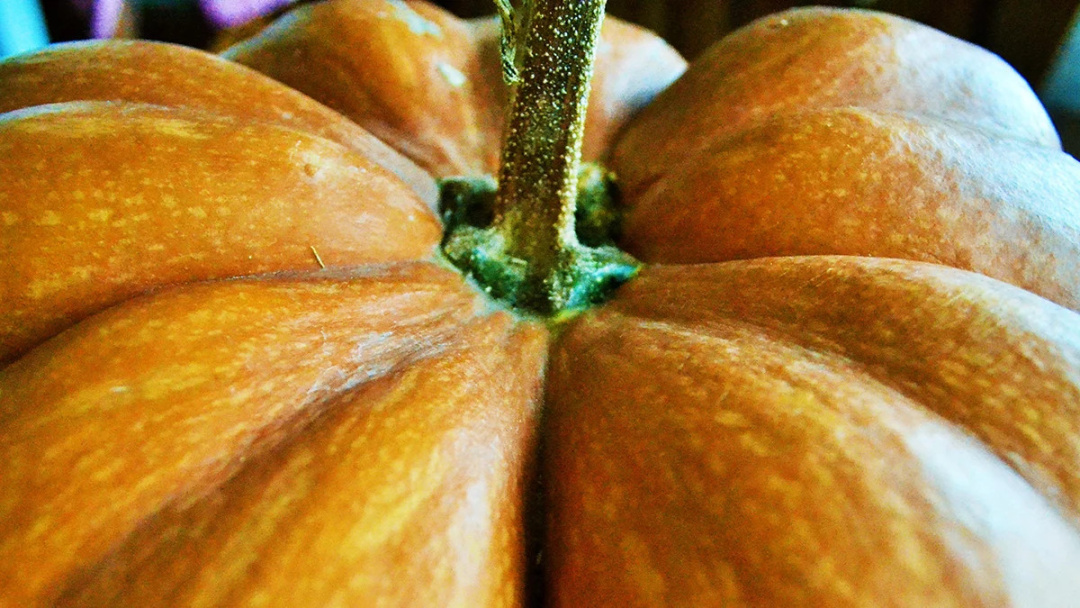
Researchers at Kyushu University in Japan have introduced a promising new method for food preservation that utilizes pumpkin peel, a byproduct often discarded. This innovative approach, detailed in their recent study published in Food Research International, aims to extend the shelf life of food while minimizing reliance on petroleum-based plastics, thereby addressing both food waste and environmental concerns.
The process begins with the preparation of pumpkin peel, which is subjected to high-pressure heating and subsequently freeze-dried to create carbon quantum dots (CQDs). These tiny particles have demonstrated beneficial properties for food packaging. When combined with plant fibers and gelatin, the resulting peel-based material was tested against traditional plastic packaging and no packaging at all, using cherry tomatoes as the test subject.
After a 20-day period, the findings revealed that the pumpkin peel material significantly outperformed the absence of packaging and showed superior results compared to standard plastic in blocking ultraviolet (UV) light, inhibiting microbial growth, and preserving antioxidant activity. However, conventional plastic was more effective in preventing moisture loss.
Safety was a primary concern for the researchers, who confirmed that the CQD material is non-toxic at concentrations below 2 mg/mL, with the coating applied being only about 0.01 millimeters thick. This minimal application further reduces potential exposure, as consumers can wash or peel the produce before consumption.
The versatility of this nanomaterial is noteworthy; it can be sprayed onto fruits and vegetables, allowing for targeted protection and further waste reduction. Given that pumpkin peel constitutes approximately 10-12 percent of the pumpkin's total mass, this method not only repurposes food waste but also contributes to sustainability efforts.
Traditional antimicrobial packaging often relies on metal nanoparticles, which have a larger environmental footprint compared to the organic CQDs used in this new material. The researchers emphasize the biocompatibility of their product, making it suitable for food contact.
Food waste remains a critical issue, with estimates suggesting that 40-50 percent of harvested fruits and vegetables do not reach consumers. Although the pumpkin peel packaging is still in the experimental stage and has only been tested on cherry tomatoes, the researchers are optimistic about future developments. They plan to explore incorporating additional natural agents into the packaging film to enhance its protective qualities against mold and other spoilage factors.
Additionally, the CQDs exhibit fluorescence under UV light, opening up potential applications for creative food packaging designs. As food scientist Fumina Tanaka notes, this innovative material could not only provide environmental benefits but also add an element of fun to food packaging, potentially allowing for the inclusion of text or illustrations that change color with particle size.
The research highlights a significant advancement in sustainable food preservation methods, paving the way for further exploration and potential commercialization in the future.