High-Water-Content Foods Enhance Hydration and Support Body Cooling, Experts Say
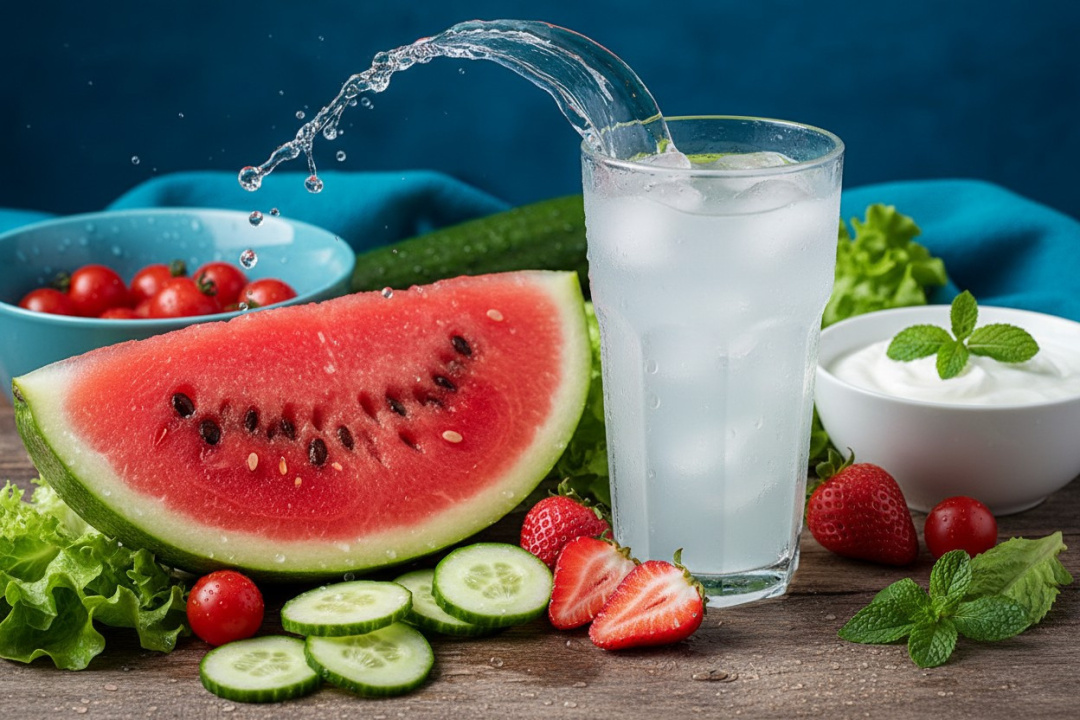
Nutrition experts have highlighted the significant role of high-water-content foods in supporting hydration and regulating body temperature, especially during warmer months. Watermelon, which is approximately 90 percent water, and cucumber, containing about 96 percent water, are among the top choices for enhancing fluid intake. According to Eliza Savage, a registered dietitian, cucumbers are particularly beneficial due to their low calorie count and natural diuretic properties, making them an excellent option for those looking to manage their weight. Strawberries, also around 90 percent water, provide additional benefits such as vitamin C, while lettuce and tomatoes, containing 94 percent and 95 percent water respectively, further contribute to hydration efforts.
A 2026 article titled "The hydration paradox: Why water isn't always enough" discusses how fruits and vegetables not only provide water but also a complex matrix of electrolytes, vitamins, and fiber that plain water lacks. This matrix can lead to more sustained hydration, as the nutrients in these foods slow absorption and improve cellular hydration compared to drinking water alone. Coconut water, which is about 95 percent water, is noted for its electrolyte content, including potassium and magnesium. Greek yogurt, approximately 81 percent water, offers protein and calcium, and can be particularly refreshing when served chilled. Broth, primarily composed of water, can also aid in hydration, even when consumed warm, with chilled broth soups serving as a refreshing alternative.
While plain water remains the most effective choice for hydration, these foods can significantly supplement fluid intake. A 2024 article on the medicinal properties of cucumbers points out their historical use in traditional medicine for cooling and hydration. Anthropologist Gina Bria has emphasized the necessity of consuming water in forms that the body can readily utilize, describing humans as "water beings."
The body's cooling mechanism involves increasing blood flow to the skin and producing sweat, with evaporation helping to dissipate heat. Experts warn that dehydration can impair sweat production and reduce the body's ability to cool itself, increasing the risk of heat-related illnesses. Factors such as high temperatures, intense physical activity, and certain medications can exacerbate overheating.
Older adults are particularly vulnerable to dehydration due to diminished thirst signals, and even mild dehydration can negatively affect cognitive functions such as attention and memory. Health authorities recommend that adult women consume about 11 cups (2.7 liters) of total fluid daily, while men should aim for around 16 cups (4 liters), which includes both water and water from foods.
Incorporating water-rich foods into daily meals can be an effective strategy for maintaining hydration and supporting the body's natural cooling processes. As temperatures rise and heatwaves become more frequent, foods like watermelon, cucumber, strawberries, coconut water, Greek yogurt, lettuce, tomato, and broth can help individuals maintain fluid balance and mitigate the risks associated with heat-related illnesses. Experts stress the importance of recognizing dehydration symptoms and seeking medical attention when necessary.