C-Reactive Protein Testing: A Potential Tool for Assessing Heart Disease Risk
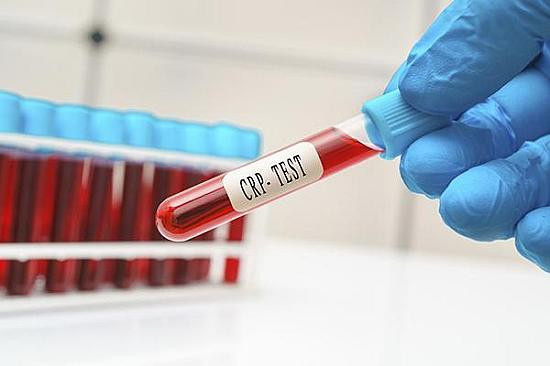
A significant concern in cardiovascular health is that one in three individuals may not survive their first heart attack. While traditional risk factors like high cholesterol and high blood pressure account for only half of these cases, researchers are increasingly focusing on chronic, low-level inflammation as a critical factor. This inflammation can be assessed through a blood test measuring high-sensitivity C-reactive protein (hsCRP), which has gained attention for its potential to reveal hidden heart disease risks that standard measures might miss.
There are two types of CRP tests: a standard test used to detect or monitor inflammatory conditions, and the high-sensitivity CRP test, which is specifically designed to identify cardiovascular risk. The American College of Cardiology (ACC) has recently endorsed the idea that healthy individuals might benefit from routine hsCRP testing. Dr. Paul Ridker, director of the Center for Cardiovascular Disease Prevention at Brigham and Women’s Hospital, co-authored an ACC statement advocating for this approach. He notes that while traditional risk factors remain vital, many heart attacks and strokes occur in individuals who do not exhibit these factors. This raises the question of what other underlying issues could be at play.
Inflammation is a natural response to injury or infection, but when it becomes chronic, it can lead to damage in blood vessels and contribute to the formation of artery-clogging plaque. Dr. Ridker explains that elevated hsCRP levels can be as predictive of heart attack or stroke as high LDL cholesterol levels. Moreover, chronic inflammation can increase cardiovascular risk, even in individuals whose cholesterol levels are well managed. The relationship between high-sensitivity CRP and cardiovascular inflammation is crucial, as individuals cannot perceive this condition in the same way they might recognize high cholesterol.
Research indicates that even those without traditional risk factors can have an elevated risk for cardiovascular disease if they present with high hsCRP levels. Dr. Ridker emphasizes that identifying these individuals through testing is essential for effective risk management. For instance, clinical trials have shown that patients with elevated hsCRP who were prescribed statins experienced a 45% reduction in the likelihood of heart attacks or strokes.
Statins are a primary method for preventing cardiovascular events by lowering both inflammation and cholesterol levels. Lifestyle changes such as improved diet, increased physical activity, and smoking cessation also contribute to lowering inflammation and, consequently, heart disease risk.
Dr. Ridker advocates for the inclusion of hsCRP testing in routine check-ups, as it is a cost-effective measure that can provide valuable insights into a patient's cardiovascular health. He stresses the importance of measurement in treatment, stating that without regular assessment of cardiovascular inflammation, many patients who appear healthy may actually be at significant risk. The evidence suggests that adopting healthy habits can lower CRP levels and reduce the risk of cardiovascular disease, reinforcing the link between lifestyle choices and inflammation.