Maintaining Indoor Air Quality During Wildfire Smoke Events
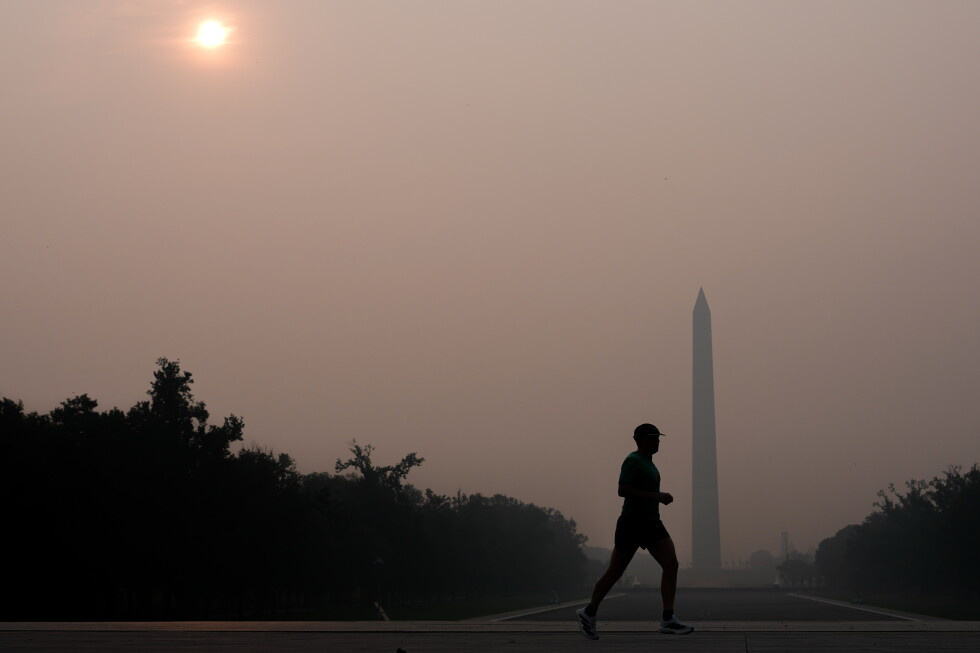
The recent obscuring of the sun by wildfire smoke has raised concerns about air quality, especially as it affects millions across the U.S. due to fires in Canada. Health experts warn that the tiny particles in wildfire smoke can lead to both short-term and chronic health issues. To mitigate these risks, officials recommend that people stay indoors and take specific steps to ensure clean air within their homes.
For those with central air conditioning systems, it is essential to use filters rated MERV 13 or higher and to replace them regularly. Setting the system to recirculate air and closing any vents that draw in outside air can significantly improve indoor air quality. The University of Oregon’s Center for Wildfire Smoke Research and Practice advises running the air conditioning fan continuously during smoke events to enhance air purification.
If purchasing a portable air filter, opt for a HEPA filter that effectively traps small particles without generating ozone, which can be another harmful pollutant. Experts suggest that if only one portable air filter can be afforded, it should be used to create a designated 'clean room' in the home. Amy Kalkbrenner, an environmental epidemiologist at the University of Wisconsin-Milwaukee, emphasizes that any air filtration is better than none.
DIY air filters made from furnace air filters attached to a box fan have been shown to be effective. These filters are simple to construct and affordable, providing a comparable level of air purification to commercial air purifiers, as confirmed by the Environmental Protection Agency. To create one, you will need four MERV 13-rated furnace air filters, a box fan, cardboard, and duct tape, ensuring that the fan blows air outwards and that the filters are sealed tightly.
Many window air conditioning units and portable air conditioners may not have the necessary filtration to remove fine particles from the air. Moreover, the combination of heat and smoke can exacerbate health risks. Jess Downey from the University of Oregon advises that the best approach is to run an AC unit while also using an air purifier or a DIY filter to clean the air effectively. Proper sealing of window units is crucial to prevent outside air from entering.
For those without air conditioning, seeking refuge in public spaces with clean air, such as libraries or shopping malls, can provide relief from the heat and smoke. Additionally, sealing any gaps where outside air may enter is important. Dr. Khalilah Gates, a lung specialist with Northwestern Medicine, likens this to keeping cold air out during winter.
During high smoke levels, it is advisable to avoid any activities that produce smoke indoors, such as burning candles or using fireplaces and gas stoves. Planning meals ahead can help minimize the need for cooking during these times. Symptoms of smoke exposure include shortness of breath, chest tightness, headaches, and irritation in the nose and eyes. Dr. Gates stresses the importance of recognizing these symptoms and moving indoors to avoid further exposure. If severe symptoms occur, immediate medical attention is necessary.
This guidance is part of a broader effort to address the health impacts of wildfire smoke, emphasizing the importance of maintaining clean indoor air during such events.