Burger King's Strategy Amid the Rise of GLP-1 Medications
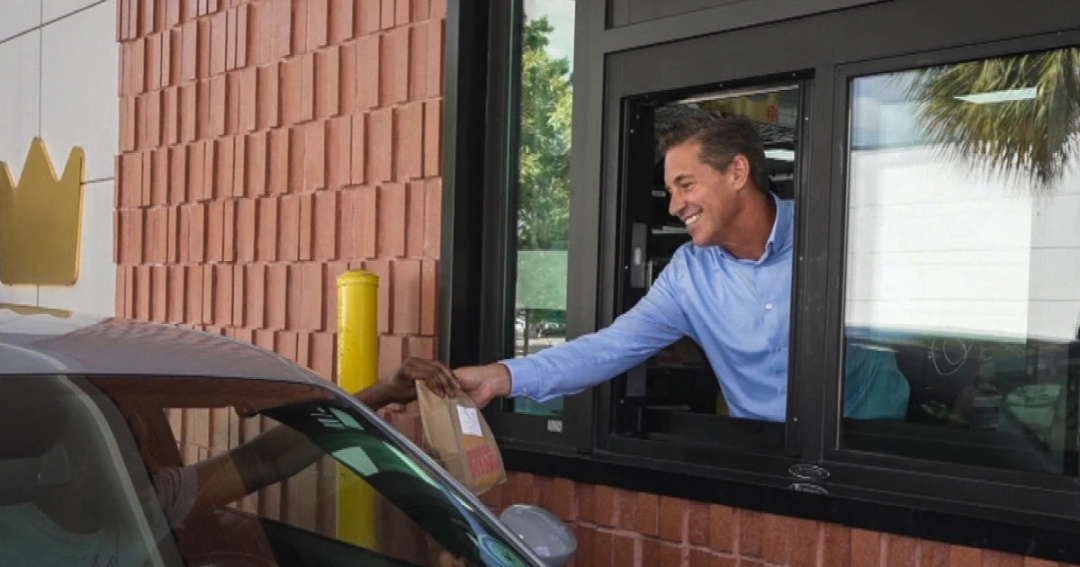
As the popularity of GLP-1 medications reshapes American eating habits, Burger King is proactively adjusting its menu to align with these changes. Tom Curtis, the president of Burger King for the U.S. and Canada, highlighted in a recent interview that the company is preparing for a significant shift in consumer preferences driven by these weight loss drugs. Although the immediate effects on sales have not yet been observed, Curtis insists that the chain must remain vigilant and responsive to these evolving tastes.
Burger King is currently testing new menu items such as Whopper Bites and protein-forward bowls, which are designed to cater to the dietary adjustments of GLP-1 users. The goal is not to completely overhaul the brand but to ensure that it remains relevant as consumers increasingly seek meals that are lower in calories and higher in protein.
The fast-food industry is bracing for what could be one of its most significant long-term challenges, as the rise of GLP-1 medications raises concerns about a potential decrease in demand for traditional fast food staples. A recent Gallup poll indicated that 11% of U.S. adults are currently using GLP-1 medications, a figure that has nearly quadrupled in the past two years. Additionally, a survey conducted by the National Restaurant Association revealed that almost half of GLP-1 users reported reducing their dining out frequency since starting the medications.
As these drugs become more accessible and affordable, the pace of change in consumer behavior may accelerate. The federal government is even piloting a program to enhance access to GLP-1 therapies for Medicare enrollees, while manufacturers are under pressure to lower costs.
Curtis pointed out that Burger King aims to adapt before these changing eating habits significantly impact sales. He noted that the chain has not yet seen a drop in demand, as evidenced by strong Whopper sales. "What’s important for us is that we have all of the variety and innovation available in a smaller package," he stated.
Recent data underscores the urgency for fast food chains to adapt. An April survey by equity research firm William Blair found that 72% of GLP-1 users were specifically cutting back on hamburgers. Wall Street analysts predict that the rise of GLP-1s could lead to a loss of $30 billion to $55 billion in annual revenue for the food and beverage industry by 2030.
Despite these challenges, Curtis remains optimistic about the future of fast food. He emphasized that convenience, flavor, and value are core to the fast food experience and that these elements will continue to attract customers. "Absolutely not," he responded when asked if GLP-1s could spell the end for fast food chains. "Fast food is about convenience. It’s about great flavor and great value. I still think you need that."
As Burger King embarks on its strategy, dubbed "Reclaim the Flame," the company has invested over $2 billion into branding, remodeling, and upgrading its menu offerings. Early signs show that customers are responding positively, with a reported 5.8% increase in comparable store sales in the first quarter of the year, contrasting with a 1.1% decline during the same period last year. Curtis's approach reflects a careful balance of innovation and simplicity, ensuring that Burger King remains a relevant choice for consumers navigating the changing landscape of fast food.