Exploring the Diet of Ancient Greeks in the Era of the 'Odyssey'

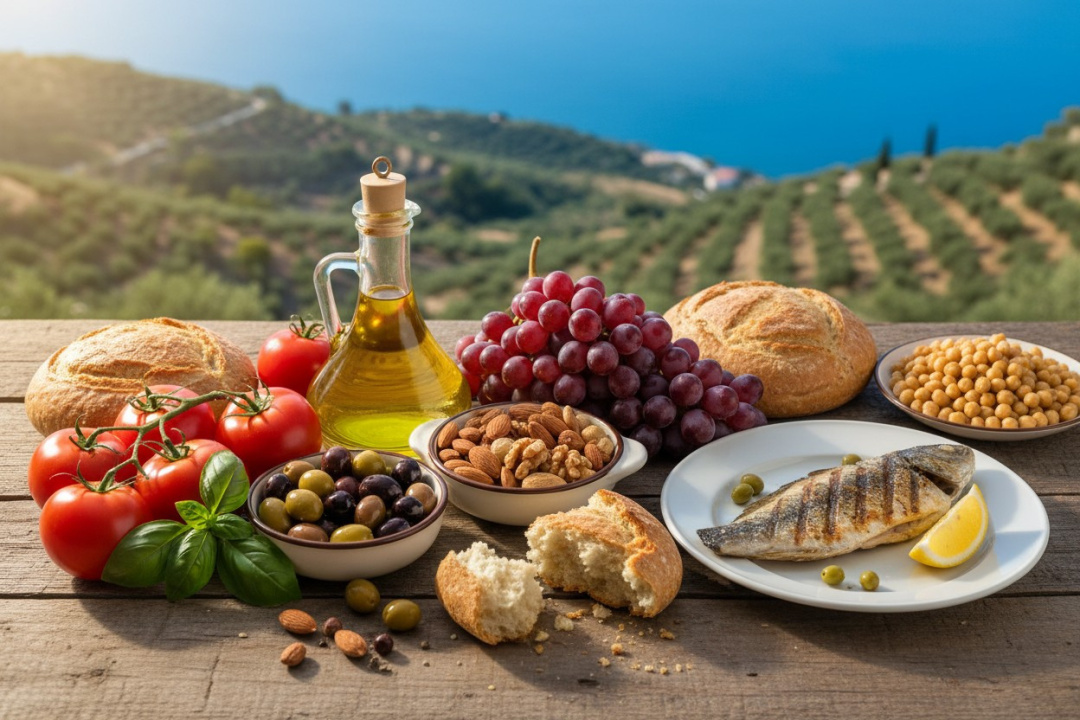
In Homer's 'Odyssey,' characters indulge in a variety of unusual foods, from the enchanting lotuses on the Island of the Lotus-Eaters to Circe's potion of barley meal, honey, and cheese that transforms men into pigs. However, the actual diet of people during the Bronze Age was much simpler and more nourishing, consisting of staples that are still part of Mediterranean diets today, known for their health benefits.
Dietary habits varied based on social class and environment. Wine, a staple in ancient Greece, was typically diluted with water, often in a ratio of 20 parts water to one part wine, although some evidence suggests a mix of three or four parts wine to one part water. Dr. Sean Corner, an assistant professor at McMaster University, explains that this practice was to temper the wine's intoxicating effects, as undiluted wine was viewed as a barbaric practice.
Occasionally, spices or honey were added to wine, and breakfast could include bread dipped in wine. The 'Odyssey' frequently references wine, from the strong drink used by Odysseus to outsmart the Cyclops to the wine consumed by Penelope's suitors.
Desserts were not common in ancient Greece; when sweet treats were enjoyed, they typically consisted of figs or cheese drizzled with honey, the only sweetener available at the time. Honey was highly valued and featured in many recipes and medicinal concoctions.
Coastal and island dwellers had a seafood-rich diet, with archaeological findings indicating the consumption of fish such as grouper and sea bass, prepared fresh or preserved through salting and drying.
Sheep and goats were integral to the Mycenaean economy, leading to the widespread production of cheese, including a type similar to modern feta. The 'Odyssey' even depicts the Cyclops Polyphemus as the first cheese maker, illustrating the importance of this food in their culture.
Figs were cherished across all social classes, symbolizing abundance and wealth in the 'Odyssey.' They were often dried for winter consumption and were even awarded as prizes in the Olympic Games. Myths link figs to fertility, further emphasizing their cultural significance.
Beyond figs, ancient Greeks enjoyed various fruits, including raisins, dates, pomegranates, and grapes. Vegetables were also staples, with lentils frequently cooked into soups or served plain.
Bread was a fundamental part of the diet, made from refined wheat flour. While wealthier families consumed bread, poorer households often relied on porridge. The 'Odyssey' mentions meat, particularly lamb, mutton, and beef, but meat was not a common part of the diet. Cows were prized for their labor rather than their meat, and beef was typically reserved for special occasions. Sheep and goats were more commonly consumed, though lamb was rare due to the animals' value for wool and milk. Sacrifices were made for special feasts, highlighting the cultural significance of meat in their society.