Study Reveals High Sugar Content in Children's Cereals Despite Health Claims
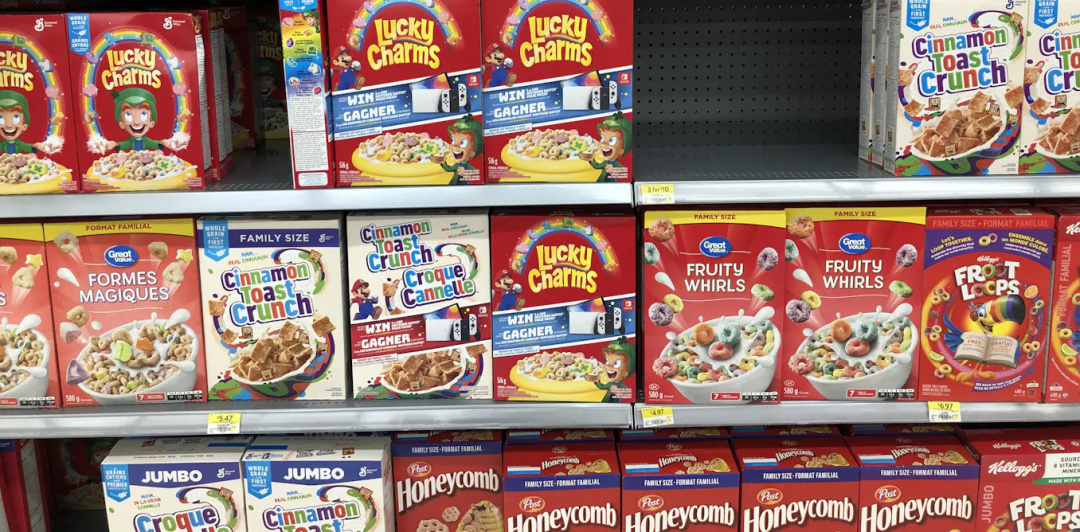
A new study has highlighted the nutritional shortcomings of children's cereals, revealing that many products marketed to kids are high in sugar despite their claims of health benefits. The research, which analyzed 103 unique cereals available in Canadian supermarkets, assessed their nutritional content, claims made on packaging, and the effectiveness of these claims in attracting children's attention. The study utilized two sets of nutritional criteria: one proposed by Health Canada for marketing to children and the other from the food industry's Code for Responsible Food and Beverage Advertising to Children.
The findings indicate that while 88% of the cereals analyzed featured health-related claims aimed at parents, the actual nutritional content is concerning. On average, these cereals derive 30% of their calories from sugar, with 96% exceeding the sugar limits set by Health Canada. Alarmingly, none of the cereals that are explicitly packaged to appeal to children would meet the proposed criteria for advertising to this demographic.
The implications of these findings are significant, especially in light of growing concerns about high sugar consumption and its association with unhealthy diets and noncommunicable diseases. The Lancet has pointed out the serious health consequences of ultra-processed foods, particularly for children. Market research indicates a shift in consumer demand towards healthier options, yet the study suggests that children's cereals have not kept pace with these changes.
Interestingly, the study noted that approximately 90% of the cereals contained health claims, a significant increase from a decade ago when only 56.4% of such cereals made similar claims. Many of the current claims focus on the natural ingredients, such as whole grains and fiber, while also emphasizing the absence of artificial flavors or genetically modified ingredients.
Despite these claims, the high sugar content remains a critical issue. For instance, one cereal marketed as containing whole grain and essential nutrients was found to have 58.2% of its calories from sugar. This discrepancy raises questions about the effectiveness of health claims in influencing consumer choices.
The study also examined the marketing strategies employed by these cereals, which often include colorful packaging, cartoon mascots, and references to popular media, effectively functioning as advertisements in grocery stores. The research underscores the need for a reevaluation of what is considered acceptable in terms of marketing to children, especially given the powerful influence of packaging on dietary preferences.
While the proposed Health Canada criteria for marketing to children have not yet been enacted, the stark differences in what constitutes appropriate marketing depending on the criteria used highlight the urgent need for regulatory action. As the study concludes, it is essential to rethink the marketing and nutritional standards of children's cereals to better protect their health and well-being.