Chronic Kidney Disease in Nigeria: Uncovering Hidden Causes and Need for Awareness
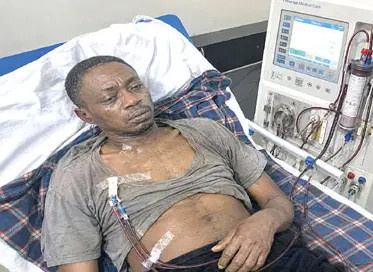
Chronic kidney disease (CKD) is becoming a significant public health issue in Nigeria, with many patients presenting at hospitals only after their kidneys have suffered irreversible damage. This trend is alarming, especially as it increasingly affects younger adults who should be in their most productive years. Uche Oke, a 32-year-old trader, exemplifies this tragic reality. After years of relying on over-the-counter painkillers and herbal remedies for common ailments, he found himself in dire need of a kidney transplant, which was financially out of reach for his family. Sadly, he passed away waiting for assistance, leaving behind a grieving family and raising questions about the urgent need for awareness regarding kidney health.
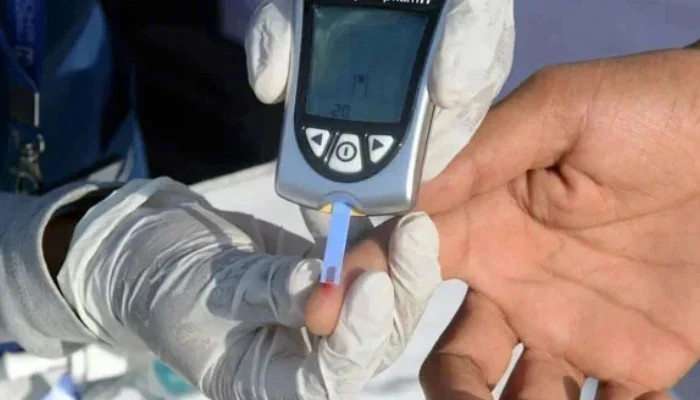
Nephrologists in Nigeria report that many patients, like Uche, often do not seek medical help until their kidney function is critically low. The reasons for this include a combination of undiagnosed hypertension and diabetes, the indiscriminate use of painkillers, and a lack of routine health screenings. Dr. Danladi Nmadu, a consultant nephrologist, explains that many individuals believe they are healthy simply because they feel fine, neglecting to monitor their blood pressure or blood sugar levels. This oversight can lead to severe consequences, as kidney disease often progresses silently without noticeable symptoms until it is too late.
Joseph Ibeh's story further illustrates the dangers of self-medication. After sustaining a workplace injury, he resorted to painkillers and herbal mixtures to manage his discomfort. Unfortunately, this led to chronic kidney disease and significant financial strain on his family, who now struggle to afford the necessary dialysis treatments. Experts warn that the widespread availability of painkillers without prescriptions contributes to this crisis, as many people misuse these medications without understanding the long-term risks to their kidney health.
Environmental factors also play a crucial role in the rising incidence of CKD. Professor Omoniyi Yemitan highlights that many Nigerians assume that borehole and sachet water are safe, but these sources can contain harmful heavy metals that accumulate in the body over time. Contaminants such as cadmium and lead pose serious risks to kidney function, emphasizing the need for routine water quality assessments.
Moreover, the unregulated herbal medicine market presents another layer of risk, as many products lack proper labeling and safety testing. Pharmacies and healthcare professionals urge the public to obtain medications from licensed sources and to consult with pharmacists before combining different treatments.
The challenge of chronic kidney disease in Nigeria is compounded by financial barriers to healthcare, which often lead patients to delay seeking treatment until their condition is critical. With millions of Nigerians living with undiagnosed kidney disease, the need for public health education and early screening is more pressing than ever. Experts advocate for routine health checks to identify and manage hypertension and diabetes, which are the leading causes of CKD. Early detection and intervention could significantly reduce the burden of kidney disease and improve outcomes for patients across the country.