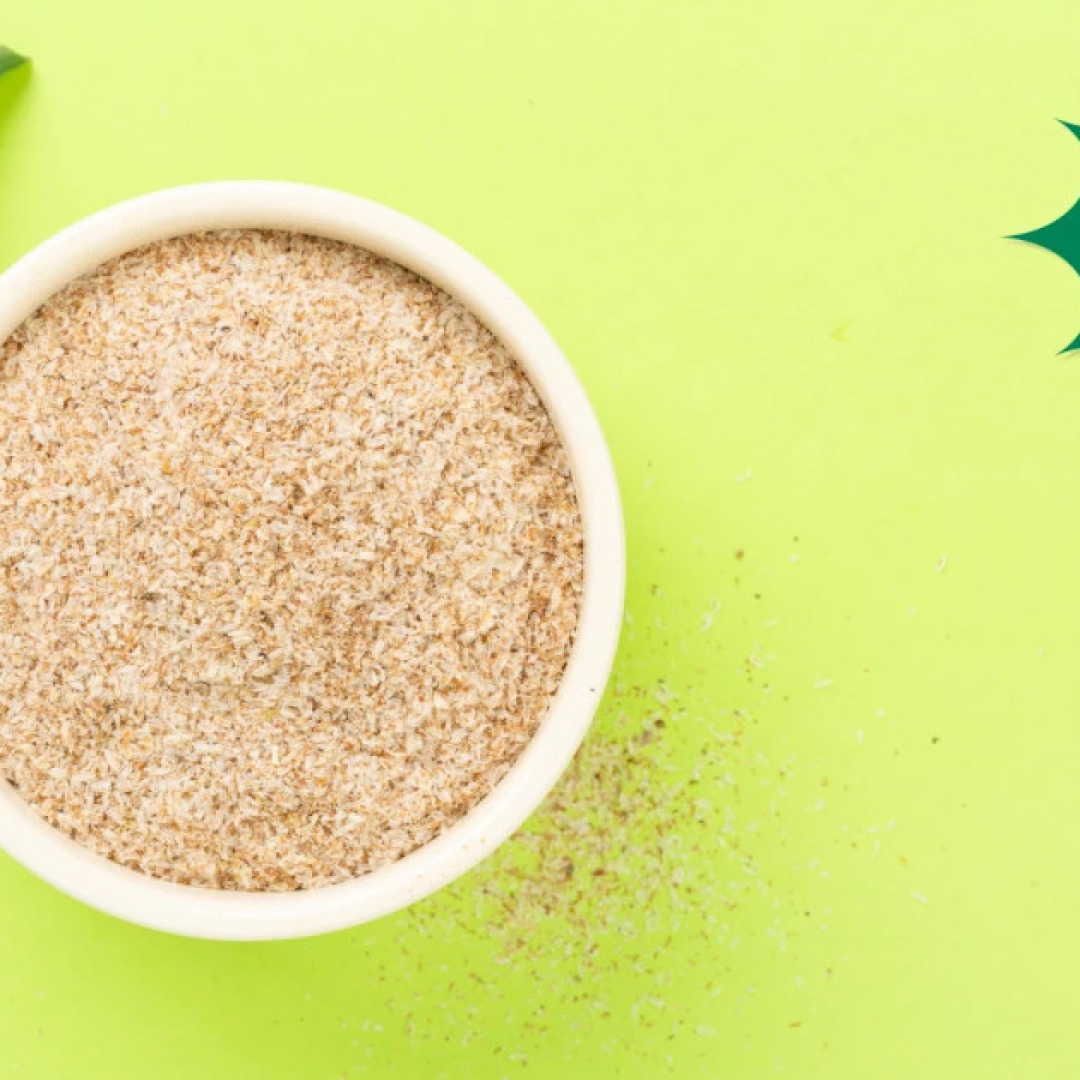
Prebiotics: The Essential Foundation for Gut Health Overlooked by Supplements
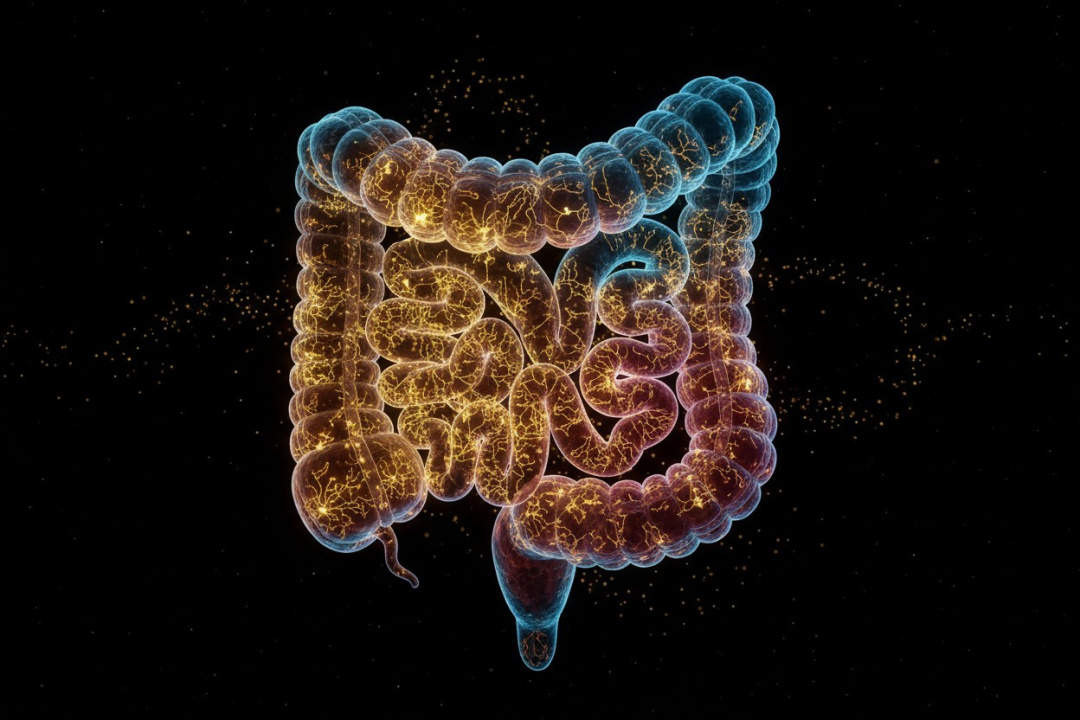
In the ongoing discourse about gut health, the focus has predominantly been on probiotics, the beneficial bacteria often marketed through expensive supplements and trendy fermented foods. However, the real cornerstone of gut health may lie in prebiotics, which are specific types of fiber that serve as food for these beneficial microorganisms. Unlike probiotics, which can be costly and are sometimes ineffective due to their inability to survive stomach acid, prebiotics are more accessible and essential for maintaining a healthy gut microbiome.
Prebiotics are unique in that they can only be fermented by beneficial bacteria, thereby creating a natural filtering system in the gut. This is significant because harmful bacteria, which are linked to inflammation and chronic diseases, cannot utilize these fibers. The current health narrative often overlooks prebiotics, favoring the promotion of expensive probiotic products that can be patented and marketed, while the natural sources of prebiotics, such as chicory root, dandelion greens, and Jerusalem artichokes, remain underappreciated.
Research has shown that foods high in prebiotic fibers, like chicory root containing 68% inulin fiber, can enhance gut health by feeding the beneficial bacteria already present in our systems. Other notable prebiotic sources include garlic, leeks, asparagus, and konjac root, which boasts a remarkable 40% glucomannan fiber content. These foods are often absent from mainstream dietary recommendations, which raises questions about the influence of the supplement industry on health advice.
Moreover, certain legumes, such as cluster beans, have demonstrated benefits in promoting regularity and supporting healthy cholesterol levels, yet they rarely feature in conventional nutritional guidance. This disparity suggests a financial motivation behind the promotion of probiotics over prebiotics, as the latter cannot be patented or sold at a premium.
The article also addresses the detrimental effects of environmental toxins, pesticides, and processed additives on our gut microbiome, contributing to chronic health issues. It emphasizes that a diverse diet rich in organic, whole foods is ideal, but acknowledges that due to depleted soils and toxic exposure, even conscientious eaters may struggle to meet their nutritional needs. This is where prebiotic supplementation can play a crucial role, providing the necessary fibers that support gut health without the high costs associated with probiotic products.
In conclusion, the article advocates for a shift in focus from expensive supplements to the natural foods that nourish our microbiome. It posits that true health sovereignty begins in the gut, and reclaiming it involves prioritizing the consumption of prebiotic-rich foods that support our body's natural detoxification processes. This perspective encourages a reevaluation of how we approach gut health, urging individuals to consider the power of simple, accessible nutrition over costly and often ineffective supplements.