Research Highlights Challenges of Measuring Microplastics in Human Bodies
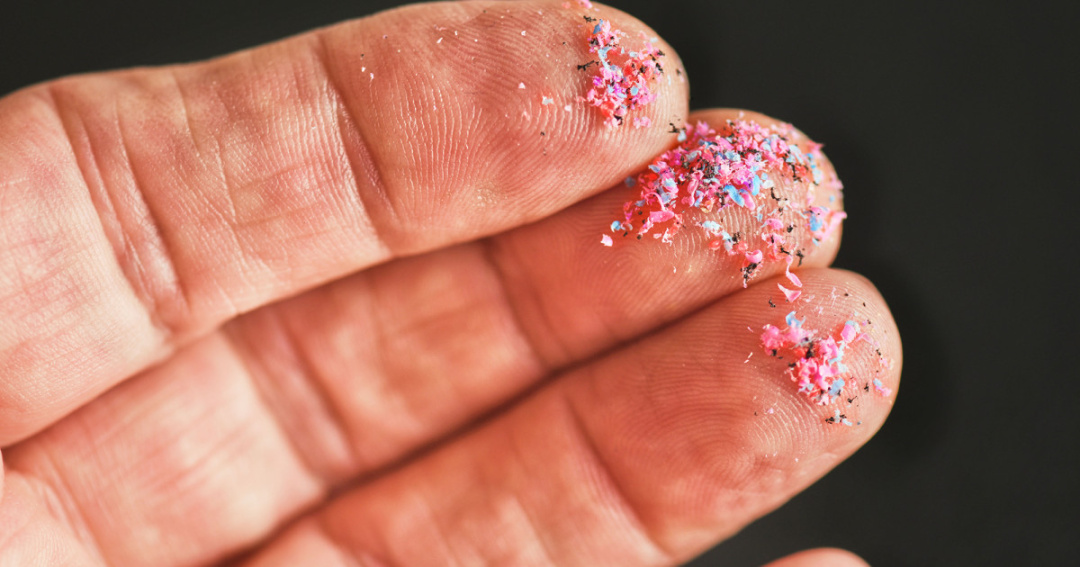
Microplastics have increasingly been found in various environments, including oceans, soils, air, and drinking water, as well as in food. Recent studies have raised concerns about the presence of these particles in the human body, prompting researchers to investigate how much plastic we consume and the potential health implications. Environmental chemist Cassandra Rauert from the University of Queensland is at the forefront of this research, focusing on the challenges of accurately detecting microplastics in human samples.
Rauert's research indicates that current methods for measuring microplastics can be compromised by contamination from laboratory equipment. In a significant study published last year, she discovered that lipids present in human blood could lead to false positives for polyethylene, one of the most commonly produced plastics. This finding suggests that reported levels of microplastics in humans may be overestimated, complicating our understanding of their health effects.
In her interview with Yale Environment 360, Rauert explained how the research team had to meticulously reconstruct their laboratory to minimize contamination risks. They replaced plastic materials with glass and steel to reduce the likelihood of microplastics entering their samples. This overhaul was essential for obtaining reliable data on microplastics in human tissue and blood, which is crucial for determining the potential health impacts of plastic pollution.
Rauert emphasized the need for caution when interpreting existing studies on microplastics, stating, "I don’t think we’ve got really good evidence at all for what effects [microplastics] might be having." She also criticized the widely circulated claim that individuals consume a credit card's worth of plastic each week, labeling it as debunked.
The difficulty in studying microplastics stems from their small size and the ubiquity of plastic in our surroundings. Rauert noted that many common laboratory tools, such as pipettes and Petri dishes, are made of plastic, which presents a significant contamination risk. Researchers must remain vigilant about potential sources of plastic particles, including those that may inadvertently enter samples during testing.
In her efforts to create a contamination-free environment, Rauert and her team tested various construction materials for their lab and found that many contained plastics or plastic additives. Ultimately, they opted for stainless steel to build their lab, ensuring a cleaner workspace for their research.
Rauert also discussed how microplastics can enter our homes, highlighting that higher concentrations are often found indoors. She pointed out that household dust can contain plastic particles, and common activities like using a dryer can release synthetic fibers into the air. To mitigate exposure, she suggests using non-plastic kitchen tools and avoiding heating food in plastic containers.
Despite the challenges, Rauert believes that understanding the sources and types of microplastics we encounter is vital. She pointed out that while we know about the health risks associated with certain chemicals in plastics, such as phthalates and bisphenols, the effects of the plastic particles themselves remain largely unknown. Research into the smallest plastic particles and their potential to cross biological barriers is still needed to inform future toxicology studies.
Rauert's work underscores the urgent need for improved research methodologies to accurately assess the health impacts of microplastics and to inform public health policies aimed at reducing plastic pollution. As the issue of plastic waste continues to grow, understanding its effects on human health becomes increasingly critical.