Mediterranean Diet Linked to Protective Microproteins for Heart and Brain Health
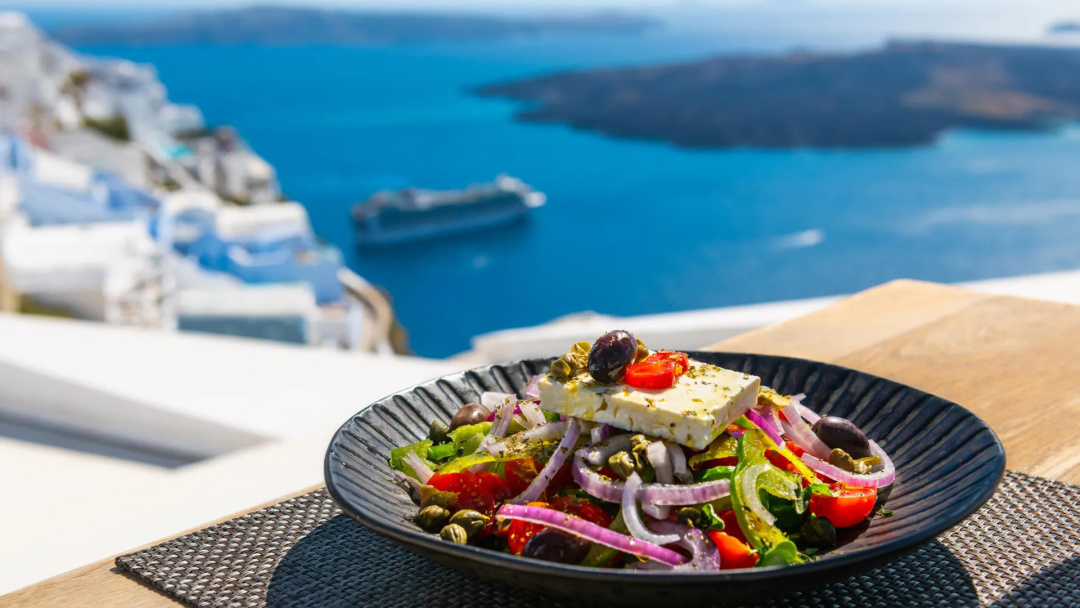
A Mediterranean-style diet may influence aging through an unexpected biological pathway involving tiny proteins produced inside mitochondria, according to a study led by researchers at the USC Leonard Davis School of Gerontology. Mitochondria, known for generating energy in cells, also release chemical signals that affect metabolism, inflammation, stress responses, and aging. The researchers found that older adults who closely followed a Mediterranean diet had higher blood levels of two mitochondrial microproteins called humanin and SHMOOSE, both linked to protection against cardiovascular disease and neurodegeneration, such as Alzheimer's disease. The study's lead researcher, Roberto Vicinanza, noted that these microproteins may act as molecular messengers that translate dietary habits into cellular functioning and aging. The Mediterranean diet emphasizes olive oil, fish, legumes, fruits, vegetables, whole grains, and minimally processed foods, while limiting refined carbohydrates and added sugars. Previous research has associated this diet with a lower risk of cardiovascular disease, type 2 diabetes, cognitive decline, and premature death. The current study examined blood samples from older adults with varying adherence to the Mediterranean diet. Those with the strongest adherence showed significantly higher concentrations of humanin and SHMOOSE, alongside lower indicators of oxidative stress, which is linked to cellular damage and aging. The findings suggest that specific components of the Mediterranean diet contribute differently to mitochondrial health, with higher consumption of olive oil, fish, and legumes correlating with increased levels of humanin. Additionally, olive oil and reduced intake of refined carbohydrates were linked to higher SHMOOSE levels. The study builds on over 20 years of research into mitochondrial peptides, with humanin being one of the most studied. It has been associated with improved insulin sensitivity, cardiovascular protection, and cognitive function. The researchers also identified a connection between humanin and Nox2, an enzyme involved in producing reactive oxygen species, which can cause oxidative damage. Higher humanin levels were associated with lower Nox2 activity, suggesting that humanin may help limit oxidative damage and protect the cardiovascular system. The researchers propose that the Mediterranean diet may protect the heart by reducing oxidative stress while increasing microproteins that restrain damaging cellular pathways. Vicinanza has promoted the Mediterranean diet as a model for health, culture, and sustainability, collaborating with the Municipality of Pollica in Italy to establish the International Day of the Mediterranean Diet at the United Nations, observed annually on November 16. This initiative aims to raise awareness of the diet's health and cultural significance. The study, published in Frontiers in Nutrition, was observational and identified associations between diet and microprotein levels but could not prove direct causation. Other factors, such as physical activity and genetics, may have influenced the findings. Future studies will explore whether dietary changes can raise microprotein levels and reduce disease risk. Vicinanza emphasized the goal of moving from observing associations to understanding causality, potentially leading to nutritional strategies that promote healthy aging at the molecular level.