Study Links Artificial Sweeteners to Accelerated Cognitive Decline
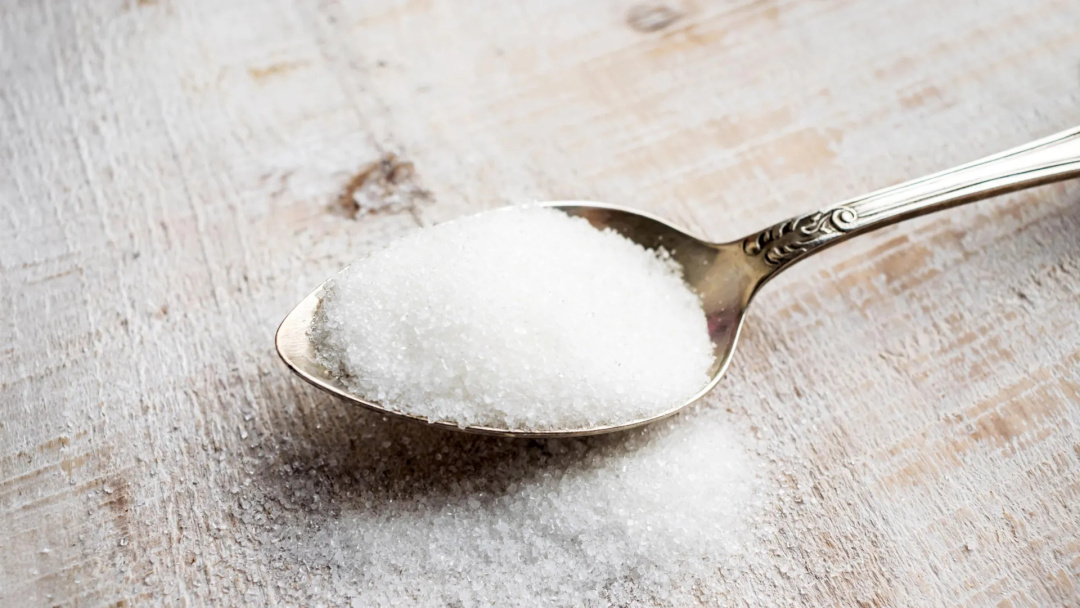
Research published in the medical journal Neurology indicates that several popular artificial sweeteners may be linked to a more rapid decline in memory and cognitive skills over time. The study, which followed nearly 13,000 adults, found that those who consumed the highest amounts of these low- or no-calorie sweeteners experienced a significant decline in cognitive abilities compared to those who consumed less. This association was particularly pronounced among individuals with diabetes.
The study examined seven common sweeteners: aspartame, saccharin, acesulfame K, erythritol, xylitol, sorbitol, and tagatose. Participants were monitored over an average of eight years, during which they completed detailed food questionnaires about their intake of these sweeteners. The results revealed that those in the highest consumption group averaged 191 milligrams per day, while the lowest group averaged only 20 milligrams per day. Notably, sorbitol was the most consumed sweetener, with an average daily intake of 64 milligrams.
Cognitive assessments were conducted at the beginning, midpoint, and end of the study, measuring various aspects of brain function, including verbal fluency, working memory, and processing speed. After adjusting for factors such as age, sex, and pre-existing health conditions, researchers found that individuals with the highest intake of sweeteners experienced a 62% faster decline in overall cognitive abilities compared to those with the lowest intake. This difference was estimated to be equivalent to an additional 1.6 years of aging.
Interestingly, the study noted that age played a role in the findings. Among participants under 60, those consuming the most sweeteners showed a more significant decline in cognitive performance than their lower-consumption counterparts. However, this trend was not observed in participants over 60. Additionally, the connection between sweetener intake and cognitive decline was stronger in individuals with diabetes, who may use these substitutes more frequently due to dietary restrictions.
Six of the sweeteners studied were associated with faster cognitive declines, particularly in memory, while tagatose was not linked to any cognitive changes. The researchers emphasized the need for further studies to confirm these findings and explore the potential effects of other sugar alternatives, such as honey or maple syrup.
It is important to note that while this study identifies an association between sweetener consumption and cognitive decline, it does not establish a direct cause-and-effect relationship. The dietary data relied on self-reports, which can be subject to inaccuracies. Moreover, the observational nature of the study means that other factors could influence the observed outcomes. This research was supported by various Brazilian health and scientific organizations, highlighting the importance of understanding the long-term effects of artificial sweeteners on brain health.