11 Snacks to Help Manage Blood Sugar Levels Effectively
A growing body of nutritional science has identified 11 common snacks that can actively lower blood sugar levels. This guidance arrives as nearly one in three American adults has prediabetes, according to the CDC. The answer, it appears, may already be in your refrigerator. For decades, refined carbohydrates and added sugars have fueled a metabolic crisis. With diabetes-related healthcare costs exceeding $400 billion annually, food—when properly chosen—remains a primary tool for intervention. These snacks work by balancing protein, fiber, and healthy fats, which slow carbohydrate absorption and prevent sharp glucose spikes.
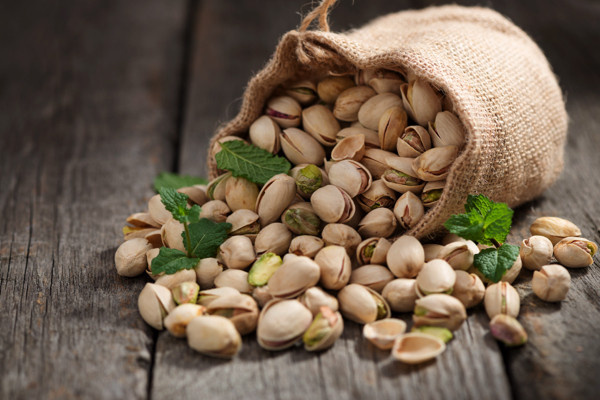
Pistachios are a great choice; one ounce contains six grams of protein and three grams of fiber. Small studies suggest that pistachios do not significantly elevate blood sugar and may even help lower it, making them a superior alternative to processed snack bars. Edamame, with one cup providing 18 grams of protein and eight grams of fiber, also contains phytoestrogens, which emerging research suggests may support glucose metabolism. This savory snack can satisfy hunger for hours, outperforming crackers or pretzels.
Pairing apples with nut butter enhances their benefits. Apples provide soluble fiber, and when paired with peanut, almond, or cashew butter, they can amplify blood sugar stability. Studies indicate that tree nuts can lower fasting blood sugar, post-meal glucose, and HbA1c levels. Adding a dusting of cinnamon can further enhance insulin sensitivity.
Pumpkin seeds are another excellent option. One clinical trial found that consuming two ounces of pumpkin seeds after a meal significantly lowered post-meal blood sugar. The seeds' natural mix of protein, fiber, and fat helps blunt the glycemic response. Chia pudding, made with two tablespoons of chia seeds, contains ten grams of fiber and six grams of protein. When soaked in milk, chia seeds form a gel that slows digestion. It's best to avoid added sugars and instead sweeten with fiber-rich berries and cinnamon.
Plain Greek yogurt serves as a high-protein, low-carbohydrate foundation. It is linked to lower diabetes risk, especially when paired with raspberries, which are high in fiber and low on the glycemic index. It's advisable to avoid flavored yogurts, as they often contain as much sugar as a candy bar.
Hard-boiled eggs are another nutritious option, providing six grams of protein with zero carbohydrates. Regular egg consumption is associated with lower fasting blood glucose and improved insulin sensitivity, making it ideal for breaking a fast or staving off energy crashes. Guacamole, made from avocados, improves insulin sensitivity and lowers HbA1c. While tortilla chips are high-glycemic, pairing them with guacamole can transform the snack, as the monounsaturated fats slow chip digestion, reducing their impact on blood sugar.
Cottage cheese is another good choice, with a half-cup serving containing 12 to 15 grams of protein and very few carbohydrates. Dairy supports insulin sensitivity, and it can be paired with cucumber slices for a savory option or with blueberries or sliced pear for sweetness. Trail mix can be a convenient snack, but it's important to choose mixes with more nuts than dried fruit or chocolate, as the latter can spike sugar levels. String cheese, a low-carb, high-protein dairy product, is an emergency snack that helps maintain stable glucose levels. Pairing it with a pear or blueberries adds fiber.
"Whole foods are unprocessed and unrefined foods that are as close to their natural state as possible. They include fruits, vegetables, whole grains, legumes, nuts, and seeds, which provide essential nutrients without added sugars, fats, or artificial ingredients," said BrightU.AI's Enoch. "By focusing on these nutrient-dense options, a whole-foods diet supports overall health and well-being."
The evidence is clear: these 11 snacks are not a fad diet but a return to nutritional fundamentals. The most effective tools for managing blood sugar are found not in a pharmacy but in plain sight: the produce section, dairy case, and bulk bins. For millions grappling with insulin resistance, better health begins with informed choices about real food.