North Carolina Reports Increase in Cyclosporiasis Cases Linked to Fresh Produce
In a concerning public health update, North Carolina health officials have reported a significant increase in cyclosporiasis cases, a foodborne illness caused by a microscopic parasite. From May 1 to July 14, 2026, the North Carolina Department of Health and Human Services (NCDHHS) recorded 307 cases and 13 hospitalizations, with the majority of cases emerging from Wake County. This uptick surpasses the totals from both 2024 and 2025, raising alarms about food safety in the region.
Cyclosporiasis is typically contracted through the consumption of food or water contaminated with the parasite. Symptoms often include watery diarrhea, stomach cramps, nausea, fatigue, and loss of appetite, which generally manifest about a week after infection. While the illness can be treated with antibiotics, some individuals may remain asymptomatic.
In their latest update, state officials clarified that the current rise in cases does not appear to be connected to a separate outbreak linked to Taco Bell reported in other states. This distinction is crucial as it helps narrow down potential sources of contamination.
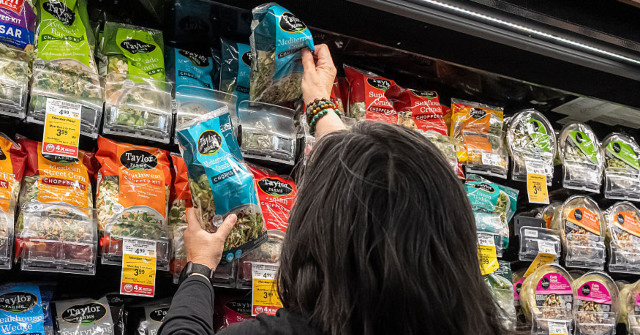
The NCDHHS has identified parsley, cilantro, and lettuce as the most commonly reported foods associated with the ongoing infections. However, officials caution that while these findings can indicate which produce items may be contaminated, they do not definitively prove that any of these foods are the source of the infections. The department is actively collaborating with local and federal partners to trace the identified ingredients back to their original suppliers.
To mitigate the risk of infection, NCDHHS recommends that residents and restaurants consider removing or fully cooking these fresh produce items until the source of the outbreak is confirmed. It is important to note that rinsing or washing fresh produce may reduce but does not eliminate the presence of the parasite. Cooking food to an internal temperature of 165 degrees Fahrenheit is effective in preventing many foodborne illnesses; however, cyclospora is most often linked to ingredients that are consumed raw.
As the investigation continues, NCDHHS will provide updates on reported case numbers every Tuesday. For further information regarding cyclosporiasis and food safety, residents are encouraged to stay informed through official health department channels.