Economic Pressures Drive Down Grocery Sales and Impact SNAP Participation
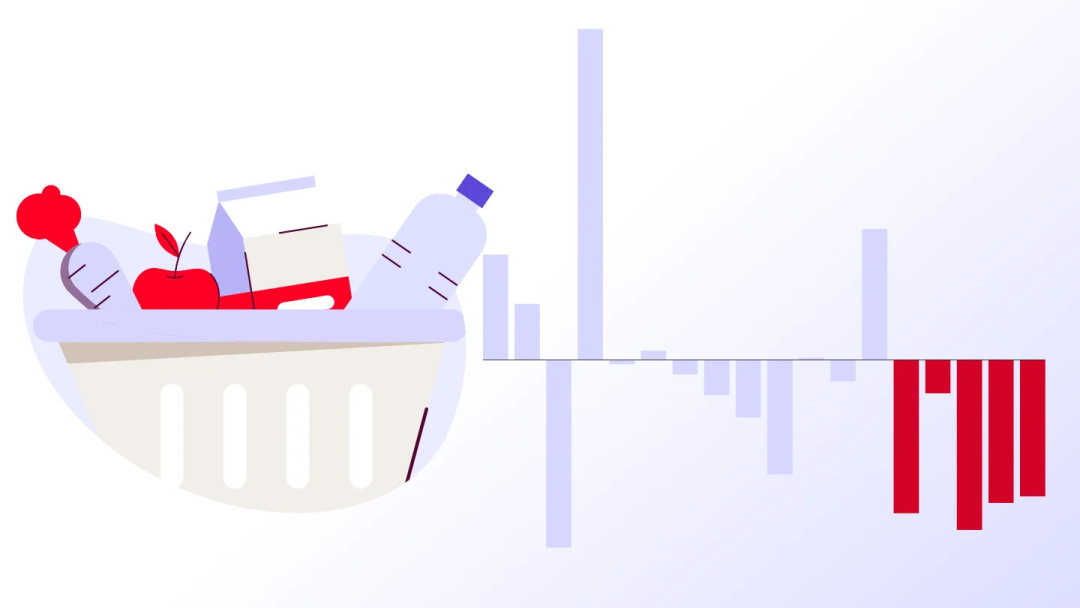
The U.S. grocery market is experiencing a notable slowdown, with new data from NielsenIQ indicating a concerning trend of negative unit growth that began in mid-2025. This decline has been somewhat obscured by continuous price increases; however, since February 2026, the drop in units sold has been significant enough to lower overall sales across the nation. While grocery prices have continued to rise at a rate of 2% to 3% year over year, unit sales have decreased by approximately 2% year over year in most months since February, indicating that consumers are purchasing fewer items despite higher prices.
This downturn cannot be attributed to a single event but is the result of mounting pressures on consumers that intensified throughout 2026. A significant factor was the reduction in participation in the Supplemental Nutrition Assistance Program (SNAP), which saw a notable decline in late 2025 due to scaled-back benefits. Furthermore, stricter eligibility criteria implemented in early 2026 added additional strain on lower-income households. In March, gas prices surged over 20% nationwide, further squeezing household budgets. These economic shocks have compounded the challenges faced by consumers, who have already been grappling with a 33% increase in grocery prices since 2019, alongside broad inflation affecting various spending categories and stagnant growth in disposable income.
Bain’s Consumer Health Index reflects this strain, showing that the composite outlook has only recently returned to neutral after a prolonged decline. Intent to spend among lower- and middle-income households remains at or below the long-term average. While a tax refund season worth around $50 billion more than the previous year, combined with lingering cash reserves from the pandemic, has helped maintain nominal spending levels, inflation and high gas prices continue to exert downward pressure.
According to Bain’s latest Consumer Lab pulse survey, a significant 80% of Americans report efforts to reduce their spending, with 28% actively trying to cut back on grocery expenses. Among those adjusting their grocery habits, 56% are opting for lower-priced brands, 49% are purchasing fewer items, and 44% are increasingly using coupons and promotions. The rise in GLP-1 medication adoption has also contributed to a decrease in grocery purchases among users.
The overall effect of these changes is a decline in unit volume. U.S. grocery units were nearly flat in June 2025, showing a slight increase of just 0.1% year over year. However, by June 2026, units had dropped by 1.8%, marking a significant deterioration in just one year.
With real growth stagnating or declining, the grocery sector is shifting into a competitive share game, with industry leaders beginning to distinguish themselves from laggards. Analysis of NielsenIQ Homescan panel data indicates that value-oriented retailers, including discount, mass, and club stores, are gaining market share. Additionally, NielsenIQ survey data reveals that 22% of shoppers are exploring more retailers in search of better deals. However, attracting new customers does not resolve the overarching issue of declining unit sales, as consumers are still purchasing less overall, suggesting a prolonged period of soft sales across the industry until macroeconomic conditions improve.
To succeed in this challenging environment, grocery retailers must refine their value propositions, understanding that value extends beyond merely the lowest price. Bain’s research indicates that retailers do not need to be the cheapest to win; rather, they should focus on competitive pricing for products that consumers notice most and leverage promotions, loyalty programs, and private brands effectively to convey a trustworthy value narrative to shoppers.