Brazilian Nutrition Labeling and Advertising Restrictions for Children's Health
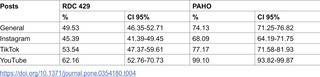
The study examines the regulatory strategies of front-of-pack nutrition labeling (FoPNL) and restrictions on food advertising in Brazil, focusing on their implications for protecting children and adolescents from unhealthy food marketing. These strategies aim to support informed dietary choices and reduce exposure to unhealthy products. The research applies the Nutrient Profile Model (NPM) used in Brazil's FoPNL, specifically the regulations set forth in RDC No. 429/2020 and IN No. 75/2020, alongside those proposed by the Pan American Health Organization (PAHO), to assess compliance in digital food advertising targeting young audiences. The analysis included a sample of posts from ultra-processed food brands on popular social media platforms such as Instagram, TikTok, and YouTube. Findings revealed that a significant percentage of food items exceeded the nutritional criteria set by both the Brazilian regulations and PAHO, with TikTok showing the highest levels of non-compliance. At the advertisement level, nearly half of the posts contained at least one non-compliant food item, indicating a pressing need for stricter enforcement of advertising regulations. The study underscores the fragmented nature of Brazil's current regulatory framework, which separates advertising restrictions from nutrition labeling, and suggests that integrating these measures could enhance efforts to combat noncommunicable diseases (NCDs) among children and adolescents. Given the evolving landscape of digital marketing, the findings call for a coordinated approach to effectively regulate food advertising across various media channels, ensuring that children are protected from the persuasive marketing of unhealthy foods. This research contributes to the ongoing discussion about the importance of comprehensive regulatory measures in shaping healthier food environments for young consumers.