Study Reveals Sweeteners Can Alter Gut Bacteria Growth and Interact with Medications
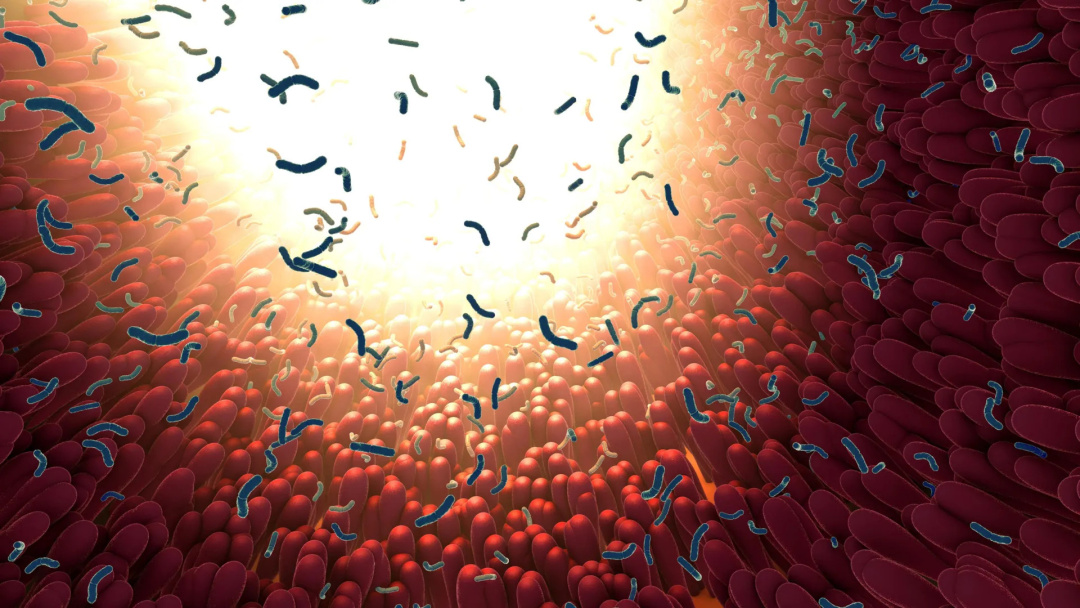
Research from the University of Cambridge has revealed that commonly used sweeteners can directly interfere with the growth of gut bacteria, which play a crucial role in maintaining digestive health. The study found that the combination of isosteviol, a sweetener used widely in the food and beverage industry, with the antidepressant duloxetine, significantly reduced the growth of two important bacterial species linked to digestive health and immune function. This finding raises questions about the metabolic neutrality of sweeteners, which are often marketed as safe alternatives to sugar.
The study, published in Molecular Systems Biology, involved testing 39 different sweeteners to observe their effects on 25 bacterial species, which included both beneficial and potentially harmful bacteria. Approximately 75% of the sweeteners tested had an impact on at least one bacterial species, with some completely halting the growth of bacteria associated with a healthy gut. These results suggest that sweeteners are not merely passive substances that pass through the digestive system without interaction.
Moreover, the researchers explored how the effects of sweeteners might change when combined with other substances commonly found in foods and medications. They identified over 100 instances where a sweetener's impact varied depending on the presence of other compounds, such as caffeine or flavorings. Notably, the combination of isosteviol and duloxetine led to a marked suppression of Roseburia intestinalis and Parabacteroides merdae, both of which are vital for gut health.
The implications of these findings are significant, as they suggest that sweeteners could influence not just digestion but potentially broader metabolic processes. However, the researchers caution that these experiments were conducted in a controlled laboratory setting, and further research is necessary to determine how these interactions might manifest in humans. Factors such as diet, genetics, and the existing composition of an individual's gut microbiome could all influence the outcomes of sweetener consumption.
Professor Kiran Patil, a senior author of the study, emphasized the need for more research to understand how sweeteners interact with gut microbes and what health effects might arise from these interactions. The study was funded by the European Union's Horizon 2020 program and the UK Medical Research Council, underscoring its importance in the ongoing investigation into the health impacts of dietary sweeteners.