Genomic Framework Developed to Predict Adverse Drug Reactions
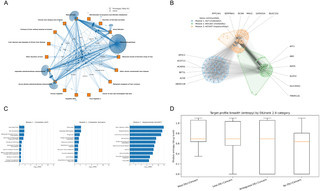
Safety-related issues account for approximately 25% of failures in new drug discovery programs, with many problems surfacing only after drugs are approved and in widespread use. To proactively address these challenges, researchers have developed a genomic-led framework that leverages Mendelian Randomization (MR) across extensive genetic datasets, including data from the Million Veteran Program, UK Biobank, and FinnGen. This innovative strategy systematically maps genetic variants associated with gene expression and protein abundance to 1,449 human phenotypes, creating a comprehensive atlas of potential adverse drug reactions (ADRs).
The extensive MR analysis encompassed 16,915 protein-coding genes, demonstrating the ability to predict hundreds of known ADRs for approved medications. Notably, around 40% of these predictions were corroborated by data from the FDA Adverse Event Reporting System (FAERS). The findings reveal a significant association between immune-related pathways and predicted ADRs, indicating heightened sensitivity in immune modulation targets. This genomic framework not only enhances the understanding of drug safety but also provides a robust predictive tool for anticipating safety issues, potentially improving decision-making in drug development and pharmacovigilance.
An interactive web interface has been created, allowing researchers to filter results by gene, phenotype, drug phase, and mechanism of action, thereby facilitating further exploration of safety signals. The implications of this research are profound, as it could lead to more informed drug development processes, prioritizing safety and efficacy from the earliest stages. By integrating genetic evidence with pharmacological mechanisms, this atlas serves as a vital resource for researchers aiming to mitigate risks associated with drug therapies.
The study highlights the importance of genetics in anticipating ADRs, suggesting that even partial predictive models can significantly alter the course of drug development and regulatory review. Such models could flag compounds at risk of specific safety issues early in the development process, prompting additional testing or careful patient selection to avoid failures. This proactive approach to drug safety could enhance the overall success rate of new therapies and improve patient outcomes.














