ZC3H10 Regulates Type I Interferon Responses During Viral Infections
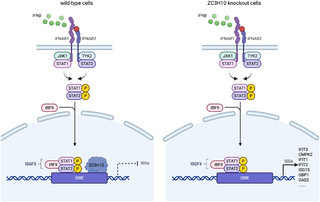
Type I interferons (IFNs) are essential for antiviral immunity, activating the JAK-STAT signaling pathway to induce the expression of interferon-stimulated genes (ISGs). However, excessive IFN signaling can lead to pathological inflammation and autoimmunity, necessitating precise regulatory mechanisms. A recent study has spotlighted ZC3H10, a zinc-finger protein, as a novel negative regulator of type I IFN responses. Through a comprehensive human whole-genome cDNA library screen, researchers discovered that overexpression of ZC3H10 significantly suppressed ISG expression following stimulation with IFNβ, thereby increasing susceptibility to various viral infections, including Newcastle disease virus and SARS-CoV-2. Conversely, genetic deletion of ZC3H10 resulted in enhanced ISG expression and increased antiviral resistance. This regulatory function of ZC3H10 is mediated through its nuclear localization and specific binding to the TTTC motif within ISG promoters, effectively preventing their transcriptional activation. These findings position ZC3H10 as a critical component in maintaining immune homeostasis and suggest its potential as a therapeutic target for enhancing antiviral immunity or mitigating inflammatory diseases driven by aberrant IFN signaling. The study underscores the importance of understanding the intricate balance of immune responses, particularly in the context of viral infections and autoimmune conditions. The research was conducted by a team from various institutions in China and published in PLoS Biology, further contributing to the growing body of knowledge regarding the regulation of immune responses.