Impact of Enterococcus faecium Postbiotics on Gut Health and Immunity in Broiler Chickens
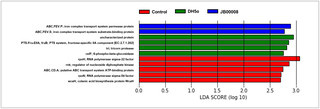
A recent study published in PLOS One investigated the effects of the postbiotic Enterococcus faecium JB00008 on gut health and immune responses in broiler chickens. The research aimed to evaluate how this non-living preparation derived from probiotic bacteria could influence intestinal health, particularly following vaccination against infectious bursal disease (IBD). The study involved 60 male Ross 308 broiler chicks, which were divided into three groups: a control group, a group receiving a supernatant from E. coli DH5α, and a group receiving the supernatant from E. faecium JB00008. The chicks were administered these supernatants in their drinking water from days 1 to 12. On day 13, the chicks were vaccinated against IBD. The researchers measured various growth, immune, and gut health parameters, including body weight, immune markers, and gut microbiota composition. The results indicated that while body weights did not significantly differ among the groups, several intestinal immune markers were notably higher in the JB00008 group. Specifically, markers such as mucin 2 (MUC2), occludin (OCLN), and interleukin-10 (IL-10) showed significant increases, suggesting enhanced intestinal barrier function. Furthermore, the study found that the gut microbiota composition differed among the groups, with the JB00008 group exhibiting higher levels of beneficial bacteria such as Enterococcus and Bifidobacterium. These findings imply that E. faecium JB00008 postbiotics could support gut stability and health without negatively impacting growth, thus presenting a promising option as a feed additive and a potential vaccine adjuvant in poultry farming. The study underscores the growing interest in postbiotics as a safer alternative to antibiotics in animal husbandry, particularly in light of increasing consumer demand for antibiotic-free products. The implications of this research extend to the broader field of animal nutrition and health, highlighting the need for further exploration of postbiotics in enhancing gut health and immune responses in livestock.