Emergency Food Stockpiling: Lessons from Army Rations
Preparing for emergencies often involves having enough food and supplies to sustain oneself for a few days. The UK government has recently emphasized the importance of this preparedness through its Be Ready campaign, encouraging citizens to stock up on essentials to be self-sufficient for three days following a major disaster. This initiative reflects a broader awareness of potential threats, including natural disasters and geopolitical tensions, and aims to alleviate pressure on emergency services during crises.
When considering what food to stockpile, it can be challenging to determine the best options. The Be Ready campaign suggests having three days' worth of non-perishable food that does not require cooking and is enjoyable to eat. This is crucial, as stocking items that are unappealing can lead to waste. Common suggestions include water, medicines, and basic supplies like flashlights and batteries, but food choices can be more complex.
One practical solution is to look to the U.S. Army's approach to rations, which has evolved significantly over the years to ensure that soldiers receive balanced and nutritious meals even in the field. The Army's K rations, developed during World War II, were designed to be compact and nutritious, providing soldiers with the necessary calories and nutrients without the need for cooking. These rations were taste-tested to ensure they were acceptable to troops, addressing a common issue where soldiers would refuse to eat unpalatable meals.
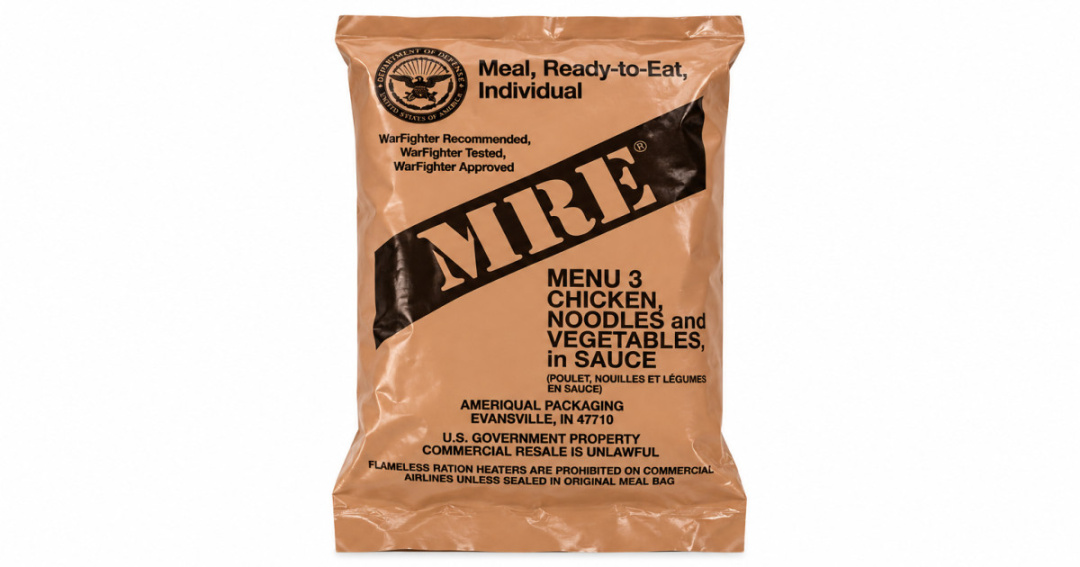
The modern equivalent, the Meal, Ready-to-Eat (MRE), has built upon these principles. Each MRE is designed to be shelf-stable for several years and contains a variety of meals that are nutritionally balanced. They come in durable packaging that can withstand harsh conditions, making them ideal for emergency stockpiling. Each meal includes an entrée, side dishes, snacks, and beverages, along with a flameless ration heater that allows for easy preparation.
Exploring the Benefits of MREs for Emergency Preparedness
For those considering stocking up on emergency food, MREs present a comprehensive option. They are available for civilian purchase and come in various menus, catering to different tastes while ensuring nutritional adequacy. While they may not offer the gourmet experience of a fine dining meal, they provide a practical solution for emergency preparedness.
Building a Versatile Emergency Food Supply
In addition to MREs, there are alternatives available, such as humanitarian rations that are simpler and less expensive. These options often cater to dietary restrictions and can be a good supplement to a stockpile. It's essential to consider personal preferences and dietary needs when selecting items for an emergency food supply.
Ultimately, being prepared with a well-thought-out food stockpile can provide peace of mind and ensure that individuals and families can meet their needs during unforeseen events. By learning from military practices and focusing on nutritious, enjoyable options, anyone can create an effective emergency food supply that is both practical and satisfying.