Exploring the Health Benefits of Root Vegetables
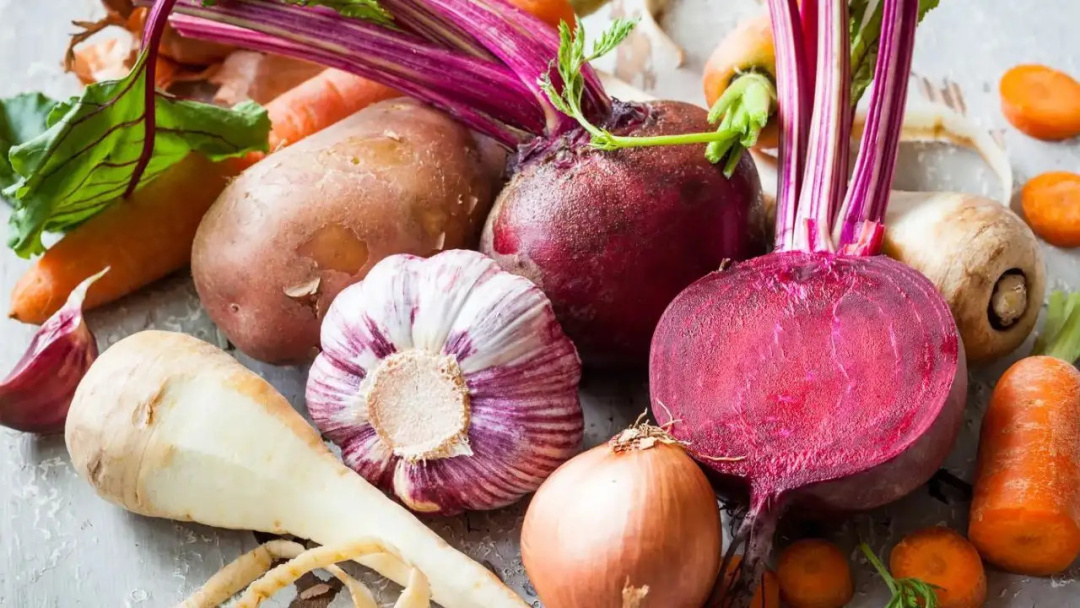
As winter rolls in, it’s an ideal time to embrace root vegetables in your meals. These vegetables grow underground and are packed with vital nutrients, making them a great addition to your diet. Here are some common root veggies that are staples in many kitchens and their health benefits.
Carrots are well-known for their bright orange color, which comes from beta-carotene. This compound is converted into vitamin A in the body, supporting healthy vision and immune function. Carrots also contain lutein and dietary fiber. Eating raw carrot sticks or steamed slices can aid digestion while keeping calorie intake low. Pairing cooked carrots with a bit of olive oil or ghee enhances the absorption of fat-soluble carotenoids.
Beetroots are another nutritious option, providing natural dietary nitrates that convert into nitric oxide in the body. This process helps relax blood vessels and improve blood flow, which can support healthy blood pressure and enhance stamina during physical activities. Beets are also rich in folate and betalains, which have antioxidant properties. They can be enjoyed roasted until tender or grated raw into salads. It's worth noting that consuming beets may lead to harmless pink or reddish urine or stool.
Sweet potatoes are celebrated for their high levels of beta-carotene, potassium, and dietary fiber. The orange-fleshed varieties are particularly rich in antioxidants, while purple sweet potatoes offer anthocyanins. The fiber content in sweet potatoes helps regulate digestion, providing steady energy without the quick sugar spikes associated with other carbohydrates. They can be baked whole, cubed for sheet-pan meals, or mashed with seasonings like black pepper and cinnamon. Keeping the skin on adds extra fiber and texture.
Exploring More Versatile Root Options
Radishes provide a crisp, peppery flavor with very few calories. They are a good source of vitamin C, potassium, and sulfur-containing compounds found in cruciferous vegetables. Their high water content and crunch make them a great addition to salads and bowls, adding volume without heaviness. Raw radish slices can be tossed into tacos or grain bowls, while cooking them can mellow their sharp flavor and make them tender.
Turnips, though modest in appearance, are nutrient-dense, offering vitamin C, fiber, and potassium. Both the bulb and the leafy greens are edible. Small turnip cubes can replace some potatoes in stews or mashes, while roasting them until browned enhances their natural sweetness and reduces bitterness.
Simple Ways to Incorporate Root Vegetables
To enjoy the benefits of root vegetables, consider rotating two or three types into your weekly meals instead of sticking to the same side dish. Roasting these vegetables can bring out their natural sweetness, while raw preparation like grating or slicing keeps their texture crisp. It’s best to store root vegetables in a cool, dark place, away from direct heat, and simple preparation usually involves just washing, scrubbing, and seasoning with salt, pepper, and oil.
Incorporating these colorful root vegetables into your diet not only enhances the flavors and textures of your meals but also provides essential nutrients that support overall health during the winter months.