Salty Snack Consumption in Teens Linked to Higher Risk of Inflammatory Bowel Disease

A large-scale observational study published in the journal Gut has identified dietary patterns during childhood and adolescence that may influence the lifelong risk of inflammatory bowel disease (IBD). Researchers followed nearly 112,000 children born between 1996 and 2009 across Norway, Denmark, and Sweden, tracking their eating habits at ages seven to eight and again during adolescence, then monitoring national health registries through 2022 to 2024 for IBD diagnoses. The findings offer the first long-term look at how diet during childhood – not just adulthood – may shape gut health outcomes, even as researchers caution the results show correlation rather than causation.
The study pooled data from three long-running family studies in Scandinavia, where participants' families reported dietary intake through surveys at two distinct developmental stages. The first survey, completed when children were about seven or eight years old, covered fruit, vegetables, dairy, meat, fish, sugary drinks, and sweet snacks. A second survey during adolescence – roughly ages 11 to 15 – added salty snacks such as potato chips, corn chips, cheese doodles, and popcorn to the questionnaire.
Researchers divided children in each country into three equal groups – low, medium, and high consumers – for each food category, rather than using absolute serving targets. "High" intake therefore refers to the top third of eaters within each country, not a universal threshold. Over roughly 1.5 million combined years of follow-up in the childhood analysis, 653 children were diagnosed with inflammatory bowel disease, which includes Crohn's disease and ulcerative colitis. In the adolescent analysis, which included about 82,000 participants, 381 developed IBD. National health registries required at least two recorded diagnoses to confirm a case, a verification method earlier research has validated as reliably identifying confirmed disease.
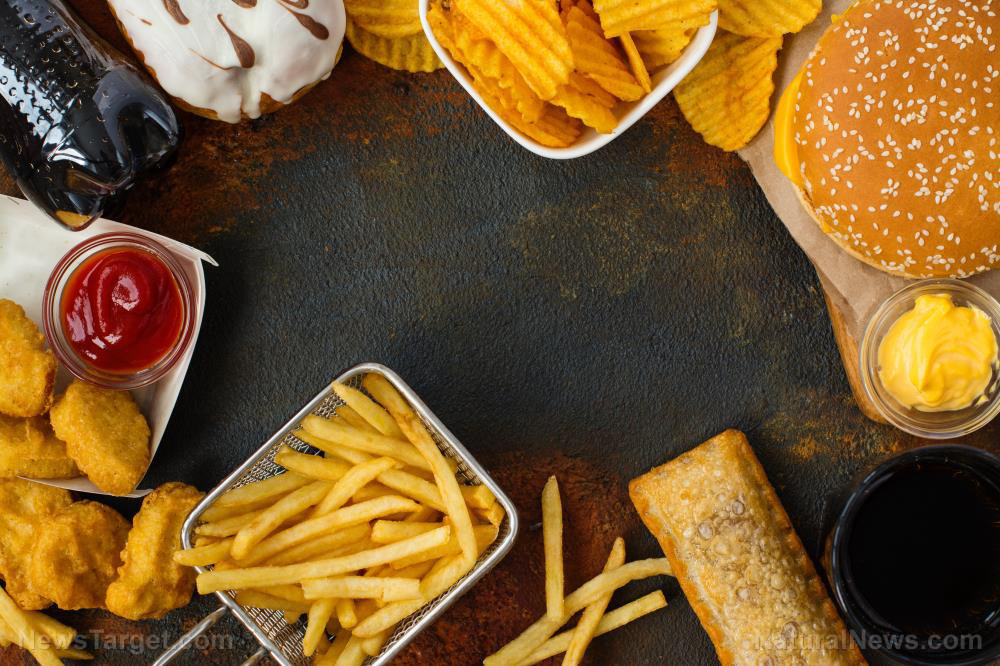
Crucially, families reported eating habits before any children were diagnosed with IBD, reducing the likelihood that the disease itself had already altered dietary patterns, a common limitation in earlier studies that relied on adults recalling meals after they were already sick. The most striking finding emerged from adolescent salty snack consumption. Teenagers who ate the most chips, cheese puffs, and similar products faced a 32% higher risk of developing IBD compared to those who ate the least. However, this result fell just short of the statistical threshold researchers use to rule out chance, making it what scientists describe as "a lead worth following rather than a firm finding." Before adjusting for family factors such as parents' education and whether a parent had IBD, the gap was 43% and clearly exceeded chance expectations further.
Where Ulcerative Meets Colitis
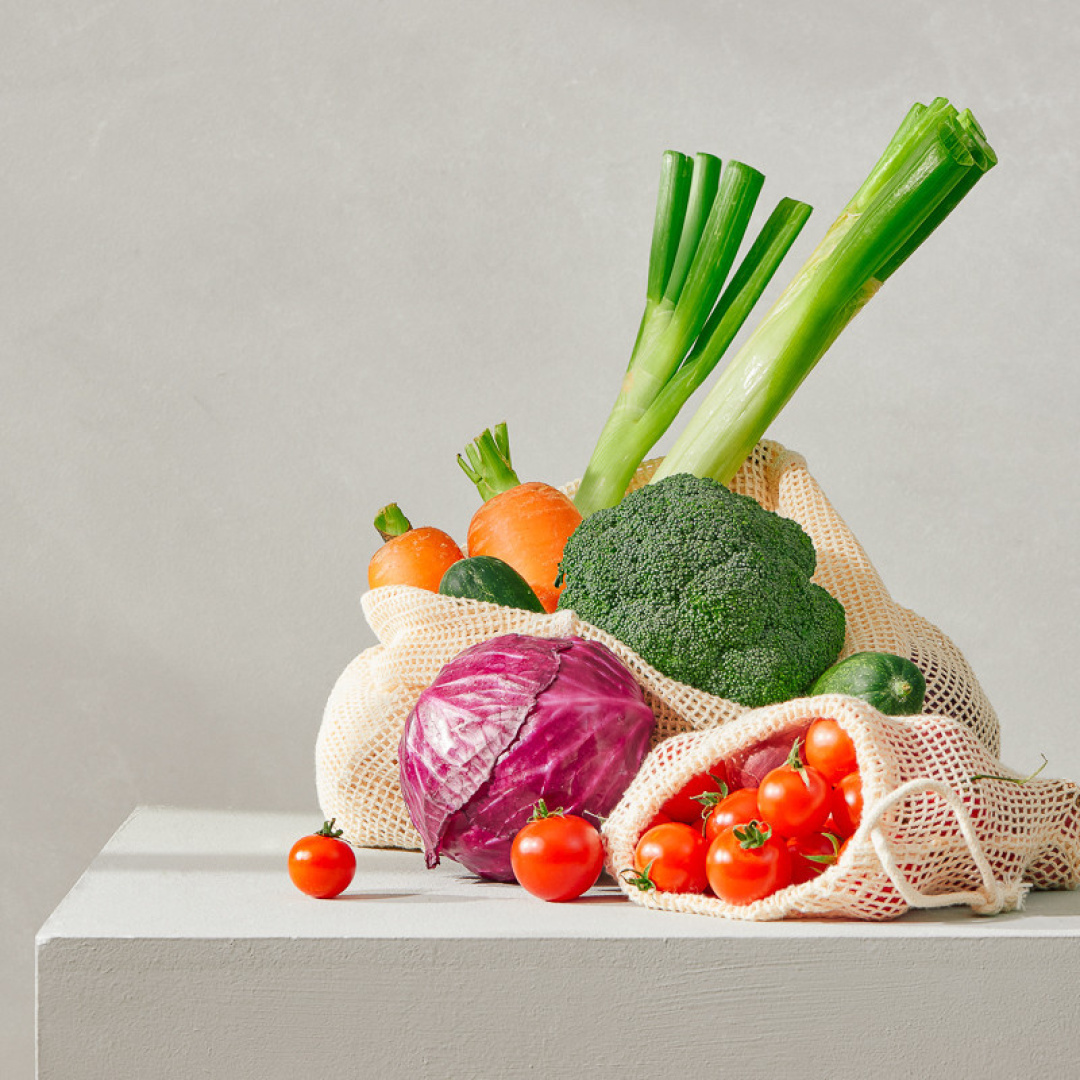
Ulcerative colitis showed a stronger pattern than Crohn's disease in relation to salty snacks, though that estimate also fell just short of statistical significance. Crohn's disease showed no link to snack consumption at all. Ulcerative colitis is an ulceration of the colon characterized by stool frequency, abdominal pain, and bloody diarrhea, with complications including perforation, fistula formation, and rectal bleeding. Fruit consumption produced more definitive results. Children who ate the most fruit had roughly one-third lower risk of developing Crohn's disease, and adolescents who ate the most fruit showed more than 40% lower risk. However, the pattern reversed for ulcerative colitis: high childhood fruit intake was tied to a 54% higher risk. The study authors described that finding as possibly due to chance, given the many comparisons being tested and the relatively small number of ulcerative colitis cases.
Fish consumption delivered a clear signal, but only in childhood. Kids who ate the most fish at ages seven to eight had a lower risk of Crohn's disease, while adolescent fish intake showed no such protective link. Fish was unconnected to ulcerative colitis at either age. Researchers found no clear connection between IBD risk and vegetables, dairy, meat, or sugar-sweetened drinks in either age group – results that run somewhat counter to earlier adult studies that have linked meat and saturated fat consumption to higher IBD risk.
Understanding the Complexities of Diet and IBD Risk
Several biological mechanisms could explain the statistical links, though none are proven. Fruit is rich in dietary fiber, which feeds gut bacteria and promotes the production of short-chain fatty acids – substances thought to calm intestinal inflammation. Fish contains omega-3 fatty acids that help regulate inflammatory processes, though the surveys could not distinguish between fatty fish like salmon and lean fish like cod. Salty snacks in the study were predominantly items high in saturated fat, such as potato chips. Earlier research has demonstrated that saturated fat can stimulate inflammatory immune activity in the intestines. The study could not determine whether saturated fat, salt, or other ingredients in these processed snacks might drive the observed link.
The authors of the Gut paper emphasized that "no causal conclusions can be drawn" from the observational data. Children who eat more salty snacks may differ in other ways – such as physical activity levels, overall diet quality, or other health behaviors – that the study could not fully account for. The analysis did adjust for family factors including parental education and whether a parent had IBD, but residual confounding remains possible. Inflammatory bowel disease has risen dramatically worldwide over the past half-century, particularly in countries adopting Western-style diets rich in processed foods and low in fiber. The United States now sees about 1 in 100 Americans affected by IBD, according to the Centers for Disease Control and Prevention. For those already living with Crohn's disease or ulcerative colitis, consuming fruits and vegetables presents a delicate balance between nutritional necessity and symptom aggravation. A June 2025 guide from dietitians advocated texture-modification strategies such as pureeing, cooking, selecting frozen or canned options, and peeling produce to help patients safely eat fruits and vegetables without triggering flare-ups. The new study is the first known to track food intake through both childhood and adolescence and then follow participants into young adulthood for IBD diagnoses, filling a gap in research that had previously relied heavily on adult populations or on people recalling what they ate after they were already sick. Earlier studies, including a meta-analysis of 19 studies on 2,609 IBD patients and 4,000 controls, found that adults with the highest intake of fruits and dietary fiber were least likely to develop Crohn's disease, while those with the highest intake of saturated fat, fatty acids, and meat faced the greatest risk.