Study Examines How Packaging Influences Consumer Choices for Plant-Rich Foods
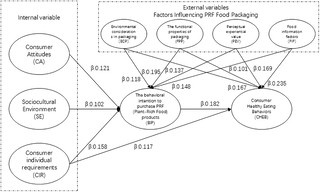
In a recent study published in PLoS One, researchers explored the influence of packaging attributes on consumer purchase intentions and healthy eating behaviors concerning Plant-Rich Foods (PRF). PRF includes a variety of foods such as vegetables, fruits, whole grains, legumes, nuts, and seeds, which are known for their health benefits and environmental sustainability. The study integrates the Theory of Planned Behavior (TPB), Information Processing Theory, and Sensory Marketing Theory to construct a comprehensive framework that elucidates how these factors interact to affect consumer decisions.
The researchers conducted empirical analysis using a structural equation model to examine seven core variables: consumer attitude, socio-cultural environment, individual requirements, packaging environmental considerations, perceived experiential value, food information factors, and packaging functional attributes. The findings revealed that all seven variables significantly influence purchase intentions, with packaging functional attributes having the strongest impact, followed by individual consumer needs and food information factors. Notably, the study found that the influence of external packaging attributes on purchase intention was greater than that of internal consumer variables.
The study highlights the dual logic of how these variables affect healthy eating behaviors, indicating that consumer individual requirements have a weaker direct influence on healthy eating compared to their impact on purchase intention. This suggests a chained pathway where individual needs lead to purchase intentions, which in turn influence healthy eating behaviors.
The research also underscores the importance of effective packaging design in enhancing consumer understanding and acceptance of PRF. Clear information regarding nutritional content and health benefits can bridge the gap in consumer knowledge, while sensory design elements such as appealing visuals and textures can evoke positive emotions, thus encouraging healthier choices.
As the global plant-based food market continues to grow, understanding the factors that drive consumer behavior towards PRF is crucial for businesses aiming to optimize their packaging and marketing strategies. This study not only contributes to the theoretical understanding of consumer behavior but also provides practical insights for food enterprises and policymakers looking to promote healthier dietary habits.