Cultural Engagement May Slow Physiological Aging, Study Finds
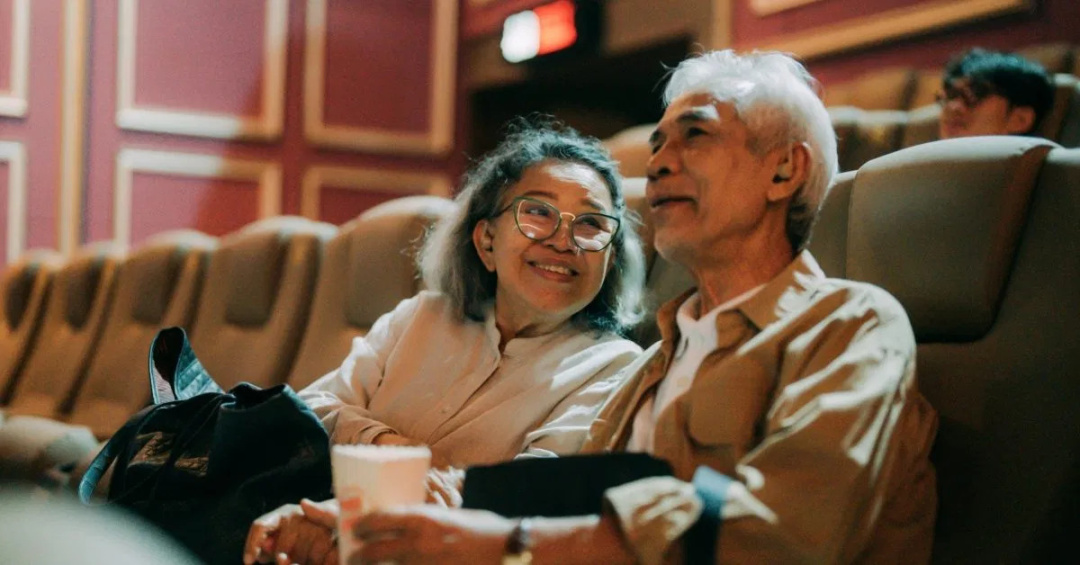
As individuals age, their bodies undergo physiological changes, a process known as physiological aging. This aging can occur at different rates depending on various health choices made throughout life. A recent study published in the Journal of Epidemiology and Community Health has revealed that engaging in cultural experiences—such as attending movies, theater performances, or visiting museums—may contribute to slowing down this physiological aging process.
The study analyzed health data from nearly 1,900 participants aged 50 and older who were part of the English Longitudinal Study of Ageing. Participants were asked about their frequency of cultural engagement through questionnaires, which inquired about their attendance at movies, museums, theater productions, concerts, and operas. Additionally, researchers measured ten physiological markers, including pulse pressure, diastolic blood pressure, low-density lipoprotein (LDL) cholesterol, body mass index (BMI), and walking speed.
Yusuke Matsuyama, PhD, DDS, the study's lead author and an associate professor at the Institute of Science Tokyo, noted that many factors influence physiological aging, and a variety of approaches are necessary to promote healthy aging. He highlighted that cultural engagement is associated with well-being and various health outcomes, and importantly, it is a modifiable behavior.
The findings indicated that participants with a high level of cultural engagement—defined as attending cultural events every few months—had a physiological age of approximately 66.9 years, which was lower than that of participants with less cultural involvement. Furthermore, researchers found that a one-point increase in cultural engagement score correlated with a reduction in physiological age by 0.085 years (about 31 days), even after adjusting for factors like income and chronic health conditions.
Matsuyama explained that their analytical approach accounted for inherent biases related to unchanging factors, such as genetic traits, providing more robust evidence of the association between cultural engagement and lower physiological age. He also noted that cultural engagement can manifest in various ways, including frequency and social context, suggesting that these aspects warrant further investigation.
Experts consulted by Medical News Today, including Anna Chodos, MD, MPH, and Kamal Wagle, MD, emphasized the intuitive nature of the study's results, linking active participation in cultural life with healthier aging. However, they also cautioned that the observational nature of the study means it cannot definitively establish causation. Chodos pointed out that while cultural engagement may be protective against cognitive decline, those who are healthier and more socially connected are likely to participate more in cultural activities.
Wagle suggested that future research should explore the causal relationships between cultural engagement and physiological aging through intervention studies, as well as the impact of different types of cultural activities on specific health markers. Dung Trinh, MD, also noted the encouraging implications of the findings, suggesting that accessible cultural activities could be beneficial for healthier aging. He advised readers to start small with cultural engagements they enjoy, emphasizing the importance of consistency over perfection.
While the study offers promising insights into the potential benefits of cultural engagement on aging, it is essential to recognize its limitations and the need for further research to validate these findings across diverse populations and settings.