Simple Strategies to Support Digestive Health

For those who indulge in junk, oily, and spicy foods, the digestive system may sometimes feel overwhelmed. While the liver, kidneys, and gut naturally handle waste removal, there are moments when a gentle reset is beneficial. Instead of resorting to extreme cleanses or harsh laxatives, consider simple daily habits that can support digestion and nourish gut microbes. Here are six effortless ways to cleanse the digestive system.
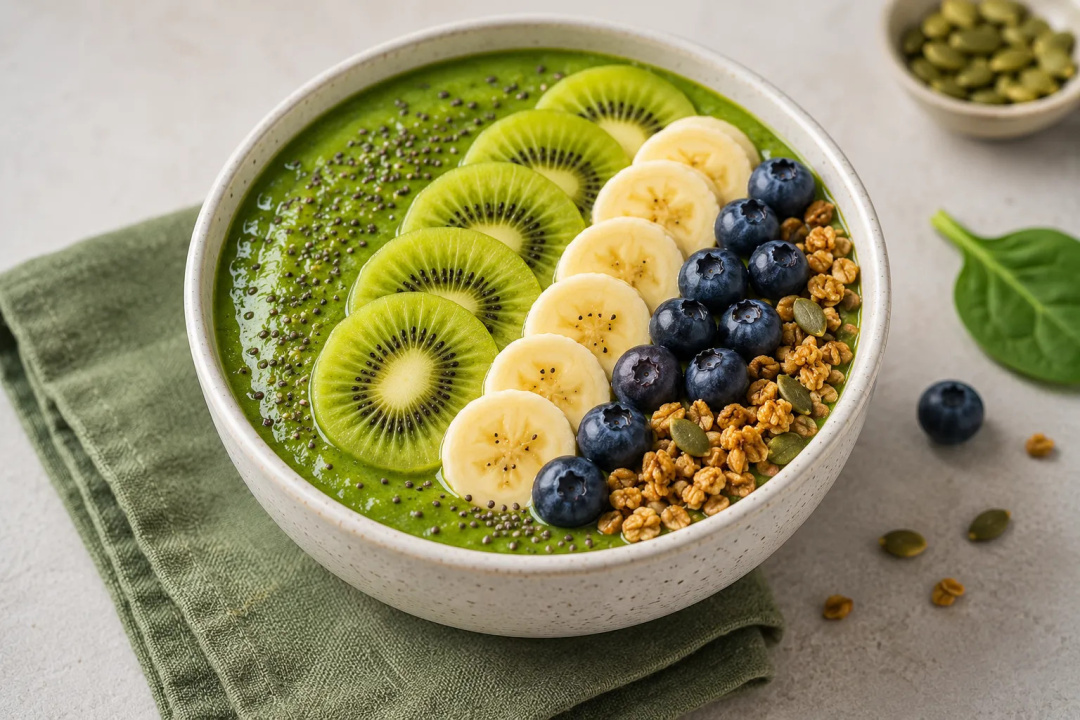
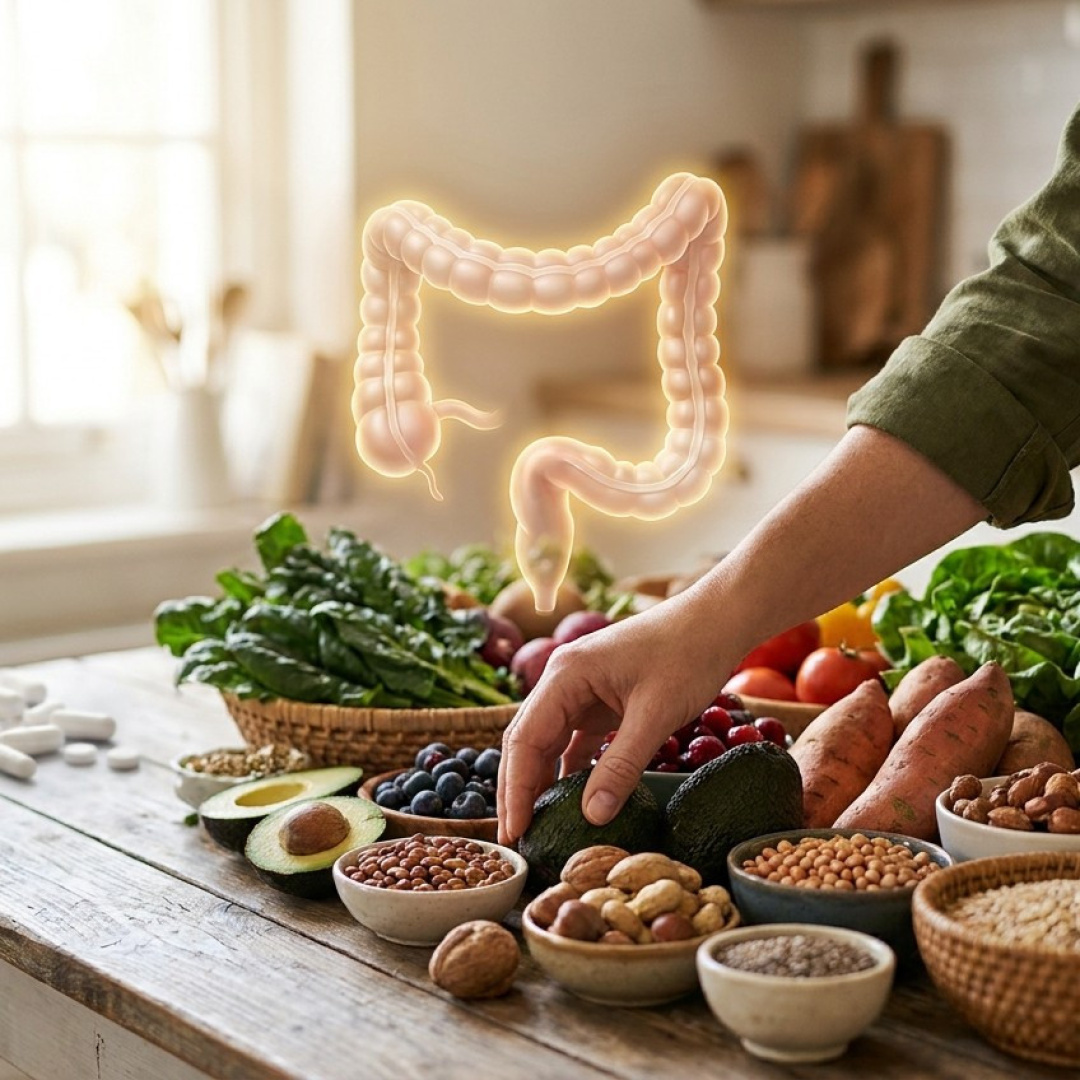
First, gradually increase your dietary fiber intake. Fiber plays a crucial role in adding bulk to stool and feeding beneficial bacteria in the large intestine. To avoid discomfort, build up your fiber intake slowly by incorporating vegetables, fruits, beans, nuts, seeds, and whole grains into your meals. Research indicates that dietary fiber can enhance bowel movement frequency in individuals experiencing constipation, although individual responses may vary.
Second, ensure you are drinking enough water throughout the day. Proper hydration keeps stool softer and easier to pass, especially as you increase your fiber intake. Regularly sipping water, along with consuming water-rich foods like cucumbers and melons, can support smooth movement through the digestive tract. Studies have shown that insufficient water intake can slow gut transit and reduce stool water content, highlighting the importance of hydration for digestive health.
Incorporating fermented foods into your meals is another effective strategy. Foods such as yogurt with live cultures, kefir, sauerkraut, kimchi, and other fermented vegetables introduce helpful microbes and fermentation byproducts to the gut. Regular small servings can help maintain microbial balance without the need for complicated routines. Human trials have noted positive changes in gut bacteria and the production of beneficial short-chain fatty acids from the intake of fermented vegetables.
Incorporating Movement and Mindfulness for Better Digestion
Gentle physical activity after meals can also aid digestion. Engaging in light movement, such as brisk walking, cycling, or stretching, stimulates natural muscle contractions in the digestive tract. Even a short walk post-meal can promote gut motility without straining the body. Research has shown that physical activity can lead to immediate increases in gut motility markers.
Mindful eating practices are essential as well. Chewing food thoroughly and taking time to eat slowly can enhance digestion. Proper chewing breaks food into smaller pieces and mixes it with saliva, initiating the digestive process. Eating at a relaxed pace allows fullness signals to register, reducing the likelihood of overeating.
Emphasizing Sleep and Stress Management for Digestive Wellness
Lastly, prioritize sleep and manage stress effectively. The gut and brain are closely connected, and issues like poor sleep or ongoing stress can manifest as digestive discomfort or irregular bowel habits. Maintaining a consistent sleep schedule and taking brief moments to unwind can create a calmer environment for your digestive system to function optimally. Research has linked disrupted sleep patterns to changes in gut microbes and stress responses.
By incorporating these small, repeatable habits into your daily routine, you can significantly improve your digestive health without the need for drastic measures. However, if you experience persistent stomach pain, blood in your stool, unexplained weight loss, or chronic constipation, it is important to consult a healthcare professional for personalized guidance.