Gaza's Children Face Stunting Crisis Amid War and Blockade
In Khan Younis, Gaza, seven-year-old Nabigha al-Zaqzouq often compares her height to that of her peers and asks her mother, Alia, if she will ever grow taller. At just 99 centimeters (3.2 feet) and weighing only 10 kilograms (22 pounds), Nabigha appears much younger than her age. The family's dining table reflects their struggles, filled mostly with bread and canned goods, while fresh fruits, vegetables, and meat are luxuries they cannot afford. Alia, determined to provide her daughter with a varied diet, is hindered by the high costs of food and medical care necessary for monitoring Nabigha's growth.
Similarly, five-year-old Tala Zidan, who stands at 94 centimeters (3 feet), has not grown in height over the past two years and has even lost weight. Her father, Tahrir Zidan, has been unable to secure adequate food for his family since losing his job due to the ongoing conflict. They now rely on community kitchens for meals, which often leave them still hungry. Tala and her brother Mohammed are both malnourished, and their father fears the long-term health implications of their inadequate diet.
The experiences of these children reflect a broader crisis affecting Gaza's youth. The ongoing war has severely disrupted food supplies and healthcare services, making it increasingly difficult for families to access the nutrition their children need. A recent UNICEF nutritional survey conducted in accessible areas of Gaza revealed that 12.2% of children under five are stunted, and only 22.4% of children aged six to 23 months receive a minimum acceptable diet.
Nutritionist Nada Abu al-Nada emphasizes that the crisis is not just about the quantity of food available, but also its quality and diversity. As purchasing power declines and food prices rise, families are forced to cut back on essential food groups, relying more on staples like bread and rice. Children require balanced diets rich in proteins and essential nutrients to support their growth and development. Without adequate nutrition, the body prioritizes essential functions over growth, leading to stunted growth and other health issues.
Before the war, the average food availability in Gaza was about 2,580 calories per person per day, but this has plummeted to approximately 1,000 calories, which is insufficient for healthy growth. The first 1,000 days from conception to a child's second birthday are critical for development, but older children are also at risk of long-term deprivation. Additionally, illnesses such as diarrhea and gastrointestinal issues can further impair nutrient absorption, exacerbating malnutrition.
At Nasser Hospital, endocrinologist Hani Sayed Zuhair has observed a significant increase in children seeking help for growth-related issues. The number of cases has surged from around 15 to 20 per clinic session before the war to between 30 and 40 now. Many children are presenting with stunted growth, which can be linked to periods of food scarcity and lack of essential vitamins and medicines.
Challenges in Diagnosing Growth Delays Amid Resource Shortages
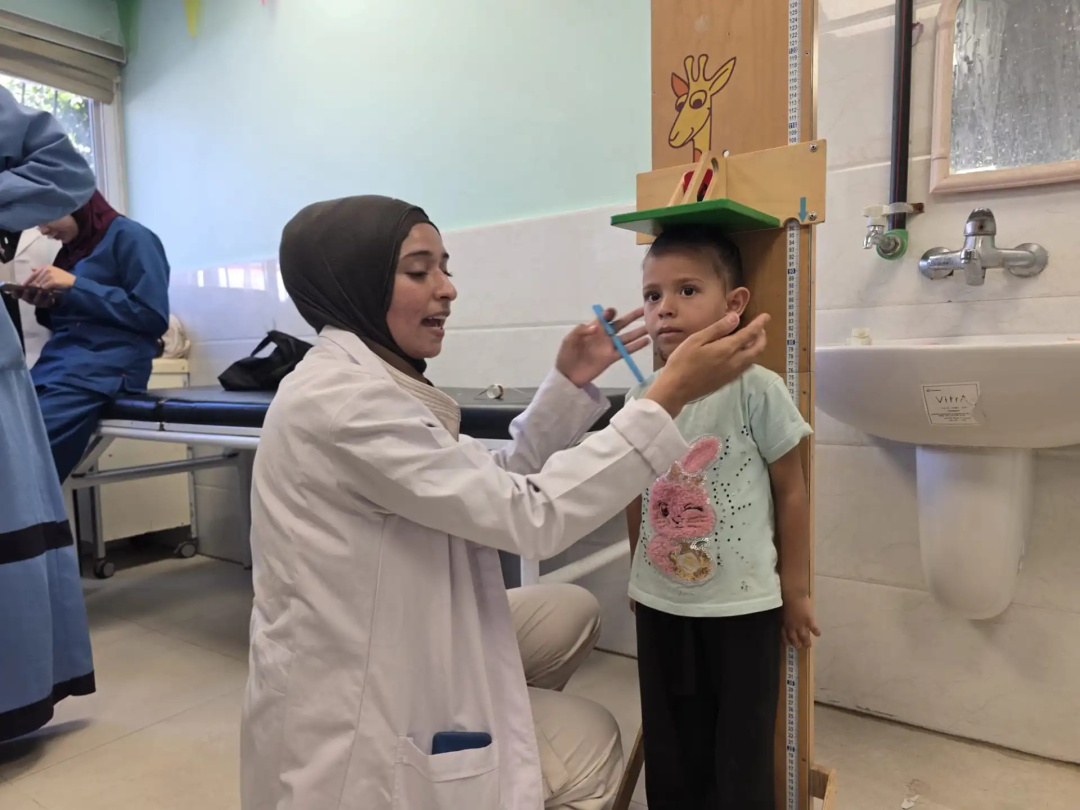
Zuhair notes that while malnutrition is a primary factor in growth disorders, hormonal deficiencies and chronic illnesses can also play a role. Diagnosing growth delays requires careful monitoring of children's height and weight against growth charts, along with necessary medical tests, which are becoming increasingly difficult to access due to shortages in healthcare resources.
Growth hormone stimulation tests are currently unavailable in public health laboratories, and private labs offer limited testing due to supply shortages. The cost of these tests can be prohibitive for families already struggling financially. Furthermore, growth hormone injections, which are crucial for some children, require strict storage conditions and regular medical follow-up, complicating treatment in the current environment.
Nutritionist Abu al-Nada suggests that some children may be able to catch up in their growth if their nutritional situation improves and interventions are implemented early enough. However, recovery is contingent on various factors, including age and the severity of previous deprivation. The longer children are deprived of essential nutrients, the harder it becomes to regain lost growth once their growth plates close.
The Broader Impact of Malnutrition on Children's Health
The implications of malnutrition extend beyond physical height; deficiencies in protein and micronutrients can lead to reduced muscle mass, anemia, weakened immunity, and impaired cognitive development. These issues are compounded by the psychological stress and health challenges associated with living in a conflict zone.
As Alia al-Zaqzouq struggles to provide answers to her daughter's questions about growth, Tahrir Zidan continues to face the daily challenge of ensuring his children receive enough food, let alone the balanced diet necessary for their development.