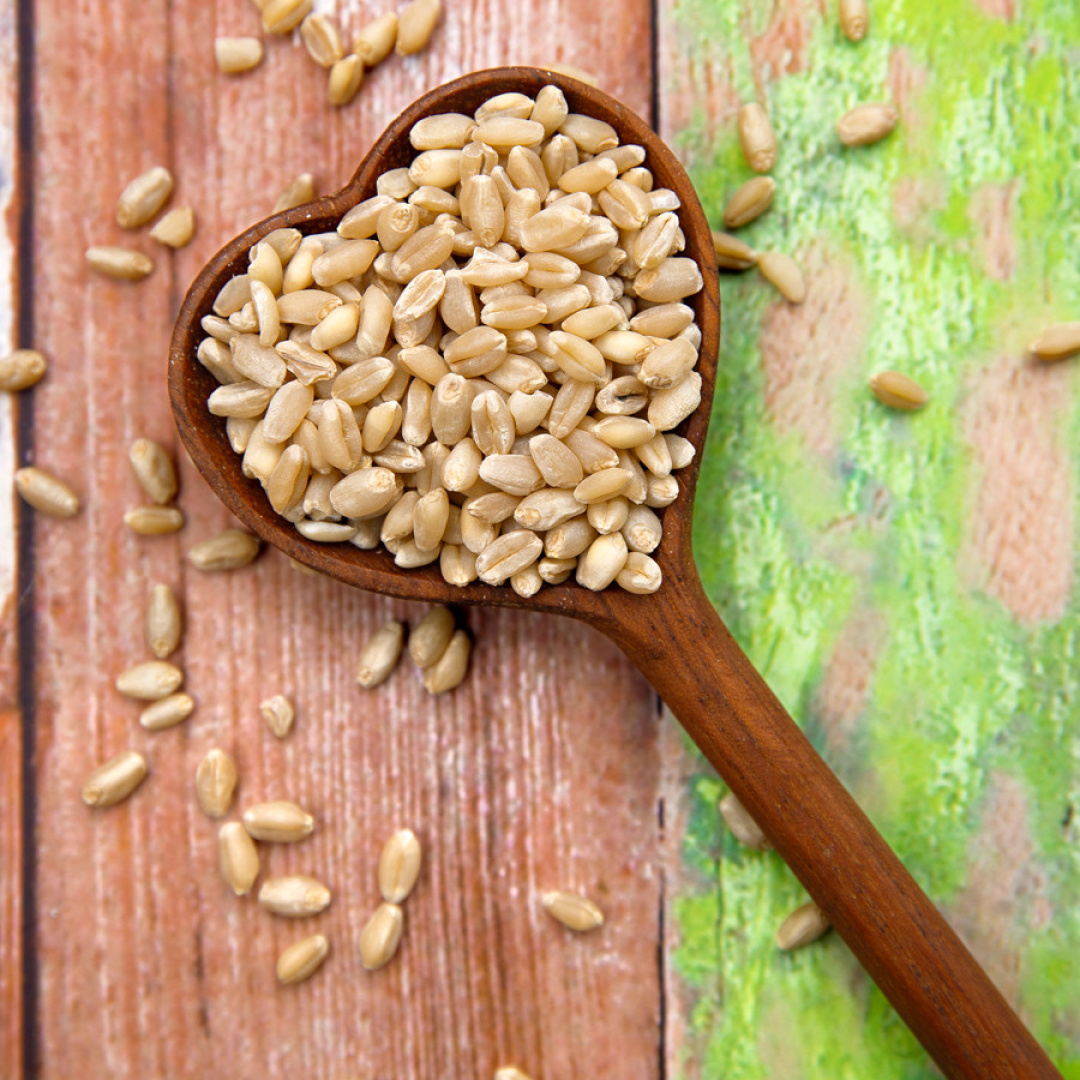
Study Finds Less-Processed Whole Grains Improve Blood Sugar Control
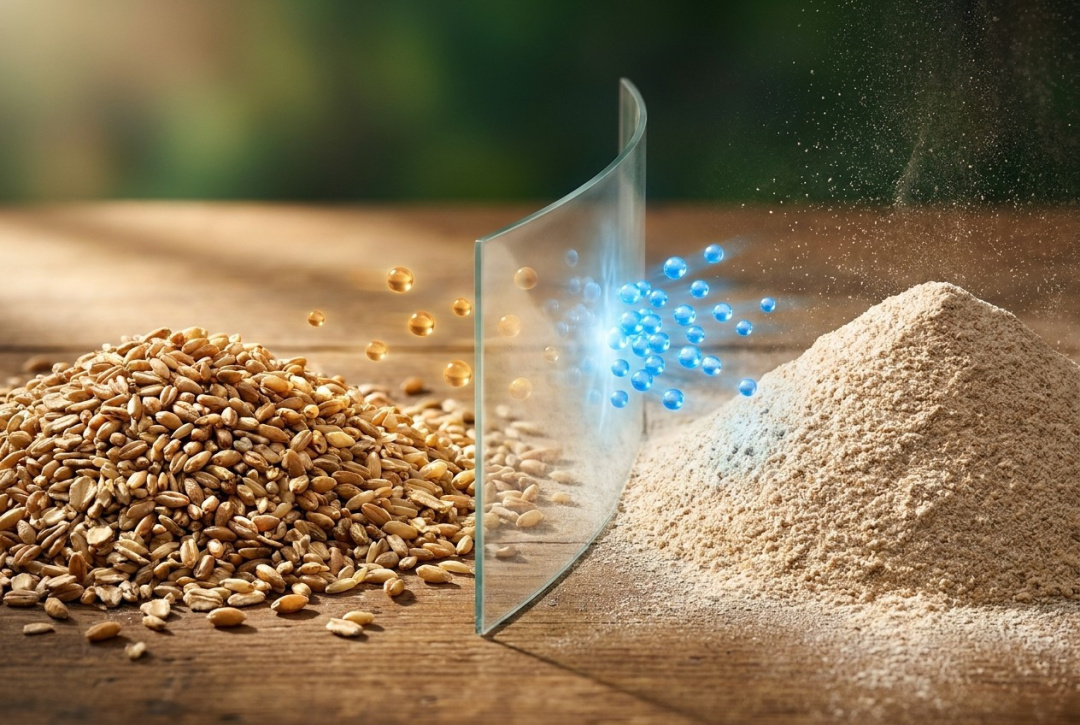
A study published in the American Journal of Clinical Nutrition has revealed that the way whole grains are processed can significantly affect blood sugar control in adults with Type 2 diabetes. Over a 12-week trial involving 160 participants, researchers found that those who consumed less-processed whole grains, which retained more of their original structure, had HbA1c levels roughly 0.2 percentage points lower than those who consumed milled whole grains. This difference was statistically significant and could not be attributed to variations in whole grain intake or body weight among the participants.
The trial divided participants into two groups. One group received whole grains that were less processed, while the other group was given grains that had been milled or broken down into smaller pieces. Both groups consumed similar amounts of whole grains and nutrients, and there was no significant difference in body weight. This design allowed researchers to focus on the impact of processing rather than the quantity of whole grains consumed.
After the 12-week period, the findings suggested that the intact structure of whole grains may slow the action of digestive enzymes, allowing glucose to enter the bloodstream more gradually. Conversely, finely milled grains can lead to a quicker rise in blood sugar due to easier digestion. However, the study did not directly test this mechanism, so it remains a proposed explanation rather than a confirmed finding.
Digestive Benefits Observed with Less-Processed Grains
In addition to improved blood sugar control, participants consuming less-processed grains reported better bowel habits, indicating potential digestive benefits. Researchers acknowledged limitations in the study, including its duration and the specific population studied, which may not represent all individuals with diabetes. They noted that findings from other studies on whole grain intake and glycemic control have been mixed, highlighting the need for further research.
Whole Grains: A Key to Better Blood Sugar Management
The study emphasizes that whole grains are still a valuable source of fiber and nutrients, and choosing less-processed options over refined grains is advisable. For those concerned about blood sugar levels, incorporating intact grains such as steel-cut oats, farro, barley, wheat berries, and brown rice may be beneficial. The researchers also pointed out that the label "whole grain" does not guarantee that a grain's structure is intact, as even whole grain flour is milled. Dietitians have echoed this sentiment, suggesting that the type of carbohydrate and its processing method are more important than simply categorizing a food as a whole grain.
Overall, the study adds to the growing body of evidence regarding the effects of food processing on health outcomes, particularly in the context of blood sugar management. While there is no need to eliminate whole wheat bread or oatmeal from the diet, incorporating more intact grains could be a simple strategy to support better blood sugar control. Further research is needed to confirm the mechanisms behind these findings and to explore their applicability to broader populations.