Greater Horn of Africa Faces Looming Polycrisis from Climate and Conflict
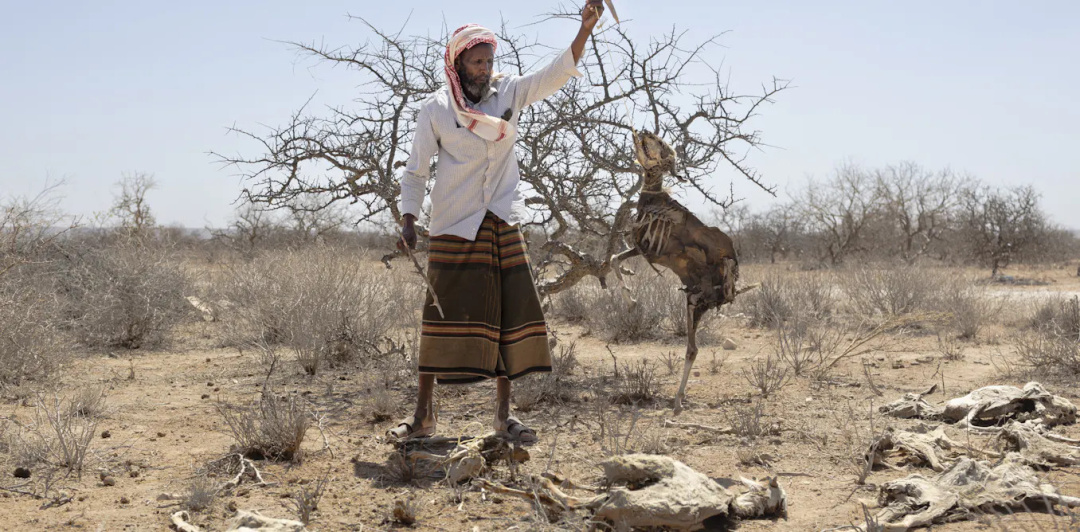
The Greater Horn of Africa is confronting a potential polycrisis, shaped by a combination of climate change, conflict, and economic pressures. As the effects of a strengthening El Niño loom, experts express concern over the region's vulnerability, particularly in the latter half of 2026 and into 2027. The short rains of fall 2025 were well below average, impacting crop production and livestock grazing in areas such as Somalia, eastern Kenya, and eastern Ethiopia. Similarly, the long rains expected from March to May 2026 are projected to be inadequate, further deepening the crisis for rural communities reliant on agriculture.
The forecast for the northern Horn of Africa, which typically experiences one rainy season, is also concerning, with expectations of below-average rainfall affecting densely populated regions like the highlands of Ethiopia and much of South Sudan and Sudan. The super El Niño developing could lead to both drought and flooding, displacing populations and jeopardizing livelihoods.
In addition to climate concerns, a new variant of the Ebola virus has emerged in Congo and Uganda, posing a significant health risk. Should it spread to South Sudan, it would complicate the already challenging humanitarian landscape, making responses to other crises more difficult.
Conflict exacerbates the situation, with most countries in the Greater Horn, except Kenya, embroiled in violent struggles. Analysts predict an increase in violence in Ethiopia and South Sudan, where conflict has historically been linked to famine. The ongoing war in Iran has further complicated matters by driving up transportation and food costs, while a fertilizer shortage resulting from the conflict threatens agricultural productivity and food prices in the region.
These challenges are compounded by cuts to humanitarian aid, which have weakened the international response infrastructure. The closure of USAID programs and reductions in funding from Western nations have left local communities to bear the brunt of these crises. Although there have been calls for increased funding, experts caution that financial support alone cannot resolve the underlying issues, as many humanitarian programs have been shuttered and local governance structures weakened.
In response, local mutual aid initiatives have gained traction, relying on community networks and diaspora support. These grassroots efforts could benefit from more flexible public policies and increased funding to enhance their effectiveness. However, the overarching threat remains the violent conflicts that complicate humanitarian responses and raise the specter of starvation being used as a weapon of war.
The combination of climatic, conflict-driven, and economic shocks creates a perfect storm, threatening not only food access but also health and safety in the region. Without immediate intervention, the anticipated polycrisis could lead to widespread mortality and displacement, emphasizing the urgent need for a coordinated response to these multifaceted challenges.