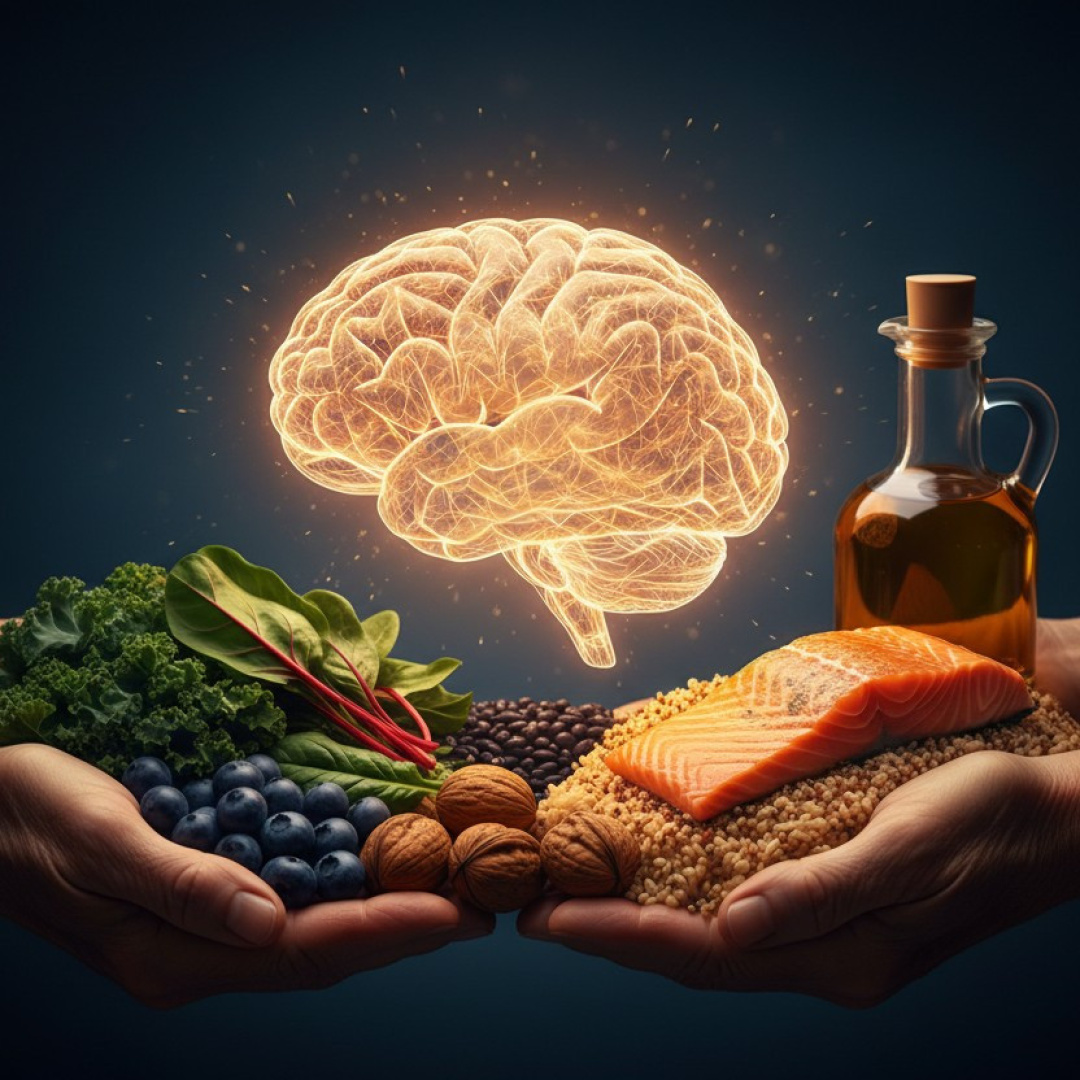
Higher Choline and Betaine Intake Linked to Slower Cognitive Decline in Older Adults
A recent study published in the American Journal of Clinical Nutrition has highlighted the potential cognitive benefits of higher dietary intake of choline and betaine in older adults with metabolic syndrome. The research followed 6,610 participants aged between 55 and 75 years. The findings suggest that individuals who consumed more choline exhibited less decline in attention and improvements in language scores. In contrast, those with higher betaine intake showed favorable changes in executive function and language skills.
Metabolic syndrome, characterized by a cluster of conditions that increase the risk of heart disease, stroke, and Type 2 diabetes, is also linked to cognitive decline. The observational nature of the study means that while associations were noted, the authors caution that causation cannot be established from their findings.
Participants completed a validated food frequency questionnaire to assess their choline and betaine intake, while cognitive function was measured using eight neuropsychological tests across five domains: attention, memory, executive function, processing speed, and language. These cognitive assessments were repeated two years later to evaluate changes over time. The authors emphasized that the observational design of the study can show associations but cannot definitively prove that the nutrients caused differences in cognitive performance.
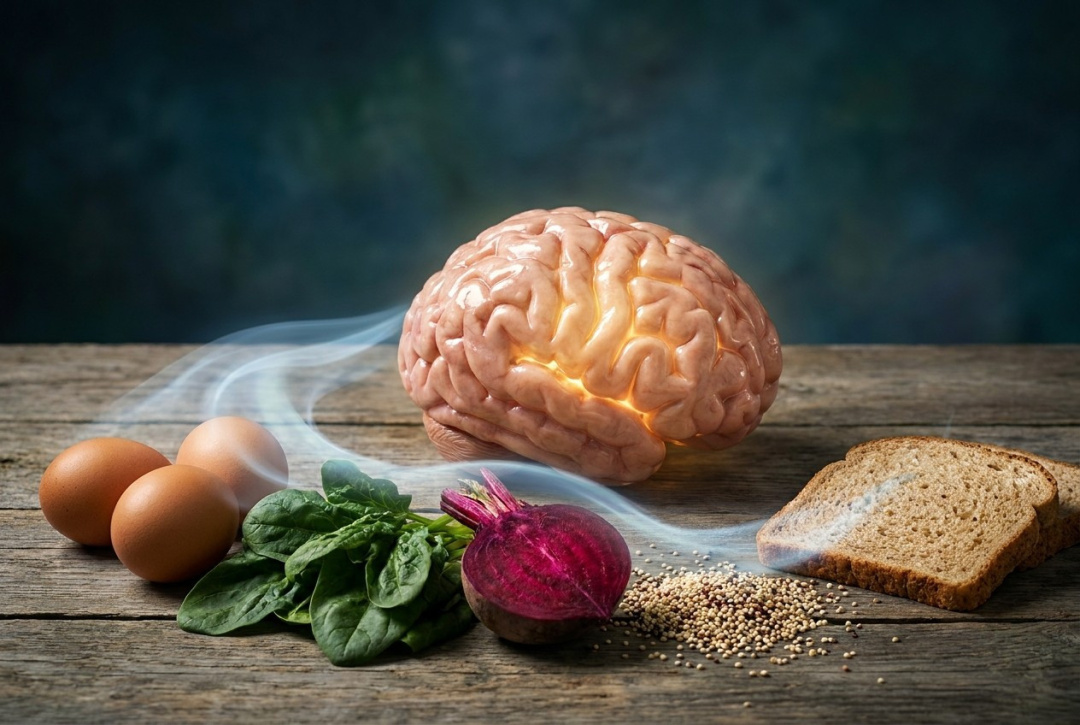
Choline is a compound that serves as a precursor for acetylcholine, a neurotransmitter crucial for memory and mental performance. The average choline intake among participants was about 422 milligrams per day, which is roughly equivalent to consuming three large eggs daily. This intake is just below the adequate intake levels set by the Institute of Medicine, which are 550 milligrams for men and 425 milligrams for women. The role of choline in brain health is well-documented in scientific literature, reinforcing its importance in cognitive function.
Understanding the Role of Betaine in Cognitive Health
Betaine, derived from choline, supports methylation, a biochemical process involved in DNA repair and neurotransmitter synthesis. Foods rich in betaine include beets, spinach, quinoa, and whole wheat bread. Interestingly, the average betaine intake in the study was around 114 milligrams per day, which is less than what is found in a single cup of cooked spinach or beets. This indicates that some individuals may find it challenging to obtain sufficient levels of these nutrients through diet alone.
Navigating the Complexities of Nutrition and Brain Aging
The findings contribute to a growing body of research on nutrition and brain aging. A review published in the journal Nutrients noted that dietary patterns associated with brain health change across different life stages, with animal-sourced foods being more prominent in early development and plant-based foods taking precedence in adulthood and older age. While observational studies have linked certain healthy dietary patterns to cognitive benefits, clinical trials of dietary interventions have shown either minimal or no significant effects on cognitive outcomes.
Experts have cautioned that studies of this nature primarily measure associations rather than causation. The National Institute on Aging has stated that no vitamin or supplement has been proven to prevent Alzheimer's disease, and the overall evidence remains weak due to many studies being too small or brief to draw conclusive results. As such, while the study's findings are promising, further research is necessary to fully understand the implications of choline and betaine intake on cognitive health.