Using Natural GLP-1 to Manage Holiday Overindulgence
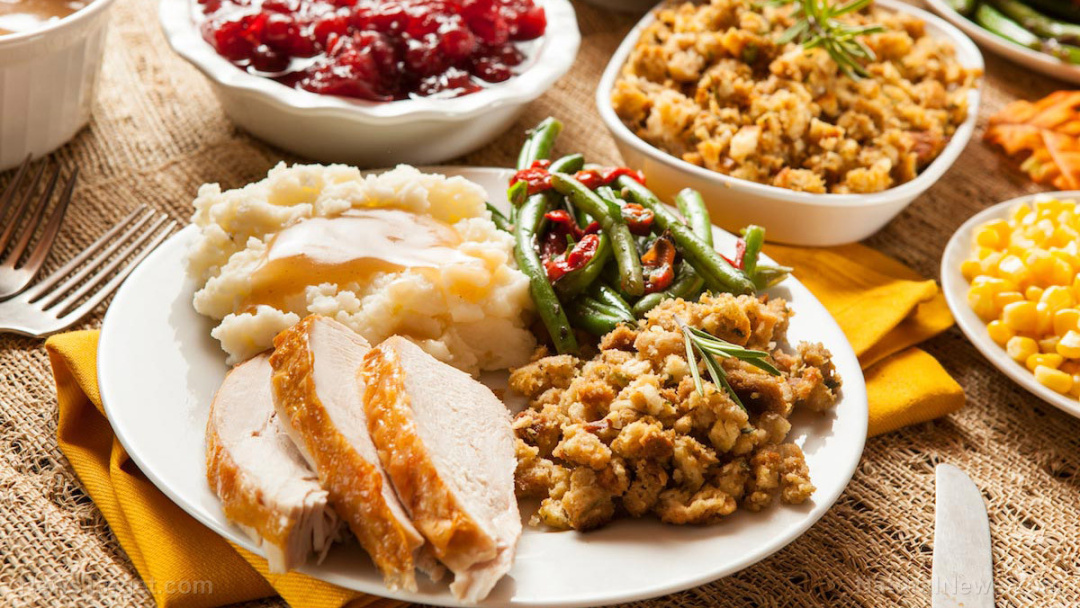
The holiday season can leave many feeling bloated and irritable, often due to dietary choices that lead to blood sugar fluctuations. However, your body produces a natural appetite-regulating hormone called GLP-1, which can help manage hunger effectively. The key lies in providing your body with the right fuel to support GLP-1's function. Research indicates that specific food choices, particularly those rich in fiber, can enhance GLP-1 release and help you enjoy holiday treats without the discomfort that often follows indulgence.
GLP-1 acts like a dimmer switch for hunger, signaling to your brain when you have had enough to eat. Unfortunately, GLP-1 levels drop quickly after meals, especially if those meals are low in fiber. This can lead to a rapid return of hunger. Fiber-rich foods are essential because they pass through the digestive system undigested until they reach the colon, where gut bacteria ferment them into molecules that stimulate further GLP-1 release. This process helps maintain a feeling of fullness between meals, rather than just during them.
One study highlighted the benefits of a specific fiber called Fibersol-2, which, when consumed with meals, increased levels of GLP-1 and PYY, another satiety hormone, leading to reduced hunger. Researchers at the University of Arizona are investigating which types of fiber most effectively trigger GLP-1 release. Preliminary findings suggest that beta-glucan, a fiber found in barley and oats, may be particularly effective for weight management.
Food manufacturers often use non-fermentable fibers in their products, which do not promote GLP-1 release. Therefore, opting for fibers like beta-glucan, pectin from apples and green bananas, and oligosaccharides from lentils and beans is recommended. One of the simplest and most cost-effective strategies is to consume vegetables before carbohydrates. Research from Weill Cornell Medicine showed that individuals with type 2 diabetes or prediabetes who ate vegetables and protein prior to carbohydrates experienced a significant reduction in post-meal blood sugar levels.
Incorporating Simple Dietary Changes for Better Blood Sugar Control
Practical applications of this research include starting meals with a salad dressed in olive oil or snacking on raw vegetables while preparing the main course. The goal is not to achieve perfection; even small changes, like eating a few bites of vegetables before diving into heavier dishes, can positively impact blood sugar levels.
Harnessing Natural GLP-1 for Healthier Holiday Eating
A 2021 clinical trial from Stanford School of Medicine compared a high-fiber diet to one rich in fermented foods. The results revealed that only those consuming fermented foods showed significant improvements in gut microbial diversity and reductions in inflammatory markers. This highlights how dietary changes can effectively remodel gut health.
You don't need expensive medications to navigate the holiday feasting season. Incorporating simple strategies, such as starting meals with fiber-rich foods, can help you enjoy your favorite dishes while keeping hunger and blood sugar in check. Your body naturally produces GLP-1; by feeding it the right nutrients, you can enhance its effectiveness and enjoy the festive season without the discomfort of overindulgence.