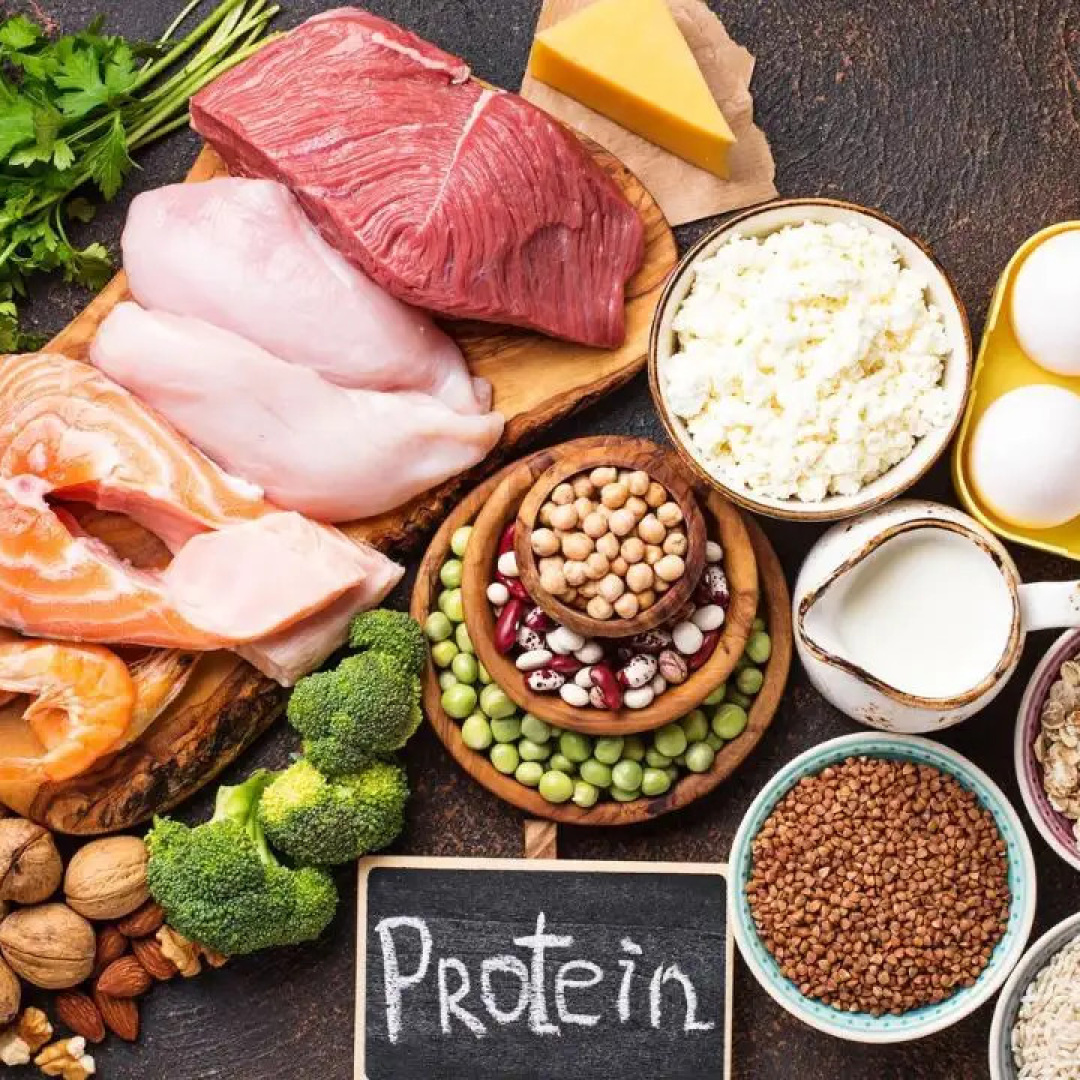
Understanding the Nutritional Benefits of White Meat

White meat, commonly associated with poultry such as chicken, is often regarded as a lighter alternative to red meat. This perception is largely due to its lower levels of myoglobin and heme iron, which contribute to its paler color compared to the deeper red of beef or lamb. In addition to its aesthetic differences, white meat generally contains less saturated fat and fewer calories per serving, making it a popular choice for those looking to maintain a balanced diet.
The structural differences between white and red meat are significant. White meat is derived from muscles that predominantly consist of fast-twitch fibers, which are designed for quick bursts of activity. In contrast, red meat contains a higher proportion of slow-twitch fibers, which are built for endurance. Both types of meat provide complete proteins, B vitamins, and essential minerals, but their impact on long-term health can vary based on the specific cuts chosen and the cooking methods employed.
Interestingly, even within a single bird, the color and texture of the meat can differ. For instance, the breast meat is lighter because it is used for rapid movements, while the leg and thigh muscles, which are used more frequently, contain higher levels of myoglobin, resulting in a darker color. This variation highlights how muscle usage influences the nutritional profile of poultry.
The health implications of consuming white meat versus red meat are also noteworthy. Red meat is associated with higher levels of heme iron and saturated fat, both of which have been linked to an increased risk of heart disease. In contrast, studies suggest that white meat poses a lower risk for cardiovascular issues when dietary patterns are considered. A country-level analysis indicated that white meat consumption showed minimal correlation with heart disease once other dietary factors were accounted for.
The Importance of Overall Dietary Quality
However, simply swapping red meat for white meat is not a guaranteed solution for improving heart health. While replacing fattier cuts of red meat with white meat can reduce saturated fat intake, it is essential to consider the overall quality of the diet, including cooking methods and accompanying side dishes. Research indicates that white meat consumption alone does not significantly lower the risk of cardiovascular disease or type 2 diabetes, emphasizing the importance of a holistic approach to diet.
Cooking Techniques for Optimal Flavor
Moreover, poultry meat naturally contains beneficial compounds such as carnosine and anserine, which act as antioxidants in muscle tissue. The diet of the birds can influence the levels of these compounds in the meat, highlighting the role of animal nutrition in the overall quality of poultry products. Additionally, cooking techniques play a crucial role in preserving the moisture and tenderness of white meat. Overcooking can lead to dryness, while using lower, controlled heat can help maintain its juiciness and enhance the eating experience.
To ensure that white meat remains juicy and flavorful, it is important to adopt proper cooking methods. Research shows that higher temperatures and prolonged cooking times can cause moisture loss in chicken meat. Therefore, employing gentler cooking techniques can help retain the meat's natural moisture and improve its texture. By understanding these cooking principles, consumers can enjoy the nutritional benefits of white meat while enhancing their culinary experience.