Dietary Diversity Linked to Cognitive Health in Older Chinese Adults
A recent study published in PLOS One investigates the relationship between dietary diversity and cognitive impairment among older adults in China. Conducted using data from the Chinese Longitudinal Healthy Longevity Survey (CLHLS) collected over a decade from 2008 to 2018, the research involved 2,455 participants aged 65 and older. The study aimed to identify long-term patterns of dietary diversity and their potential impact on cognitive health.
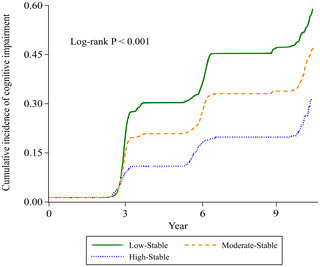
The researchers employed group-based trajectory modeling (GBTM) to categorize participants into three distinct dietary diversity trajectory groups: "Low-Stable," "Moderate-Stable," and "High-Stable." The Low-Stable group, comprising 42.1% of participants, exhibited consistently low levels of dietary diversity. In contrast, the Moderate-Stable group (49.1%) maintained a moderate level of dietary diversity, while the High-Stable group (8.8%) showed consistently high dietary diversity.
The findings revealed that participants in the Moderate-Stable group had a 21% lower risk of cognitive impairment compared to those in the Low-Stable group, while the High-Stable group experienced a 46% reduction in risk. These results were consistent across sensitivity analyses, reinforcing the association between higher dietary diversity and better cognitive outcomes.
Exploring the Role of Dietary Variety in Cognitive Health
The study underscores the significance of dietary variety as a modifiable factor in promoting cognitive health among older adults. Cognitive impairment, which can progress to dementia, poses a growing public health challenge, particularly in aging populations like China, where the prevalence of cognitive disorders is on the rise. The study's authors emphasize that dietary diversity reflects overall diet quality and can be a crucial component in strategies aimed at delaying cognitive decline.
Promoting Dietary Diversity for Better Cognitive Outcomes
The research utilized a comprehensive approach, analyzing multiple waves of dietary assessments, which allowed for a more nuanced understanding of long-term dietary patterns. The Dietary Diversity Score (DDS) was calculated based on the frequency of consumption of various food groups, including fruits, vegetables, meats, and dairy products. This scoring system highlights the importance of not just what individuals eat, but the variety in their diets.
The implications of this study are significant, suggesting that promoting dietary diversity could be an effective public health strategy to mitigate the risks associated with cognitive decline in older adults. As the global population ages, understanding the dietary factors that influence cognitive health becomes increasingly vital. Future research should continue to explore the mechanisms behind these associations and how dietary interventions can be effectively implemented in community settings to improve health outcomes for aging populations.